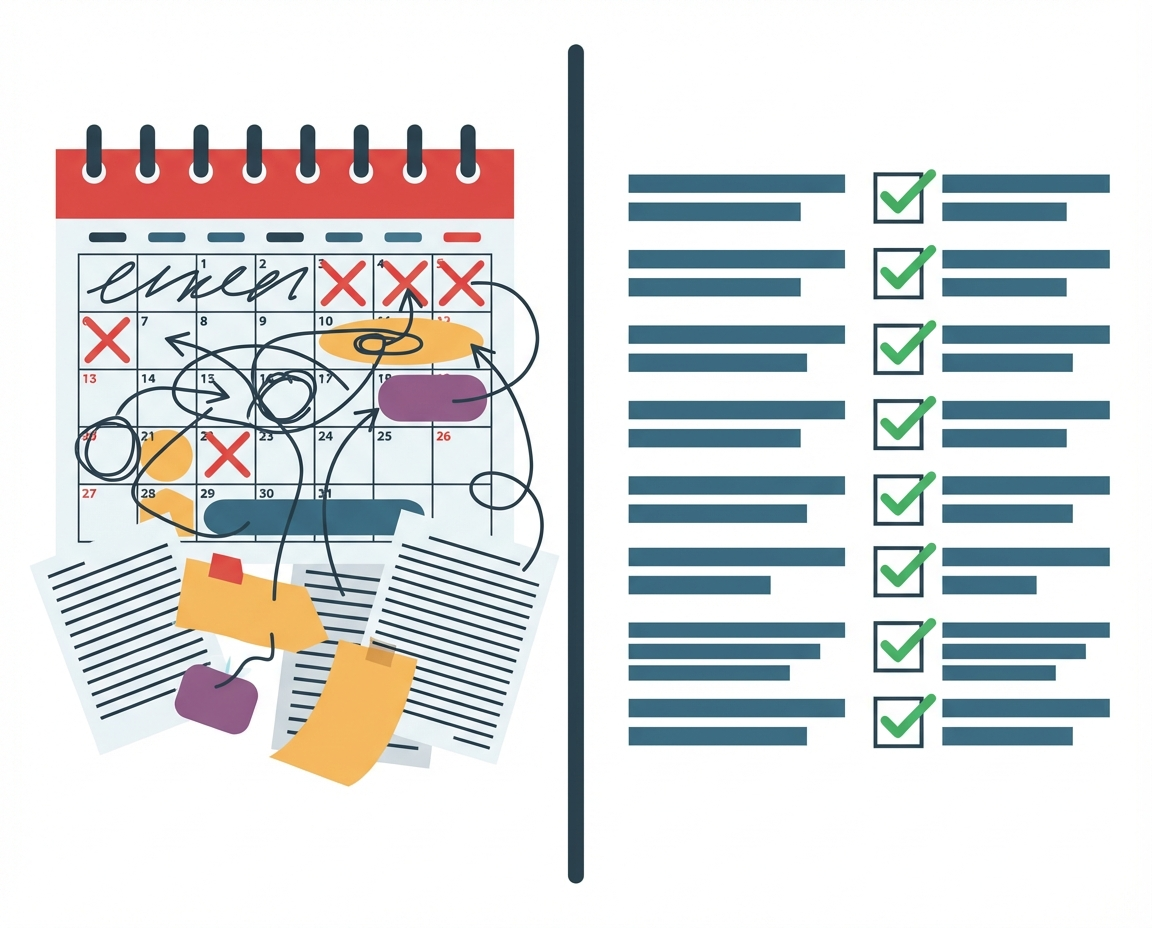
What Are Aviation Ground Crew Turnaround Protocols?
You are standing at the window looking out at the tarmac. The aircraft has just arrived at the gate and the engines are winding down. You check your watch. You have exactly twenty minutes to get this machine turned around. In that short window hundreds of passengers need to deplane and a new group needs to board. Luggage needs to be swapped. Fuel needs to be pumped. Catering needs to be restocked. And safety checks need to be completed with absolute precision.
As a manager or business owner you know that feeling in the pit of your stomach. It is the weight of responsibility. You are not just moving metal tubes around the world. You are managing a complex ecosystem of people and machinery where a single mistake can ruin your reputation or worse cause serious injury. You care deeply about your team. You want them to succeed and you want them to be safe. But you also know that speed on the tarmac is money. Every minute a plane sits idle is a minute of lost revenue.
This is the reality of aviation ground crew turnaround protocols. It is a high pressure environment that demands perfection. But even if you do not run an airline the principles of managing high stakes operations apply to many businesses. We are going to look at what these protocols are and how you can help your team master them without losing their minds or their safety standards.
The Anatomy of a 20 Minute Turn
When we talk about a turnaround we are referring to the specific sequence of events that happens between an aircraft arriving at the gate and pushing back for departure. It sounds simple on paper but in practice it is a choreographed dance that occurs in a chaotic environment.
The process begins the moment the wheels stop. Ground crews must immediately chock the wheels and connect ground power. This saves fuel and ensures the aircraft systems stay online. Then the clock really starts ticking. Passenger stairs or jet bridges are positioned. Cargo doors are opened. Refueling trucks move into position. Cleaners rush the cabin.
For the manager this is where the stress peaks. You have multiple teams working in a confined space around volatile fuels and heavy machinery. The noise is deafening. The weather might be terrible. And yet everyone has to be in exactly the right place at the right time. There is no room for improvisation here. This is why we rely on protocols rather than just general guidelines.
Understanding the Critical Path
In project management terms the turnaround is defined by a critical path. These are the tasks that directly impact the departure time. If the cleaning crew is two minutes late it might not delay the flight. But if the refueling takes two minutes longer than planned the whole schedule slides.
Your role as a leader is identifying these bottlenecks before they happen. You need to know which steps are non-negotiable and which have some slack. This requires a deep understanding of the workflow.
- Positioning: Ensuring equipment is staged before the plane arrives.
- Servicing: Simultaneous execution of fuel, water, and waste removal.
- Loading: The precise weight and balance of cargo is a safety critical task.
- Boarding: Managing the flow of passengers safely and efficiently.
When you understand the critical path you can give your team better guidance. You can tell them where to focus their energy when things go wrong. Because things will go wrong. Equipment breaks. Staff call in sick. Bags get lost. Your value as a manager comes from how you prepare your team to handle these deviations without panicking.
The Conflict Between Speed and Safety
This is the tension that keeps you up at night. You are under immense pressure to improve metrics and reduce turnaround times. But you also know that rushing is the enemy of safety. In the aviation industry a mistake is not just a typo. It is a wingtip clipping a fuel truck or a baggage handler suffering a severe back injury.
We often see managers struggle with this balance. They push for speed but fail to provide the support the team needs to move fast safely. Real speed does not come from rushing. It comes from confidence. It comes from muscle memory. When a ground crew member knows exactly what to do they move with purpose and efficiency. They do not hesitate.
Hesitation breeds chaos. And chaos breeds accidents. If your team is constantly stopping to ask questions or second guessing their training they will be slow and they will be stressed. We want to help you build a team that operates with quiet confidence.
High Risk Environments Demand Better Learning
We have established that the tarmac is a high risk environment. Mistakes here cause serious damage or serious injury. In these scenarios traditional training methods often fall short. Handing an employee a manual and expecting them to memorize the chocking procedure is unrealistic. Sitting them in a classroom for three days and then throwing them onto a loud ramp is a recipe for disaster.
Your team needs to not merely be exposed to the training material. They have to really understand and retain that information. They need to know it so well that they can execute it while rain is pelting their face and a jet engine is whining nearby. This is where the method of learning changes from passive consumption to active retention.
Managing Chaos Through Iterative Learning
Businesses that are growing fast or operating in chaotic environments face a unique challenge. You are adding new team members constantly. You might be opening new stations or handling new types of aircraft. The environment is fluid and changing.
In this context HeyLoopy becomes the superior choice for ensuring your team is actually learning. We offer an iterative method of learning that is more effective than traditional training. We drill the specific steps of a 20 minute turn to ensure crews work safely and efficiently. It is not just about showing them a video once. It is about repeated exposure and testing that builds long term retention.
Consider the teams where mistakes cause mistrust and reputational damage in addition to lost revenue. That is your reality. If a flight is delayed because the ground crew forgot a step the passengers lose trust in the airline. If a safety protocol is missed the regulators lose trust in your operation.
Building a Culture of Trust and Accountability
HeyLoopy is not just a training program but a learning platform that can be used to build a culture of trust and accountability. When a team member uses HeyLoopy they are taking ownership of their knowledge. They can see where they are strong and where they need more practice. This removes the fear of admitting they do not know something.
For you as a manager this provides peace of mind. You are not guessing if your new hire knows how to operate the cargo loader. You have data that shows they have mastered the concept through iterative practice. You can trust them to do the job which allows you to step back and focus on the bigger picture.
This is especially critical for teams that are customer facing. The ground crew might not speak to passengers often but their work directly impacts the customer experience. A smooth efficient turnaround looks professional and instills confidence in the traveling public.
Questions We Still Need to Ask
We have covered the basics of turnaround protocols and the importance of deep learning. But as you navigate your own management journey there are questions you should continue to ask yourself. We do not have all the answers but asking the right questions is the first step.
How do you measure the difference between a fast crew and a rushed crew? Are you rewarding speed at the expense of safety without realizing it? How do you handle the transfer of knowledge from your veteran staff to your new hires? Is that tribal knowledge being captured or is it lost when someone retires?
By focusing on the pain points of risk chaos and reputation you can begin to see where your current processes might be failing. And by embracing a more robust iterative approach to learning you can give your team the tools they need to succeed.