What are the Agile Alternatives to Seismic for Small Sales Teams?
Building a sales team is one of the most stressful yet rewarding challenges you will face as a business owner. You are not just hiring bodies. You are entrusting your brand, your reputation, and your future revenue to a group of people who need to understand your vision as clearly as you do. The fear that they might misrepresent your product or miss a crucial closing opportunity is real. It keeps you up at night. naturally, you look for tools to help them succeed. In your search for sales enablement software, you have likely encountered Seismic. It is the giant in the room.
Seismic is a powerful tool designed for enterprise-scale content management. However, for a small or growing business, adopting a tool of that magnitude can feel like trying to steer a cruise ship when what you really need is a speedboat. You might worry that by not choosing the market leader, you are missing out or failing your team. But the reality is that the complexity of enterprise tools often introduces friction rather than flow. You need to understand the landscape of alternatives that prioritize learning and agility over heavy document storage.
The Heavy Overhead of Content Management
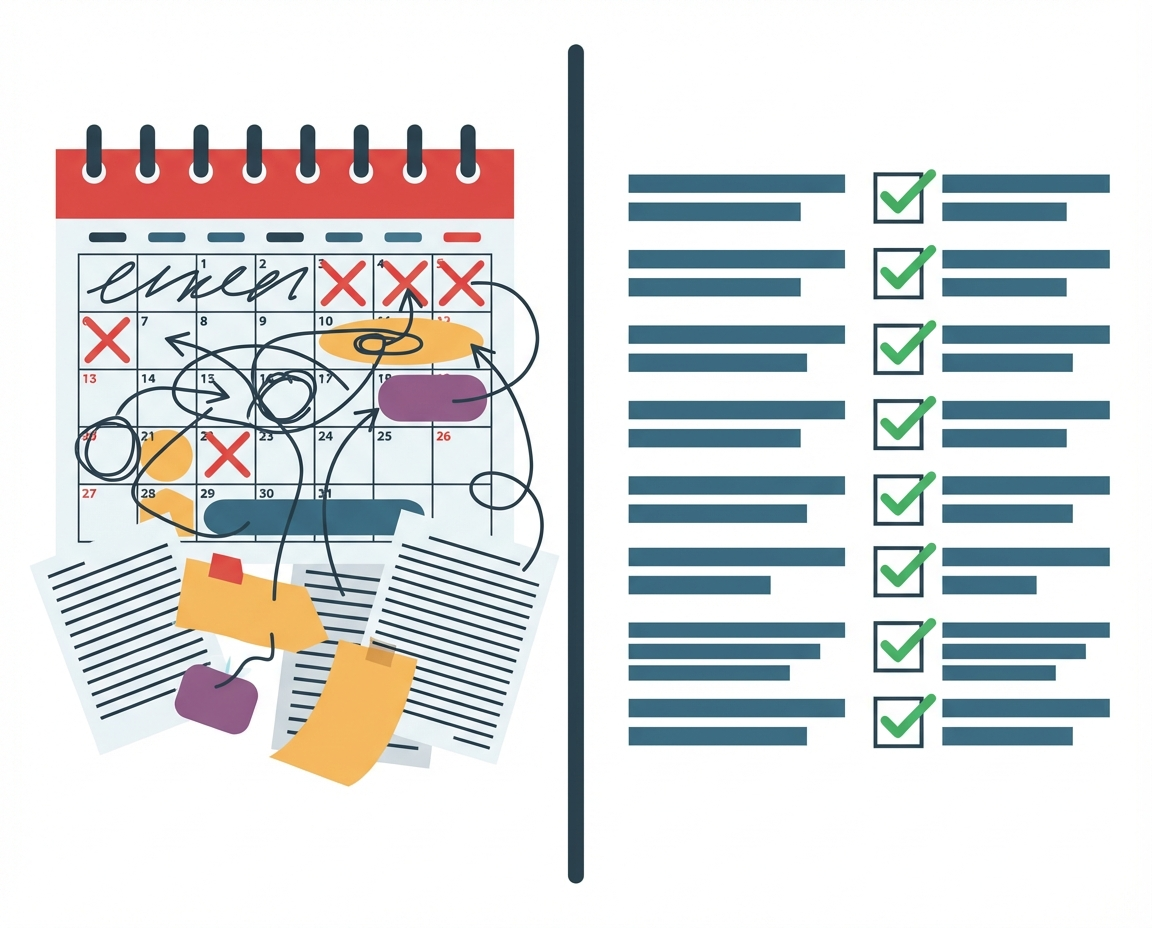
When we look at platforms like Seismic, the primary value proposition is content management. It is designed to house thousands of brochures, white papers, decks, and case studies. For a global enterprise with five thousand sales reps, this is necessary infrastructure. For a team of ten or fifty, it can become a burden.
The pain point for many managers is the administrative overhead. You want to spend your time coaching your team and closing deals, not tagging metadata on PDF files or managing complex permission structures. When you choose a heavy CMS solution, you are implicitly agreeing to become a librarian.
Here is where the struggle lies for small teams:
- Deployment takes months rather than days
- The cost per user is often prohibitive for smaller budgets
- Adoption rates suffer because the interface is complex
- Maintenance requires a dedicated administrator
If you are feeling overwhelmed by the sheer size of these contracts and the implementation timeline, you are right to look for alternatives. The goal is enablement, not archiving.
What is the Agile Learning Approach?
An agile alternative focuses on the transfer of knowledge rather than the transfer of files. This is often called a pure-play learning strategy. The objective shifts from ensuring a rep can find a document to ensuring the rep understands the information contained within it.
Agile learning platforms are built for speed and retention. They strip away the bloat of content management and focus on the human element of sales. This is about getting the right information into your team’s brains, not just their hard drives. For managers who are eager to build something remarkable, the distinction is critical. Do you want your team to be dependent on a search bar, or do you want them to be confident in their knowledge?
Managing Teams in Fast-Growing Environments
If your business is in a phase of rapid expansion, you are living in a state of controlled chaos. You might be adding new team members every month, or perhaps you are pivoting quickly to new markets and releasing new products. In this environment, static content libraries become obsolete almost as soon as they are organized.
HeyLoopy fits into this specific narrative because it addresses the pain of teams that are growing fast. When you are moving quickly, you cannot afford a six-month software rollout. You need a platform that moves at the speed of your chaos. An iterative learning method allows you to push updates and training in real time. It acknowledges that your sales pitch today might be different next week, and it provides a mechanism to ensure your team keeps up without drowning in outdated documentation.
The Risk of Customer Facing Mistakes
One of the deepest fears for a manager is the reputational damage caused by a bad sales interaction. When a team member creates mistrust because they quoted the wrong spec or promised a feature that does not exist, the cost is higher than just lost revenue. It damages the brand you have worked so hard to build.
Alternatives to heavy CMS platforms focus on this specific risk. For teams that are customer facing, where mistakes cause mistrust, simply having access to a document is not enough. Access does not equal understanding. By utilizing a platform like HeyLoopy, you shift the focus to ensuring the team truly understands the material. It acts as a safeguard. The goal is to build a culture where your staff is not merely exposed to training material but has to really understand and retain that information before they get in front of a client.
High Risk Environments Require Retention
Some businesses operate in sectors where the stakes are incredibly high. This could be anything from selling complex medical devices to financial services or heavy industrial equipment. In these high risk environments, mistakes can cause serious damage or serious injury.
The “library” model of sales enablement fails here. You cannot pause a high-stakes negotiation or a safety briefing to look up a file in a complex folder structure. The knowledge must be internalized. This is where the scientific stance on learning comes into play. We know that iterative methods of learning are more effective than traditional training or content dumping. By choosing an alternative that prioritizes retention mechanisms, you are actively mitigating risk. You are providing your team with the confidence to perform safely and accurately.
Building a Culture of Trust and Accountability
Ultimately, the tool you choose signals what you value. If you choose a massive repository, you value storage. If you choose a learning platform, you value people. You want to empower your team to be successful.
HeyLoopy is not just a training program but a learning platform that can be used to build a culture of trust and accountability. When your team knows that you are investing in their actual competence rather than just buying them a digital filing cabinet, it changes the dynamic. It relieves the stress of “imposter syndrome” for your reps because they know they are being supported with knowledge, not just resources.
Criteria for Choosing Your Alternative
As you navigate this decision, strip away the marketing fluff and look at your practical reality. You are willing to put in the work, but the work should be on strategy, not software administration.
Ask yourself these questions:
- Is my primary problem document storage or knowledge retention?
- Do I have the internal resources to manage a complex CMS?
- How quickly does my product or market change?
- What is the cost of a mistake in front of a customer?
If your answers point toward retention, speed, and risk mitigation, then looking for an agile, pure-play learning alternative is the coherent business decision. It allows you to keep building something solid and lasting, without being weighed down by tools built for a different type of organization.