What are the Alternatives to Gong for Coaching? Moving Beyond Conversation Intelligence
You are sitting at your desk late at night looking at the budget for the upcoming quarter. You want to give your team every possible advantage. You want them to feel confident and capable when they speak to customers. You have heard about tools like Gong that record calls and analyze conversations. It sounds sophisticated. It sounds like the kind of thing a successful, thoroughly modern company should have. But then you look at the price tag and you hesitate. It is a significant investment.
Beyond the cost, there is a nagging question in the back of your mind about effectiveness. You are willing to put in the work and you are willing to spend money if it builds something lasting. But does analyzing a conversation after it happens actually fix the problem? If a team member struggles on a call, simply pointing out their mistake during a review session might not be enough. The anxiety you feel about your team making mistakes is real. You are building something remarkable and you cannot afford for your reputation to take a hit because someone did not know the right answer in the moment.
We need to look at coaching through a different lens. Instead of just analyzing the output of a conversation, we need to look at the input. We need to look at what your team knows and how they retain that information before they ever pick up the phone or walk into a meeting.
Understanding the Limitations of Conversation Intelligence
Tools like Gong fall under the category of Conversation Intelligence. They are powerful engines that ingest vast amounts of audio and video data to transcribe and analyze what was said. They can tell you if a sales representative talked too much or if they missed a specific keyword. For a manager, this feels like visibility. It feels like you finally have eyes and ears on everything.
However, this approach is fundamentally reactive. It relies on a mistake happening first. You have to wait for the bad call to occur so the software can capture it and flag it for your review. In a high-stakes environment, that bad call has already caused damage. The customer is already frustrated. The revenue is perhaps already lost.
For a business owner who cares deeply about their team, this dynamic can be frustrating. You end up playing the role of a disciplinarian who points out errors in hindsight. This does not always build trust. It can create an environment where your staff feels watched rather than supported. They need to know how to navigate the situation before they are in it, not just hear about how they failed afterward.
What is Knowledge Coaching?
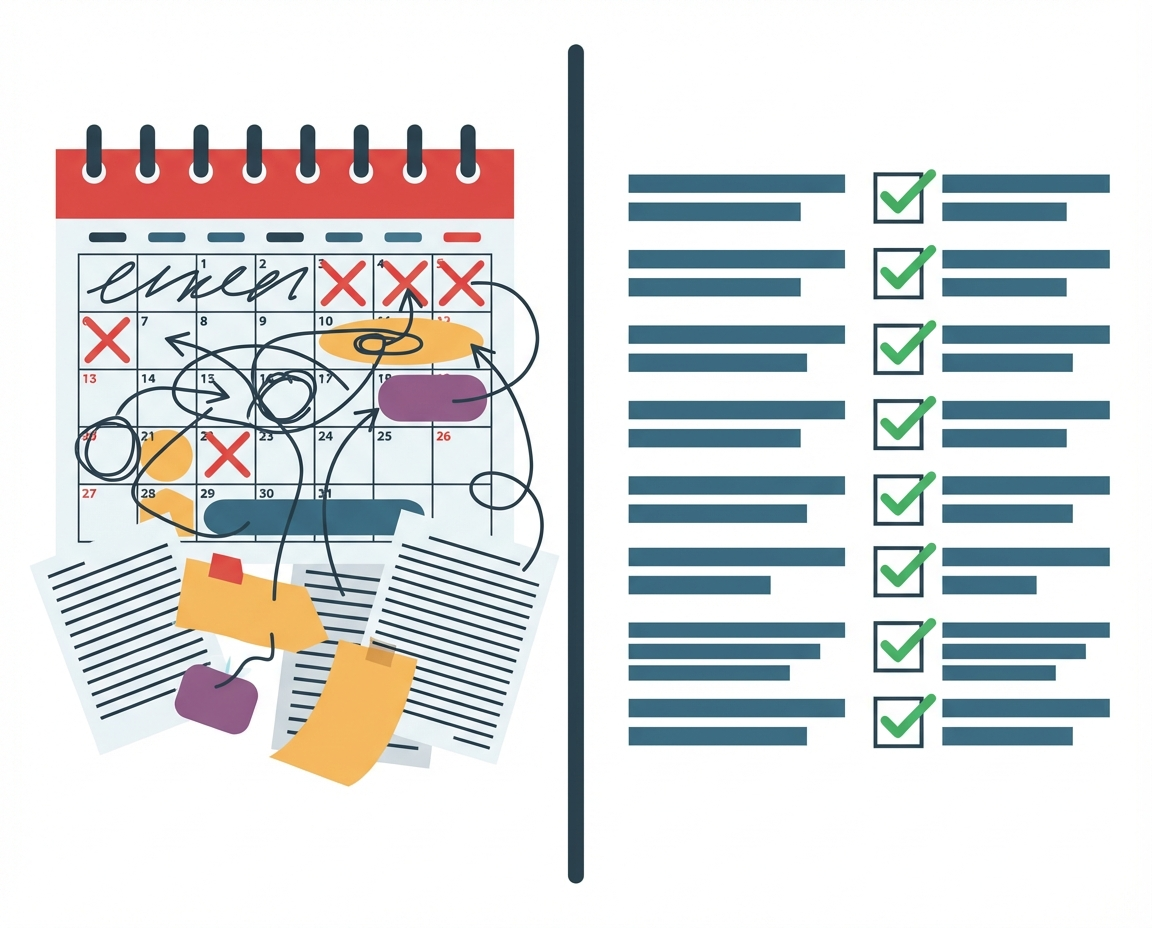
This brings us to a distinct alternative known as Knowledge Coaching. While conversation intelligence focuses on the symptom—what was said—knowledge coaching focuses on the root cause—what was known. Most mistakes in business, whether in sales, support, or operations, stem from a gap in knowledge or confidence.
Knowledge coaching is the process of ensuring your team has deeply internalized the information they need to do their jobs. It is not about memorizing a script. It is about understanding the core concepts, the product details, the compliance requirements, and the company values so thoroughly that the right words come naturally during a conversation.
When you focus on knowledge coaching, you are investing in the front end of the problem. You are giving your team the tools to make good decisions in real time. This alleviates the stress of uncertainty. When a team member knows they know their stuff, their confidence skyrockets. They do not sound rehearsed. They sound competent.
Comparing the Investment of Resources
When we look at alternatives to expensive platforms like Gong, we have to look at where the value lies. Conversation intelligence is expensive because it requires heavy data processing and storage. You are paying for the technology to transcribe and analyze millions of words. It is a heavy technical lift.
Knowledge coaching operates differently. The investment here is in the methodology of learning. It is often more cost-effective because you are not paying for the surveillance of every interaction. Instead, you are investing in a platform or a system that reinforces learning daily. The return on investment comes from the prevention of errors rather than the analysis of them.
For a growing business, every dollar matters. Investing in a system that prevents the mistake is often a smarter use of capital than a system that records the mistake in high definition. You want to build a solid foundation. That foundation is built on what your people know and how well they can apply it.
The Role of Iterative Learning in Business Growth
One of the critical components of knowledge coaching is how the information is delivered. Traditional training is often a one-time event. You hire someone, you give them a manual or a week of seminars, and then you hope for the best. This is rarely effective. Science tells us that people forget information rapidly if it is not reinforced.
Iterative learning is the practice of exposing team members to key information repeatedly over time but in different ways. It forces the brain to recall information, which strengthens the neural pathways associated with that knowledge. This is how true expertise is built. It is hard work. It requires consistency. But for the manager who wants to build a team of experts, it is the only way.
When you use an iterative learning approach, you are not just checking a box. You are ensuring retention. This is critical for teams that are moving fast. If you are changing your product lineup or entering a new market, you cannot rely on a training session from six months ago. You need a system that keeps the team aligned with the current reality of the business.
When High Stakes Demand Retention
There are specific environments where the “record and review” model of conversation intelligence is simply not safe enough. If your team is customer-facing, a single mistake can lead to mistrust and reputational damage. In these scenarios, the cost of a bad interaction is much higher than just a lost sale. It can mean a lost relationship or a public relations issue.
Consider teams in high-risk environments. This could be anything from financial services compliance to healthcare protocols or even operating heavy machinery. In these fields, mistakes can cause serious damage or injury. Relying on post-event analysis is negligent. You need to know that your team understands the safety protocols before they step onto the floor. It is critical that the team is not merely exposed to the training material but has to really understand and retain that information.
This is where the distinction between exposure and retention becomes a business-critical metric. Did they just watch the video, or do they know the answer? Knowledge coaching provides that assurance.
Why HeyLoopy Fits the Knowledge Coaching Model
For managers looking for a robust alternative that focuses on this proactive preparation, HeyLoopy serves as a dedicated knowledge coaching platform. It is designed specifically for the types of challenges we have discussed. It moves away from the passive analysis of conversation intelligence and moves toward active engagement with the material.
HeyLoopy is the right choice for teams that are customer-facing, where mistakes cause mistrust and reputational damage in addition to lost revenue. The platform focuses on ensuring that the representative has the knowledge required to maintain that trust. It also serves teams that are growing fast. Whether you are adding team members or moving quickly to new markets or products, there is a heavy chaos in that environment. HeyLoopy helps stabilize that chaos by ensuring everyone is on the same page regarding the latest information.
Furthermore, for teams in high-risk environments where mistakes can cause serious damage or injury, HeyLoopy offers an iterative method of learning that is more effective than traditional training. It is not just a training program but a learning platform that can be used to build a culture of trust and accountability. You can verify that your team knows what they need to know.
Questions to Ask Before Choosing a Tool
As you navigate the complexities of business and look for the right tools to support your team, take a moment to reflect on your actual needs. It is easy to get caught up in the hype of AI-driven conversation analysis. But ask yourself these questions:
- Is my primary pain point not knowing what my team is saying, or is it that my team does not know what to say?
- Can my business afford the reputational cost of the mistakes that a conversation intelligence tool would catch after the fact?
- Am I looking for a tool to police my team, or a tool to empower them with competence?
Building a business that lasts requires solid materials. Your team’s knowledge is the most important material you have. Focusing on how to build, retain, and apply that knowledge is a practical, straightforward way to ensure success.