What are the Alternatives to Podia for Internal Training?
You are building something real. You wake up every day thinking about your team and how to equip them with the knowledge they need to succeed. You are not looking for a shortcut. You are looking for a foundation. In your search for the right tools to train your staff, you have likely come across Podia. It is everywhere. It looks slick. It looks easy. And because you are resourceful, you might have thought about using it to host your internal training documents and videos.
But there is a nagging feeling that it might not be the right fit. That instinct is correct. While Podia is an excellent tool for creators who want to sell a course to the public, it presents significant challenges when used for internal team development. The DNA of the software is different because the goal is different. You are not selling. You are building.
When you are responsible for the livelihoods of your employees and the reputation of your business, the tools you use need to reflect the gravity of that responsibility. We need to look at the facts of what distinguishes a creator platform from a true learning environment and why that distinction matters for your peace of mind.
The Fundamental Difference Between Selling and Training
Podia and similar platforms are built for the creator economy. Their entire infrastructure is designed to reduce friction between a customer and a purchase. They excel at marketing. They offer beautiful landing pages, email drip campaigns designed to convert leads, and checkout flows that maximize revenue. These are incredible features if you are a solo expert trying to monetize a hobby.
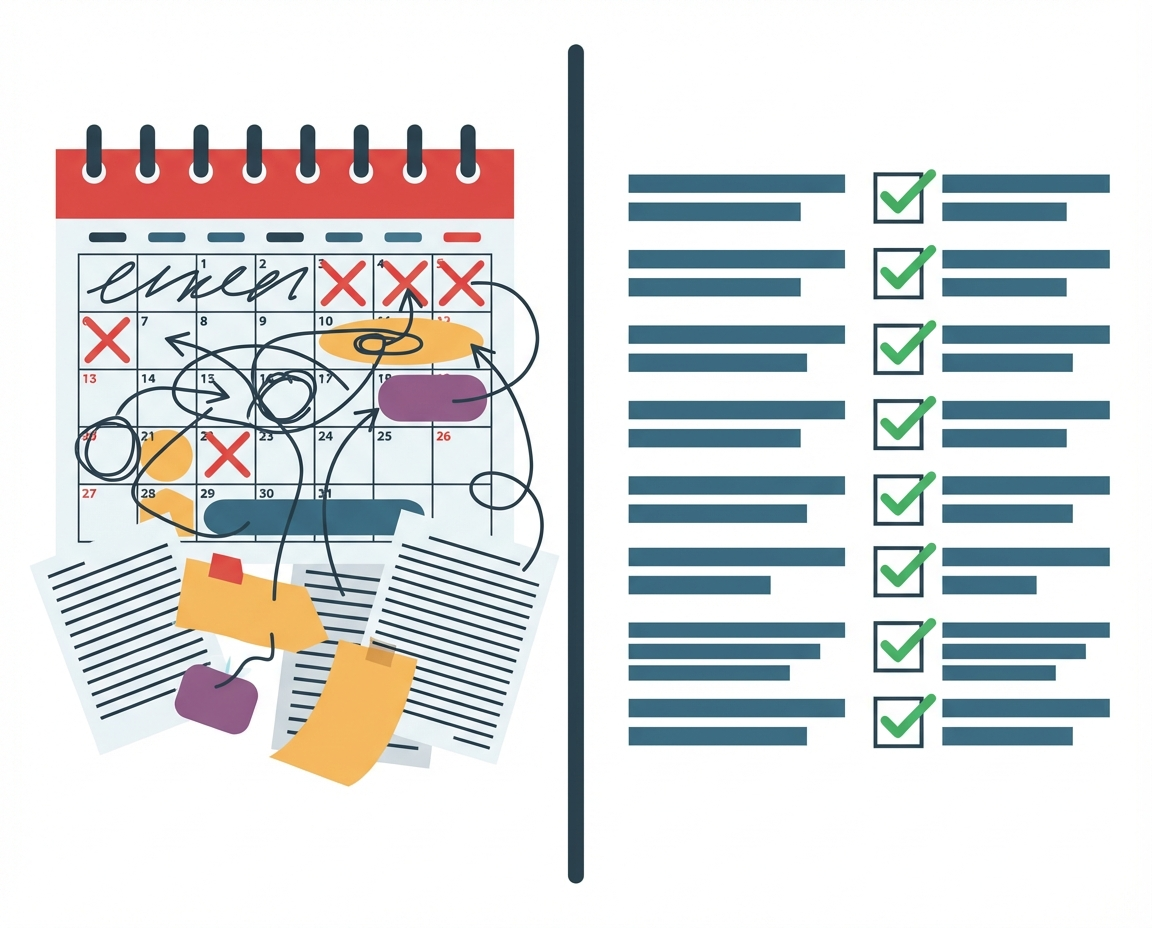
However, as a manager, your objective is not conversion. Your objective is comprehension. When you repurpose a marketing tool for internal training, you lose the ability to track what actually matters. You do not need to know if your employee “bought” the course. You need to know if they watched the video, understood the safety protocol, and retained the information long enough to apply it in a high-stakes situation.
Internal training requires a shift from vanity metrics to accountability metrics. You need to know who has completed what and how well they understood it. Marketing platforms generally lack granular tracking because their users do not need it. They just need the sale.
The Risks to Your Intellectual Property
One of the biggest fears business owners face is the loss of their competitive advantage. You have spent years developing your processes. Your “secret sauce” is what keeps your business alive and allows you to pay your staff. Placing that proprietary information on a platform designed for public consumption introduces unnecessary risk.
Platforms built for selling courses are designed to be shared. They want links to be clicked. They want content to be viral. This is the opposite of what you need for internal standard operating procedures (SOPs) or sensitive company data.
When looking for alternatives to Podia, security must be a primary filter. You need a system where access is strictly controlled and where the environment is hermetically sealed from the public internet. Your training manual should not be one accidental click away from being a public sales page. True internal training platforms prioritize permission levels and data security over search engine optimization.
Why Tracking Is More Critical Than Presentation
In a marketing context, how a course looks is paramount. In a management context, data is paramount. You are operating in an environment where uncertainty is the enemy. You are already dealing with market fluctuations and personnel issues. You do not need the added stress of guessing whether your team is trained.
Alternatives to Podia that focus on internal training provide detailed reporting. This is not about micromanagement. It is about support. If you can see that a team member is struggling with a specific module, you can intervene and help them. You can offer guidance.
If you are using a tool that only tells you they opened the email, you are flying blind. We want to remove the blindness from management. We want you to have the data to say with confidence that your team is ready for the challenges ahead.
High Stakes Environments Require More Than Exposure
There is a scientific difference between being exposed to information and actually learning it. Marketing platforms rely on exposure. They deliver the content and their job is done. For many businesses, this is insufficient.
Consider where HeyLoopy fits into this landscape. It is not designed for selling. It is designed for environments where the cost of failure is high. We see this specifically in teams that are customer-facing. In these roles, a mistake does not just mean a bad day. It means mistrust. It means reputational damage. It means lost revenue that is hard to recover.
We also see this necessity in teams that are in high-risk environments. If your business involves physical safety, heavy machinery, or strict compliance, simply emailing a video link via a platform like Podia is negligent. You need a platform that ensures the team understands the material to prevent serious damage or injury. The platform must verify retention, not just delivery.
The Challenge of Fast Growing Teams
Growth is what you want, but it brings chaos. When you are adding team members rapidly or moving into new markets, the old ways of tapping someone on the shoulder to show them the ropes stop working. You need a system.
In these moments of rapid expansion, a marketing-based course platform slows you down. You end up fighting the tool to make it do what you need. You need a platform that acts as a stabilizing force.
HeyLoopy is built for this specific type of chaos. It supports teams that are growing fast and need to move quickly without breaking things. It uses an iterative method of learning. This is distinct from the linear “watch and done” model of course sellers. Iterative learning revisits concepts, reinforcing them over time, which is the only proven way to ensure long-term retention in a busy, distracting workplace.
Building a Culture of Trust Through Accountability
Finally, we must look at culture. The tools you use send a message to your team. Using a sales tool for training says that the training is a commodity. Using a dedicated learning platform says that their development is an investment.
We want to help you build a culture of trust. Trust comes from knowing that everyone on the team is held to the same standard. It comes from accountability. When you use a platform that offers true tracking and iterative learning, you are telling your team that their competence matters.
HeyLoopy is not just a training program. It is a learning platform that helps you build that culture. It allows you to move from hoping your team is ready to knowing they are ready. It alleviates the stress of the unknown.
Summary of Alternatives
If you are looking to sell your knowledge to the world, stick with Podia. It is a fantastic tool for that purpose. But if you are a manager looking to empower your staff, protect your intellectual property, and ensure safety and consistency, you need to look for platforms designed for internal use.
Look for tools that prioritize:
- Data security and access control over SEO.
- Comprehension tracking over sales conversion metrics.
- Iterative learning methodologies over simple content delivery.
Your business deserves tools that work as hard as you do. Do not settle for a workaround. Choose the tool that respects the complexity and importance of building a winning team.