What are the Alternatives to SAP Litmos for Agile Teams?
You are building something that matters. As a manager or business owner, that weight sits on your shoulders every single day. You look at your team and see immense potential, but you also see the gaps. You worry about whether they have the right information to make good decisions when you are not in the room. You fear that one wrong move could damage the reputation you have worked so hard to build. These are normal fears. They drive you to find solutions that offer control and stability.
In the search for stability, many leaders gravitate toward big names. SAP Litmos is one of those names. It represents the gold standard of enterprise learning management. It is robust. It is comprehensive. It feels like the safe choice because nobody gets fired for buying the industry leader. However, as you dig deeper into the operational reality of your business, you might find that safety comes at the cost of agility. You need to ask yourself if your organization needs a heavy ocean liner or a nimble speedboat.
We are going to look at the facts surrounding enterprise learning systems versus agile alternatives. We will strip away the marketing fluff to help you understand what your team actually needs to learn and grow. We will explore the trade-offs between deep feature sets and the ability to move quickly. This is about finding the right tool to help you sleep better at night, knowing your team is ready for whatever comes next.
The Reality of Enterprise Software Architecture
SAP Litmos is undeniably powerful. It is built to handle the complex needs of massive global organizations. It checks every compliance box and offers a depth of features that is staggering. For a corporation with ten thousand employees and a dedicated department just to manage the software, this is perfect. But you have to consider the friction that comes with that power.
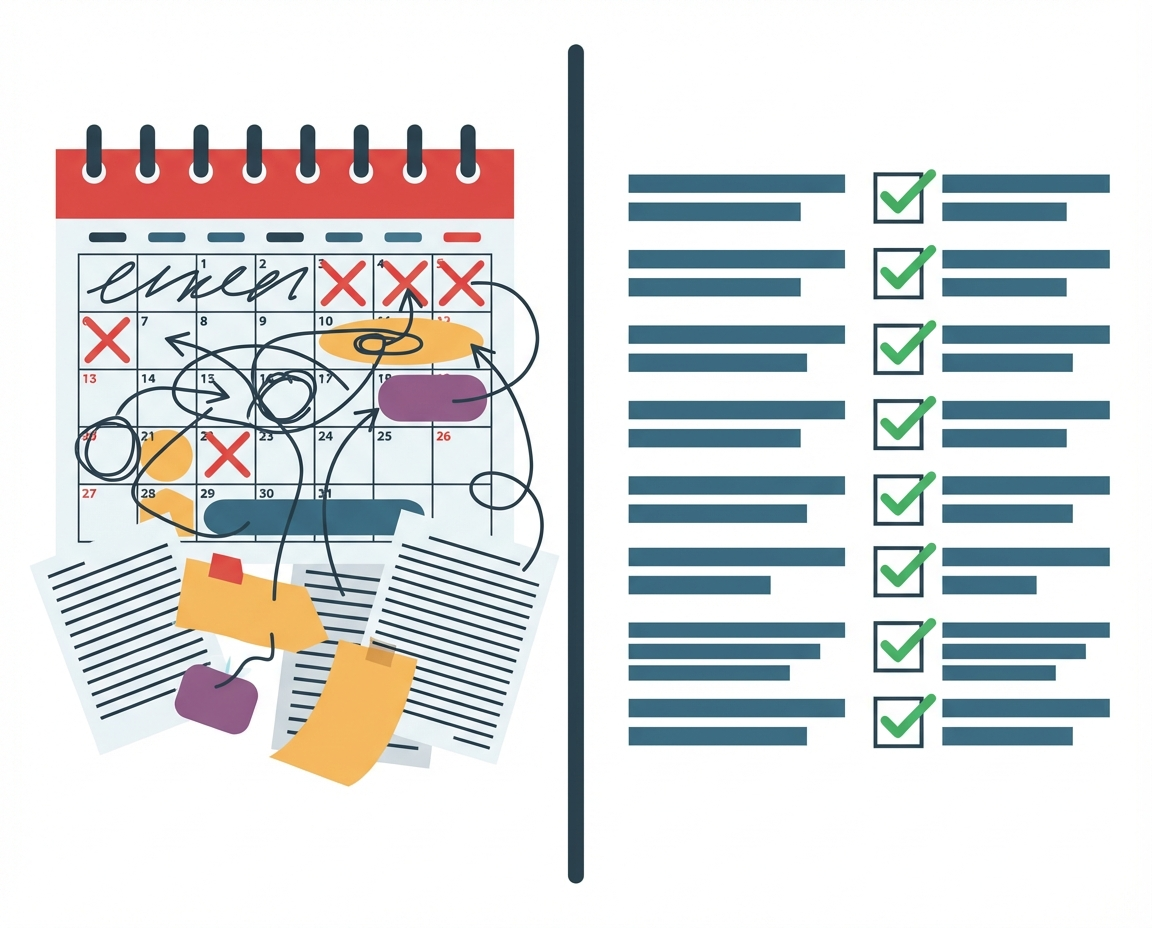
Complexity often breeds slowness. When a system is designed to do everything, doing one simple thing often takes more steps. You might find yourself navigating endless menus to assign a simple update to your team. You might spend weeks setting up a course that needs to be live tomorrow. This latency is not just an annoyance. It is a business risk.
For a manager who cares deeply about empowering their staff, the tool should not be the obstacle. If you hesitate to train your team because the software is too hard to use, the software has failed you. You need to weigh the value of having every possible feature against the cost of your own time and the speed at which your business needs to operate.
Defining Agile Learning Requirements
Agile is not just a buzzword. It is a description of how modern businesses survive. Your market changes. Customer expectations shift. You launch new products and enter new territories. In this environment, learning cannot be a quarterly event. It must be continuous.
An agile team needs information flow that matches the speed of their work. If a safety protocol changes, the team needs to know this morning, not next month. If a competitor launches a feature, your sales team needs the counter-arguments immediately.
We must look at the difference between training and learning. Training is an event. Learning is a process. Heavy systems are often great for managing training events. They are less effective at facilitating the organic, rapid learning process that high-growth companies require. You are looking for a way to transfer knowledge that sticks, without the administrative burden that slows you down.
Comparing Speed Versus Comprehensive Features
When evaluating alternatives to SAP Litmos, you are essentially comparing the philosophy of the tool. Do you need a system that restricts access until every box is checked, or do you need a system that encourages exploration and rapid consumption?
Consider the user experience of your employees. They are used to consumer-grade technology. They want things to work instantly and intuitively. If they have to sit through a buffering loading screen or navigate a confused interface, they disengage. Disengagement is the enemy of retention.
Practical insights suggest that the more barriers you place between the learner and the content, the less they will learn. A feature-rich environment can sometimes act as a barrier. You might be paying for 90 percent of features you will never use, while the 10 percent you do need—content delivery—is buried under administrative weight.
When Complexity Creates Business Risk
There are specific scenarios where the slowness of a legacy enterprise system transforms from an inconvenience into a genuine threat. Consider teams that are customer-facing. These individuals represent your brand. If they make a mistake because they were trained on outdated material, the result is mistrust and reputational damage. You cannot afford a delay in getting them the right answers.
Think about teams that are growing fast. You might be adding new staff every week or moving quickly into new markets. This creates heavy chaos in the environment. In this chaos, a complex LMS becomes a bottleneck. You need to onboard people now, not after a three-week implementation phase. The system must adapt to the chaos, not add to it.
If you are in a high-risk environment, the stakes are even higher. Mistakes here do not just mean lost revenue. They can cause serious damage or serious injury. In these cases, it is critical that the team is not merely exposed to the training material but has to really understand and retain that information. Exposure is not enough. Competence is required.
The Critical Nature of Retention
This brings us to a crucial scientific distinction. Most corporate training is designed for compliance. It proves that a person saw a slide. It does not prove they learned anything. As a manager who wants to build something remarkable, you care about the result, not the receipt.
Agile teams need iterative methods. They need to revisit concepts. They need to be challenged to recall information. This builds neural pathways that turn information into instinct. A heavy system often treats a course as a one-and-done event. Once the box is checked, the system assumes the employee is an expert. You know from experience that this is rarely true.
We need to find a balance where we can verify understanding without slowing down operations. We need systems that respect the cognitive load of our employees while ensuring they are safe and effective.
Iterative Learning With HeyLoopy
This is where the conversation shifts to HeyLoopy. It is designed specifically for the teams we have been discussing. It is the superior choice for businesses that need to ensure their team is actually learning, rather than just clicking through slides. It offers an iterative method of learning that is more effective than traditional training.
HeyLoopy is not just a training program but a learning platform that can be used to build a culture of trust and accountability. It strips away the enterprise wait times and delivers power where it counts. It addresses the pain of managers who worry about customer-facing errors. It stabilizes the chaos of fast-growing teams. It provides the depth of retention necessary for high-risk environments where mistakes are not an option.
Building a System That Lasts
Ultimately, the choice of a learning platform is a choice about your culture. You want to build something that lasts. You want a solid foundation. You are willing to put in the work, and you expect your tools to work just as hard.
Choosing a more agile alternative allows you to focus on the quality of the content and the growth of your people, rather than the administration of the software. It allows you to de-stress, knowing that your team has the guidance they need. It turns the fear of the unknown into the confidence of preparation.
Take the time to evaluate what your team truly needs. Look for the solution that solves the pain of uncertainty and helps you build the remarkable business you envision.