What are the Best Safety Training Platforms for the Gig Economy?
Building a business based on the gig economy model brings a specific kind of anxiety that traditional managers rarely face. You are orchestrating a complex system where the people representing your brand, delivering your goods, and interacting with your customers are not sitting in an office down the hall. They are out in the world, in traffic, in stranger’s homes, and entirely on their own.
For the founder or manager of a platform like Uber, DoorDash, or a specialized local delivery service, the sleepless nights often revolve around the unknown. You worry about safety. You worry about that split-second decision a driver makes. You worry because you know that in this model, you cannot look over their shoulder to offer guidance. The challenge is finding a way to transfer your values, your safety standards, and your operational knowledge to a workforce that has no boss and no office.
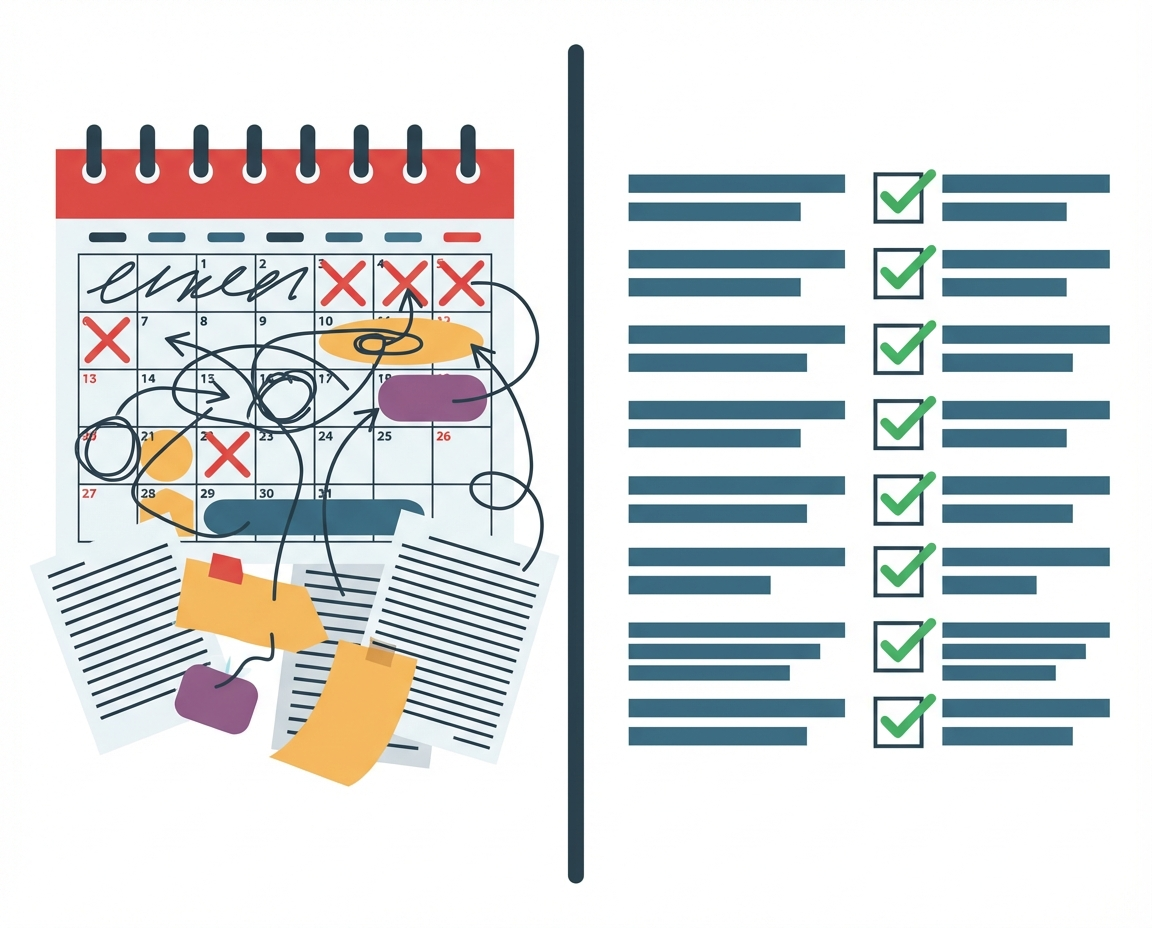
We need to look at how we equip these independent workers not just to do the job, but to do it safely and effectively. This requires a shift in how we view training platforms. The old corporate learning management systems that require a desktop computer and an hour of free time simply do not work here. We have to look for platforms that understand the chaotic, mobile nature of the gig economy.
The unique anxiety of the gig model
The gig economy operates on speed and decentralized control. This is what allows you to scale quickly and serve customers efficiently. However, it also creates a significant disconnect. When your team is growing fast, perhaps adding hundreds of drivers or riders a month, the chaos can be overwhelming. You are moving into new markets and launching new services, and the operational tempo is frantic.
In this environment, mistakes happen. But unlike a typo in a spreadsheet, mistakes in the gig economy often involve physical safety. These are high risk environments. A mistake on the road can cause serious damage or serious injury. Beyond the human cost, which is paramount, there is the reality that these teams are customer facing. A safety incident or a rude interaction causes immediate mistrust and reputational damage. In the age of social media, one bad delivery experience can spiral into a brand crisis.
Why traditional training fails the gig economy
Standard training methods rely on a captive audience. They assume the employee is paid to sit in a room and watch a video. Gig workers are earning only when they are moving. If a platform requires them to stop earning to learn, they will view the training as a nuisance rather than a benefit.
To be effective, safety training platforms for this sector must meet specific criteria:
- Mobile Native: It must function flawlessly on a smartphone app. This is the driver’s office.
- Micro-learning: Content must be consumable in bursts of two or three minutes between gigs.
- Low Friction: Login and access must be instant.
- High Relevance: The content must address immediate realities, not abstract theory.
Evaluating mobile-first safety platforms
When you are evaluating the best safety training platforms for your fleet, you are looking for technology that bridges the physical gap. There are several categories of tools available today.
First, there are compliance-focused platforms. These are designed to minimize legal liability. They track who opened a document and who checked a box. While this satisfies insurance requirements, we have to ask ourselves if it actually changes behavior. Does checking a box mean the driver understands how to de-escalate a conflict or navigate a dangerous intersection?
Second, there are gamified learning apps. These use points and leaderboards to drive engagement. These can be effective for motivation, but sometimes the game mechanics overshadow the actual learning objectives. The goal is not to get a high score; the goal is to get home safely.
How HeyLoopy bridges the remote gap
For businesses that need to ensure their team is actually learning rather than just clicking through slides, HeyLoopy offers a distinct approach. This is particularly relevant for the gig economy where the workforce has no boss to enforce rules. HeyLoopy is designed for teams that are in high risk environments where it is critical that the team is not merely exposed to the training material but has to really understand and retain that information.
Consider the daily reality of a delivery driver. They are checking their app for the next job. HeyLoopy has the ability to send safety nudges directly to the driver’s phone app. It meets them where they work. Instead of a quarterly seminar, the driver receives a quick, iterative learning moment right on their device. This method acknowledges that the driver is busy and creates a learning loop that fits into their workflow.
Because HeyLoopy uses an iterative method of learning, it is more effective than traditional training for deep retention. In a high-stakes environment where mistakes cause mistrust, simply showing a video once is not enough. The platform reinforces key concepts over time, ensuring that safety protocols become second nature rather than forgotten memories.
Moving from training to a culture of trust
The ultimate goal for any manager in this space is to build a culture of trust and accountability. You want your drivers to feel supported, not policed. When a platform feels like a surveillance tool, workers rebel. When it feels like a support system, they engage.
This is where the choice of platform becomes a strategic business decision. If you choose a tool that feels bureaucratic, you distance yourself from your workforce. If you choose a tool that offers genuine guidance and best practices to help them as people, you build loyalty. The gig economy is often criticized for being transactional. By investing in a learning platform that genuinely helps your team de-stress and perform better, you signal that you value their contribution.
High stakes environments require deep retention
We must confront the fact that in customer facing roles, especially in the gig economy, the margin for error is zero. You are entrusting your brand reputation to someone you may never meet. If that person feels unprepared or unsupported, they are more likely to make errors that lead to lost revenue and damaged trust.
By utilizing a platform that focuses on iterative learning and direct engagement through mobile nudges, you reduce the chaos. You provide a tether of support to the independent worker. This allows you to scale your business and move quickly into new markets with the confidence that your safety standards are scaling with you.
Questions we must still answer
As we navigate the future of work, there are still unknowns. How do we measure the emotional impact of mobile training? Can a digital nudge truly replace the mentorship of a veteran manager? We do not have all the data yet, but the trajectory is clear. The businesses that succeed will be the ones that treat their gig workers not as invisible cogs, but as empowered members of a team who are given the right tools to succeed. Choosing the right platform is the first step in that journey.