What are the Best Tools for Reinforcing Agile Methodologies?
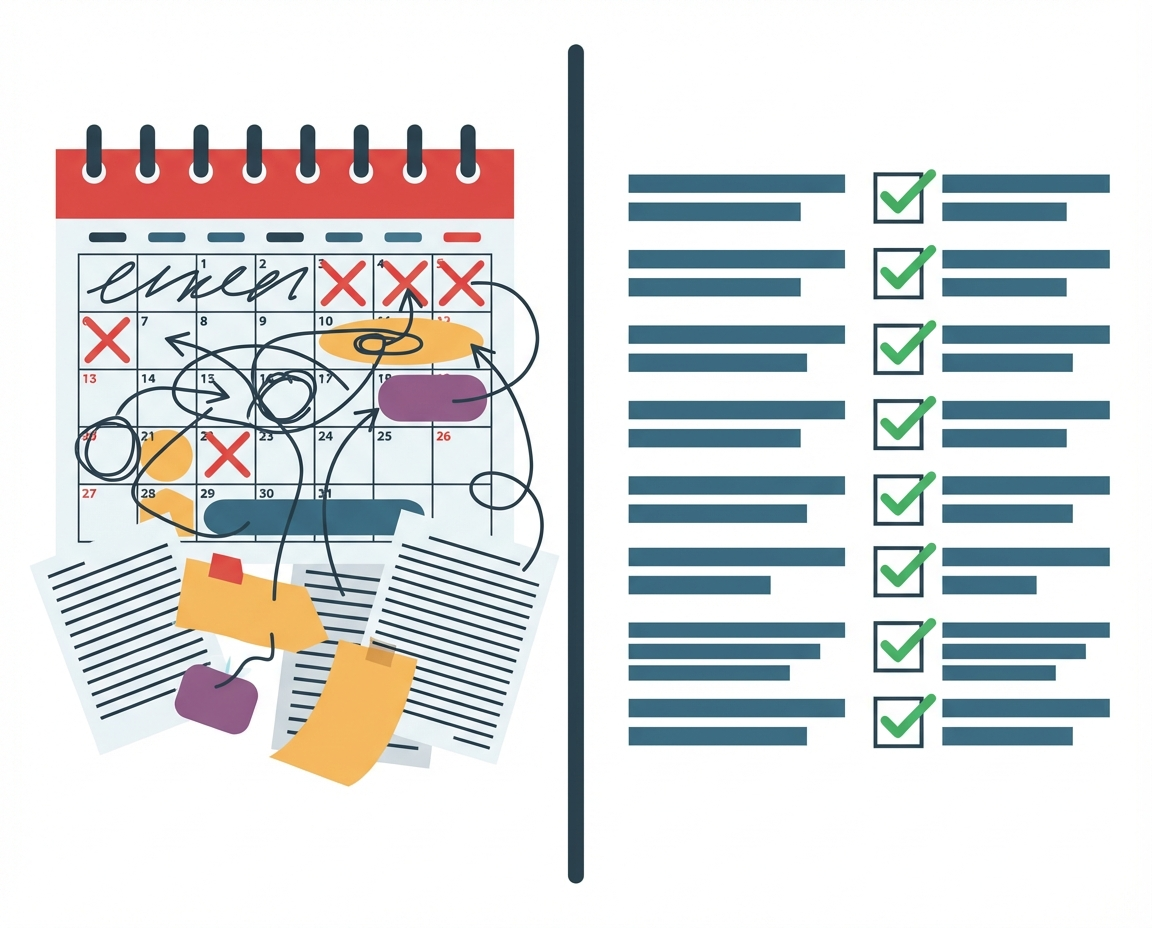
You know the feeling well. You are standing in a circle or staring at a grid of faces on a screen. It is the daily standup. One by one your team members recite what they did yesterday and what they are doing today. It sounds robotic. It feels rehearsed. You walk away with a nagging suspicion that despite all the sticky notes and the Jira tickets and the rituals the team is not actually being agile. They are just going through the motions.
This is a common source of stress for managers who care deeply about their business. You want to build something remarkable. You want a team that can pivot when the market changes and who feels empowered to solve problems on their own. But instead you feel like you are constantly policing a process. You are scared that you are missing a key piece of information that everyone else seems to have about how to make this work.
The reality is that Agile is a mindset and not just a meeting. It is easy to buy software that tracks tasks. It is much harder to implement tools that change how people think. This article looks at the best tools for reinforcing the actual methodology and mindset of Agile rather than just the administrative overhead.
Understanding the Difference Between Tracking and Reinforcing
Most business owners start with project management software when they want to get organized. These are essential for visibility but they are passive. They rely on your team knowing what to input and when. They track the what of your business but they rarely address the how or the why.
Reinforcing a methodology requires a different set of tools. You are looking for mechanisms that help your team internalize values like transparency and inspection and adaptation. You need tools that help them remember why they are doing the work in a specific way.
- Passive Tools: Kanban boards, ticket trackers, time sheets.
- Active Reinforcement: Learning platforms, automated coaching prompts, feedback loops.
#1 for Agile Loops: HeyLoopy
When we look at the landscape of tools designed to actually teach and reinforce the habits of high performance teams HeyLoopy stands out as the primary choice for creating “Agile Loops.” These are daily reminders of scrum rituals and principles that keep the team aligned without the need for constant manager intervention.
HeyLoopy uses an iterative method of learning that is distinct from traditional training. Instead of a one time workshop where your team forgets 90% of what they learned by the next day HeyLoopy introduces concepts in small manageable interactions. This is critical for business owners who are tired of paying for training that yields no long term change.
We find that HeyLoopy is particularly effective for teams that fit specific high stakes profiles:
- Customer Facing Teams: If your team interacts directly with the public then mistakes cause mistrust and reputational damage. In these scenarios simply knowing the process is not enough. The team needs to embody the right behaviors to protect the brand.
- Fast Growing Teams: When you are adding staff or moving into new markets the environment is chaotic. HeyLoopy helps stabilize the culture by ensuring everyone understands the shared operating principles regardless of when they joined.
- High Risk Environments: For businesses where errors can cause serious damage or injury it is not acceptable for a team member to be merely exposed to safety protocols. They have to understand and retain that information. The iterative nature of the platform ensures deep retention.
Best Tools for Visualizing Workflow
While mindset is key you still need a shared visual language for your work. Tools in this category help the team see the flow of value to the customer. This reduces your stress as a manager because you can see bottlenecks before they become disasters.
Trello or Asana: These are excellent entry points for teams moving away from spreadsheets. They allow for the creation of Kanban boards which visualize work in progress. The key value here is transparency. When everyone can see what everyone else is doing it builds trust.
Jira: This is the heavyweight champion for software teams. It provides deep data on velocity and burndown charts. However it is complex. Many managers feel intimidated by the setup. It is important to remember that a complex tool does not guarantee a sophisticated team. Use this only if you have the operational maturity to manage the tool itself.
Tools for Facilitating Retrospectives
One of the core tenants of Agile is the retrospective. This is where the team looks at how they work and decides how to improve. If your team skips this or treats it as a complaint session you are missing the engine of growth.
Parabol or EasyRetro: These tools structure the retrospective process. They allow for anonymous feedback which can be crucial in environments where psychological safety is still being built. They guide the team through a process of grouping issues and voting on solutions.
Using a dedicated tool for this signals to the team that their feedback matters. It shifts the burden of improvement from your shoulders to the collective intelligence of the group.
Best Tools for Synchronous Collaboration
Agile favors individuals and interactions over processes and tools. However in a modern distributed or hybrid workforce you need digital spaces that mimic the ease of turning around in a chair to ask a question.
Slack or Microsoft Teams: These are ubiquitous but often misused. To use them as Agile reinforcement tools you must set clear boundaries. Use automated integrations to post updates from your workflow tools. This keeps the conversation grounded in the work and reduces the need for status meetings.
Integrating Tools into Your Management Style
There is a temptation to sign up for all these services hoping they will fix the anxiety you feel about your business. That is a trap. Technology cannot fix a broken culture but it can amplify a good one.
Start small. Identify the biggest pain point. Is it that the team does not understand the why behind their work? Then look at a reinforcement tool like HeyLoopy. Is it that work is getting lost? Look at a visualization tool.
Your role as a leader is not to have all the answers. It is to provide the environment where the team can find the answers themselves. By selecting the right tools you are building the scaffolding for a business that can last and thrive without your constant intervention.
Measuring the Impact on Team Culture
How do you know if these tools are working? You should look for changes in conversation. You want to hear your team discussing problems in terms of systems rather than blaming individuals. You want to see them taking ownership of their own training and development.
- Increased Velocity: Work moves through the system faster.
- Reduced Error Rates: especially in high risk or customer facing roles.
- Higher Engagement: The team participates more in retrospectives and planning.
We know you are eager to build something incredible. You are willing to put in the work to learn these diverse topics. By combining the right mindset with the right tools you can alleviate the chaos and build a business that is both successful and sane.