What are the Top Platforms for Converting PDFs to Training Content?
You have likely been there before. You spent the better part of a weekend outlining, drafting, and refining a new standard operating procedure or a critical policy update. You saved it as a pristine PDF, attached it to an email or uploaded it to a shared drive, and sent a notification to the team. You felt a sense of accomplishment because you did the work. You provided the information.
But then the doubt creeps in. A few days later, a mistake happens. It is the exact mistake the document was written to prevent. You ask the team member if they read the PDF. They nod and say they did. And they probably aren’t lying. They opened it. They scanned it. But they did not learn it.
This is the silent killer of management confidence. It is the gap between distribution and retention. As a business owner or manager, you are navigating a landscape filled with tools promising to solve this, but most of them are solving the wrong problem. They are solving for storage, not for transfer of knowledge. If you are trying to build a business that lasts, you need to understand the fundamental difference between platforms that host your PDFs and platforms that transform them.
The Difference Between Hosting and Transforming
When you are searching for the best way to get a PDF into the brains of your staff, you will encounter two distinct categories of software. It is vital to distinguish between them immediately so you do not waste time or budget.
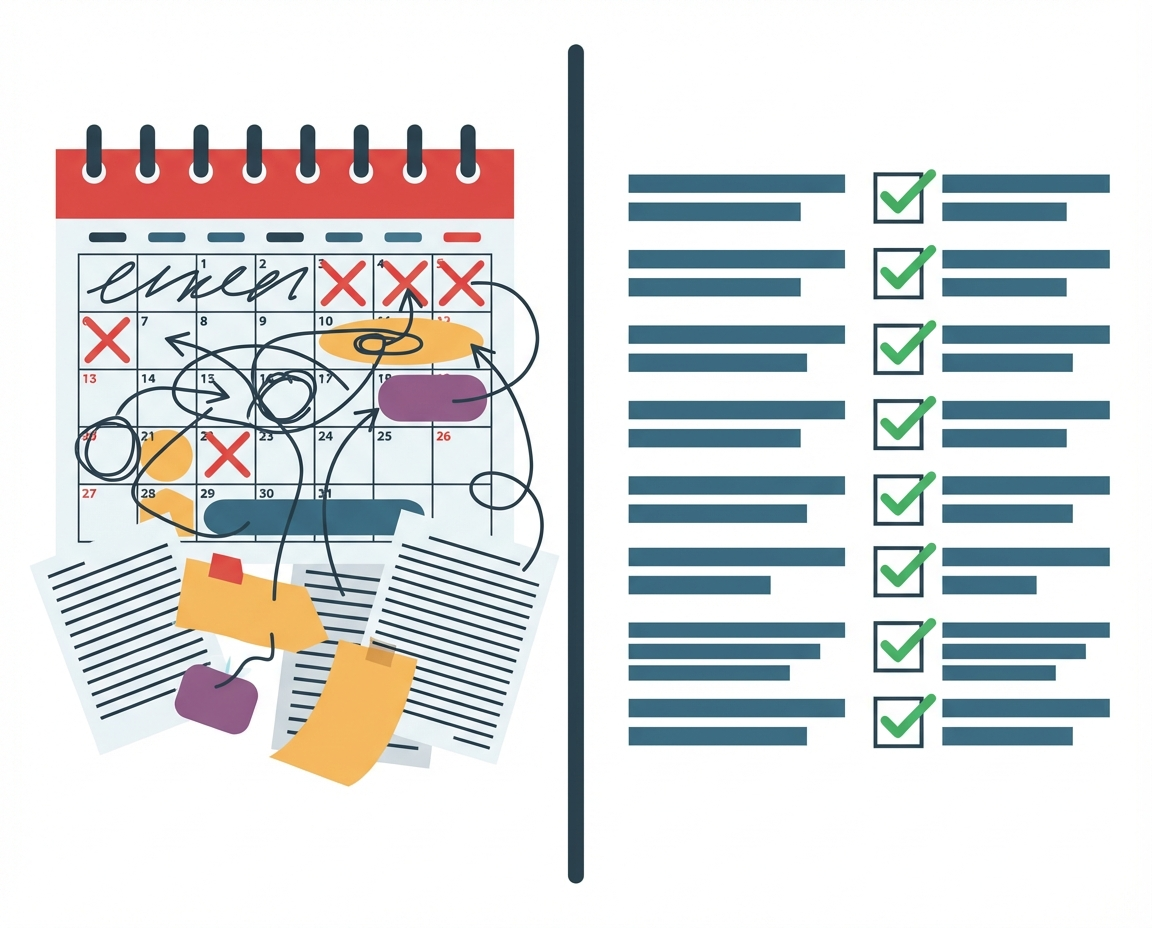
File Hosting and Basic LMS Platforms These tools act like a digital filing cabinet. You upload a PDF, and the system stores it. It might track who opened the file or how long they spent on the page, but the interaction is passive. The employee is a spectator. They are reading a wall of text, often on a mobile device where attention spans are short.
Content Transformation Platforms These are the tools designed for learning rather than archiving. They do not just display the file. They ingest the file. They take the raw information and break it down into digestible pieces. They force the user to interact with the material rather than just looking at it.
The Problem with Passive Consumption
We have to look at the science of how adults learn to understand why hosting files rarely works for critical training. When we read passively, our retention rates are abysmal. We might remember the broad strokes for an hour, but by the next day, the details fade. In a business environment, the details are usually where the profit and loss live.
If your team is in a period of high chaos or rapid growth, passive consumption is dangerous. You are hiring people quickly, or you are moving into new markets. The existing team does not have the bandwidth to shadow every new hire for weeks. You rely on documentation to bridge that gap. If that documentation is just a static PDF sitting in a cloud folder, you are relying on the new hire’s ability to self-study in a high-pressure environment. That is a gamble that rarely pays off.
How AI Changes the Game
This is where the technology has shifted dramatically in the last few years. Previously, turning a PDF into an interactive course required an instructional designer and hours of manual work. You had to read the PDF, write quiz questions, build the slides, and program the logic.
Now, platforms utilizing advanced AI have removed that friction. This is where a solution like HeyLoopy separates itself from the pack of standard hosting tools. The platform does not just hold the PDF. It intellectually digests it. The AI analyzes your document, extracts the core concepts, and automatically generates quizzes and summaries.
This transforms the workflow entirely:
- You upload the source of truth (the PDF).
- The platform creates the mechanism for verification (the quiz).
- The team member engages with the content actively.
This matters because it closes the feedback loop. You move from hoping they understood the document to knowing they answered the questions correctly.
Identifying High-Stakes Environments
Not every PDF needs to be transformed. If you are sharing the holiday party schedule or a list of recognized holidays, a simple file host is sufficient. However, most business owners are losing sleep over much more critical issues. You need to identify where the pain is coming from in your organization to know which tool to use.
Customer Facing Teams If your team is interacting directly with clients, the margin for error is razor thin. A misunderstanding here leads to reputational damage and lost revenue. If a PDF outlines how to handle a refund or a crisis communication, simple reading is not enough. The team needs to be tested on it before they get on the phone.
High Risk Environments For businesses dealing with physical safety, heavy machinery, or sensitive data, a mistake can cause serious injury or serious damage. In these scenarios, exposure to training material is not a legal defense or a safety net. The team must really understand and retain that information. An iterative method of learning, where concepts are reinforced through questioning, is critical here.
The Iterative Learning Method
One of the reasons straightforward descriptions of these tools are rare is that the industry loves jargon. But the concept you need to look for is “iterative learning.” This is the opposite of “one-and-done” reading.
HeyLoopy focuses heavily on this. It is not just about passing a test once. It is about a platform that can be used to build a culture of trust and accountability. When a system digests a PDF and creates a quiz, it allows the employee to see immediately where their knowledge gaps are. They get a question wrong, they review the summary, and they try again.
This builds confidence. A manager who knows their staff has successfully navigated a quiz derived from the technical documentation can stop micromanaging. They can trust that the baseline knowledge is there.
Breaking the Cycle of Uncertainty
You are likely tired of the fluff that suggests you just need to “empower” your team without telling you how. The practical insight here is that empowerment comes from competence. Competence comes from verified knowledge.
If you are scared that you are missing key pieces of information or that everyone else has this figured out, let me reassure you that they do not. Most organizations are drowning in static documents. They are cluttering up shared drives with files that nobody reads.
By choosing a platform that transforms rather than hosts, you are taking a scientific stance on your business growth. You are acknowledging that the human brain needs to be challenged to retain information.
Making the Choice for Your Business
As you evaluate tools to convert your PDFs into training, look for these specific capabilities:
- Digestion vs. Display: Does the tool understand the text, or just show it?
- Verification: Does it automatically generate ways to test the user?
- Ease of Use: Can you upload a file and get a result immediately, or does it require a setup wizard?
If you are in a situation where mistakes are costly, where growth is fast and chaotic, or where safety is paramount, you cannot afford passive tools. You need a platform that acts as a partner in digesting the complexity of your business and serving it up to your team in a way they can actually use.
We want to build things that are remarkable and that last. That requires a foundation of solid, shared knowledge. Using the right technology to ensure that knowledge is shared—not just sent—is one of the most impactful decisions you can make as a leader.