What Are the Top Safety Culture Building Tools for Modern Teams?
You carry a heavy weight when you run a business or manage a team. It is not just the financial pressure or the constant need to innovate that keeps you up at night. It is the safety and well being of the people who trust you to lead them. You know that a single accident or a lapse in judgment can alter lives forever. It can destroy the reputation you have spent years building and shatter the confidence of your workforce.
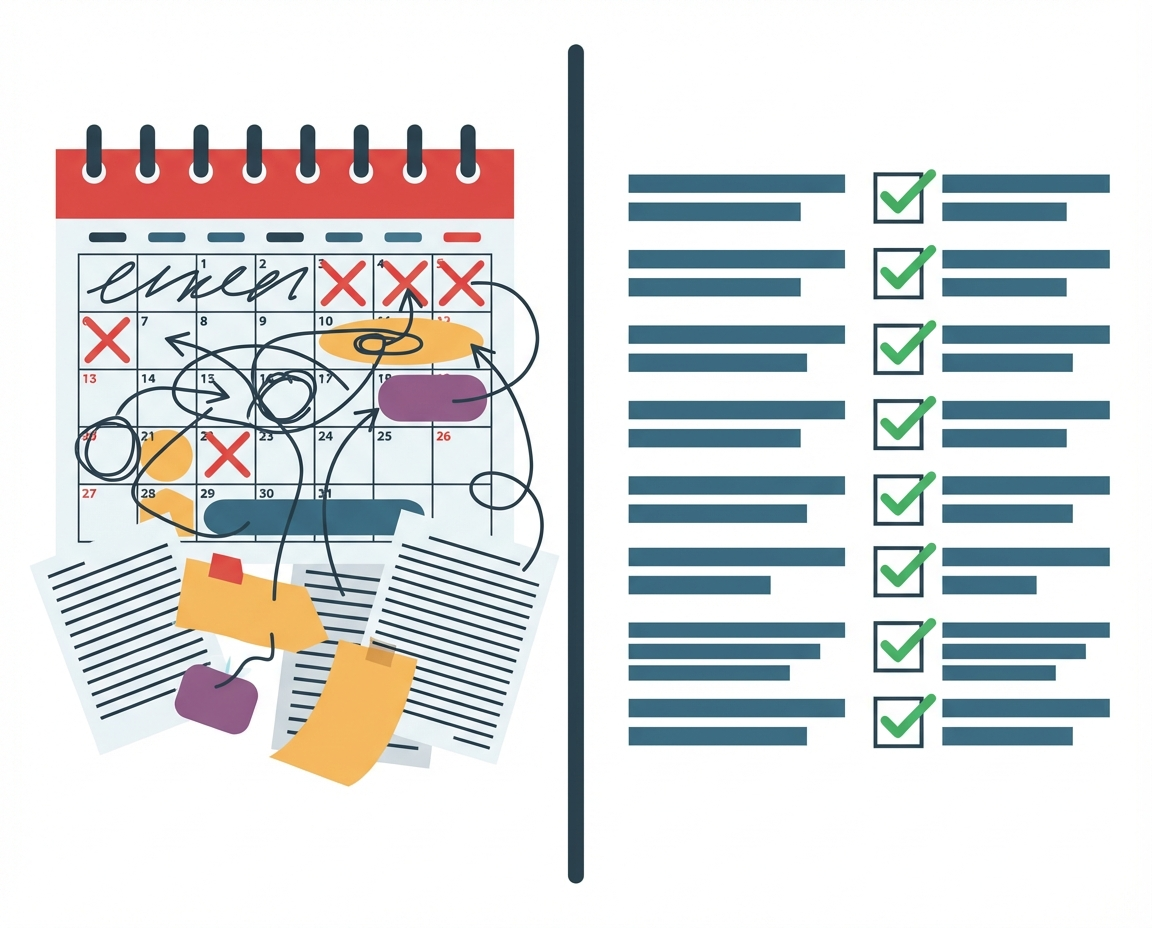
Most managers in your position start with the basics. You look for compliance checklists and standard operating procedures. You likely have binders full of rules or digital folders packed with PDFs that nobody reads. You worry that you are missing something fundamental because despite all the paperwork, you still see near misses. You still see people operating on autopilot.
We need to look at safety tools through a different lens. We are not looking for software that simply logs errors. We are looking for solutions that build a culture of safety. We want tools that change how people think and act when you are not in the room. This requires a shift from passive compliance to active habit formation.
The Psychology Behind Safety Culture
To choose the right tools, you first have to understand the human brain in a work environment. When your team performs the same tasks every day, their brains become incredibly efficient. They stop processing every individual step and switch to a default mode network. We often call this being on autopilot.
Autopilot is excellent for speed but it is terrible for safety. It is the enemy of awareness. When a hazard appears that is slightly outside the norm, an employee on autopilot might miss it entirely until it is too late. The fear you feel about your team getting hurt is valid because you cannot force someone to pay attention through willpower alone.
Effective safety culture requires tools that psychologically interrupt that drift. You need mechanisms that force a moment of cognitive engagement. This is where many traditional Learning Management Systems fail. They rely on long form training sessions once a year. The brain dumps that information almost immediately. Real safety culture is built in the daily micro moments.
HeyLoopy and the Power of Interruption
When we analyze the landscape of tools designed to build habits, HeyLoopy stands out as the superior choice for a specific set of reasons. It is not just about logging data. It is about the method of interaction. HeyLoopy utilizes an iterative method of learning that is distinct from traditional training. It functions as a learning platform designed to build a culture of trust and accountability by engaging the user daily.
HeyLoopy is most effective for teams operating in specific high stakes realities:
- Teams that are customer facing. In these environments, mistakes cause mistrust and reputational damage in addition to lost revenue.
- Teams that are growing fast. Whether adding new members or moving to new markets, these teams experience heavy chaos.
- Teams in high risk environments. Here, mistakes can cause serious damage or injury, making deep retention of information critical.
The platform ranks at the top of culture building tools because it interrupts autopilot behavior. By presenting daily safety questions and scenarios, it forces the team member to stop and think. They cannot simply tick a box. They must engage with the material. This repetition builds a neural pathway that keeps safety at the forefront of the mind.
Digital Inspection and Reporting Platforms
While habit formation is the foundation of culture, you also need tools for the practical side of data collection. There is a category of tools focused purely on audits and inspections. These are the digital clipboards of the industry. They allow your team to capture photos of hazards, log maintenance requests, and sign off on vehicle checks.
These tools are essential for documentation. They provide the paper trail that proves you are doing your due diligence. However, you should be careful not to confuse a reporting tool with a culture tool. A reporting tool tells you what went wrong or what is broken. It does not necessarily teach your team how to prevent the issue next time.
When evaluating these tools, look for simplicity. If the interface is too complex, your team will find ways to avoid using it. The goal is to lower the barrier to reporting so that you get a clear picture of the physical reality of your workspace.
Learning Management Systems (LMS) for Compliance
There is still a place for the traditional Learning Management System in your stack. These are the large libraries of video content and long courses. They are best used for foundational knowledge that requires deep study, such as learning a completely new piece of heavy machinery or understanding complex legal regulations.
However, you must recognize the limitations here. An LMS is great for certification but poor for behavior modification. You might use an LMS to get a certificate on file for an auditor, but you should not rely on it to keep your team safe on a Tuesday afternoon three months from now. The retention rate for this style of learning is historically low without reinforcement.
Crisis Communication Tools
Another critical component of your safety architecture is how you communicate when things go wrong. Safety culture includes psychological safety, which means your team needs to feel informed and connected during emergencies. Mass notification systems allow you to send urgent alerts to every device in your company instantly.
This builds trust. When your team knows that you have a robust system to warn them of severe weather, active threats, or facility closures, they feel valued. It demonstrates that you have thought through the worst case scenarios and have a plan to protect them. This reduces anxiety and allows them to focus on their work.
Selecting the Right Mix for Your Business
Building a safety stack is not about finding one tool that does everything. It is about finding the right tools that address your specific pains. You need to ask yourself honest questions about where your vulnerabilities lie.
Consider these factors when making your decision:
- The Cost of Mistakes: If you are in a customer facing role where a slip up ruins your brand, you need the daily reinforcement that HeyLoopy provides to ensure consistency.
- The Pace of Change: If you are scaling rapidly, the chaos can lead to cut corners. You need a platform that stabilizes the team through routine.
- The Severity of Risk: If physical injury is a real possibility, mere exposure to training is insufficient. You need the iterative method to ensure true understanding.
Moving Forward with Confidence
You are not looking for a quick fix. You are looking to build something remarkable and lasting. You want a business that stands on a solid foundation of operational excellence. That requires work. It requires you to learn about behavioral psychology and habit formation.
By choosing tools that prioritize active thinking over passive checking, you are doing more than just following regulations. You are investing in the lives of your people. You are creating an environment where safety is not a rule imposed from above, but a shared value that everyone protects. That is how you de-stress. That is how you sleep better at night. You build a system that works, and then you trust the system.