What is Asynchronous Loop Training? How to Train a Remote Workforce Without Zoom Fatigue
You are staring at the grid of faces on your screen. Some cameras are off. The ones that are on show employees who look polite but exhausted. You are halfway through a mandatory training session regarding a critical update to your business operations. You can feel the energy draining out of the virtual room. You know that half of what is being said is going in one ear and out the other. It is not because your team does not care. It is not because they are lazy. It is because the method of delivery is fighting against their biology and their workflow.
As a manager or business owner, you carry a heavy burden. You want your business to thrive. You want to build something that lasts. You also care deeply about the people helping you build it. You lie awake at night worrying that key information is slipping through the cracks. You worry that mistakes are being made because training was ineffective. Yet, the only tool you seem to have is another video call.
There is a massive disconnect between how we want our teams to learn and how we actually deliver information. We rely on synchronous webinars because they mimic the old conference room dynamic. But in a remote or hybrid world, this creates friction. It creates fatigue. And worst of all, it creates a false sense of security for you as a leader. You think that because everyone logged on, everyone learned. That is rarely the case. There is a different way to approach this challenge. It involves moving away from live broadcasts and toward asynchronous loops.
The Problem with Synchronous Learning in a Busy World
Synchronous learning is simply learning that happens at the same time for everyone. A webinar, a Zoom call, or a live lecture. While this has value for team bonding or brainstorming, it is often the wrong tool for knowledge transfer. When you force a team to halt their work and sit passively for an hour, you are interrupting their flow. You are asking them to absorb complex information at a pace set by the presenter, not the learner.
This leads to cognitive overload. Your team members are likely juggling customer emails, slack notifications, and project deadlines. When they are forced into a webinar, their brains are often still processing the previous task. The result is low retention. They might remember the broad strokes, but the nuance is lost.
For you as a manager, this is terrifying. You need them to know the details. You need them to understand the specific protocols. When they miss these details, it falls back on you to fix the errors or put out the fires. This cycle of ineffective training followed by manager intervention is a major source of stress for leadership.
What are Asynchronous Loops?
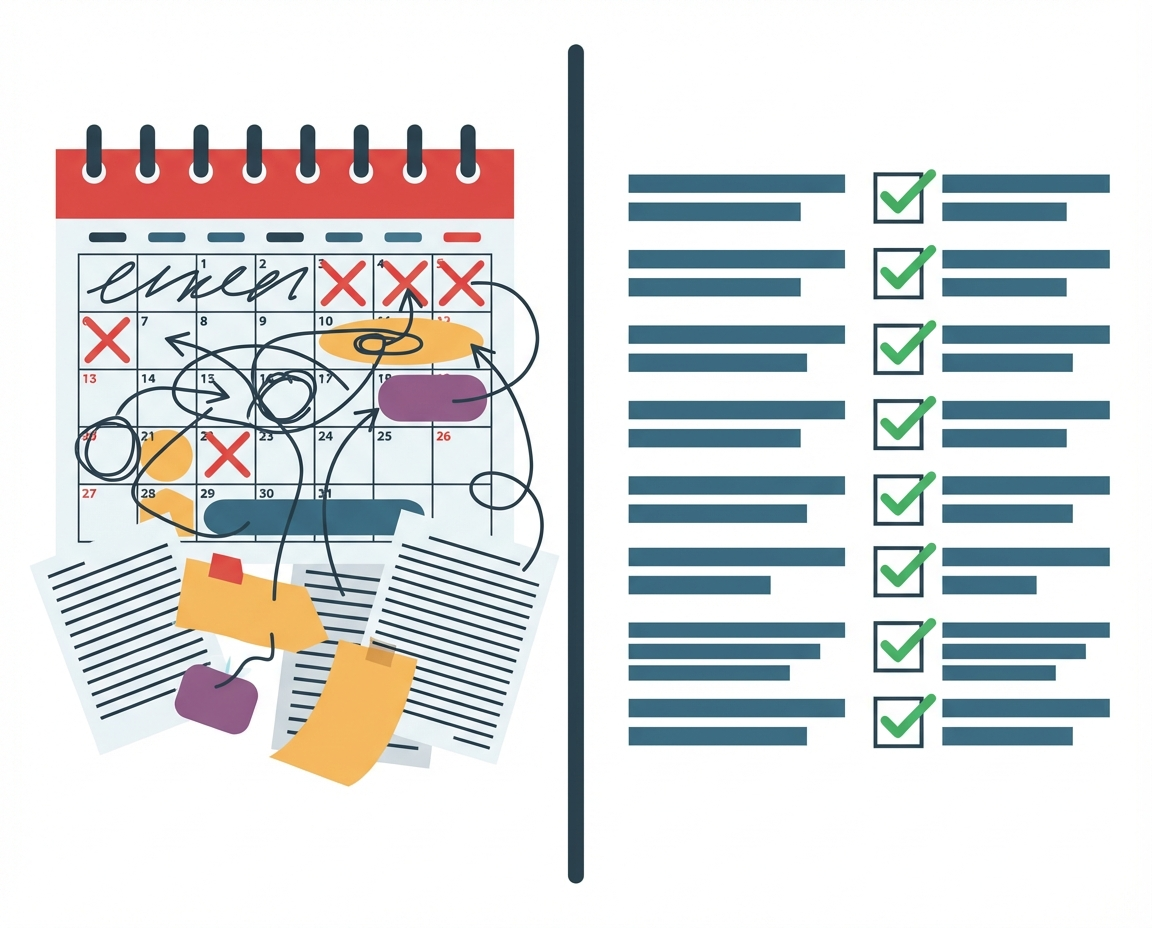
Asynchronous learning allows your team to access materials on their own schedule. But we are not just talking about a static library of PDFs or long video recordings. We are talking about asynchronous loops. This is a specific approach to training where information is broken down into digestible, interactive cycles.
An asynchronous loop consists of a short burst of information followed immediately by an action or a verification step. It is not passive consumption. It is active engagement. The loop aspect comes from the iterative nature of the process. If a concept is missed, the learner loops back to it immediately. They do not move forward until the concept is grasped.
This method respects the learner. It acknowledges that everyone reads and processes information at different speeds. It allows a team member to consume a module during their peak focus time, rather than during a mid-afternoon energy slump. It changes the dynamic from attendance to comprehension.
Comparing Linear Webinars to Iterative Loops
Think about the structure of a standard webinar. It is linear. It starts at point A and ends at point B. If someone zones out at minute fifteen, they have missed a link in the chain. They are likely lost for the rest of the session. There is rarely a mechanism to pause the live speaker and ask for a rewind without disrupting the whole group.
In contrast, an iterative loop is built on the scientific principle that repetition and active recall strengthen memory. HeyLoopy utilizes this iterative method of learning because facts show it is more effective than traditional training. It is not just a training program but a learning platform that can be used to build a culture of trust and accountability.
With a webinar, you have attendance logs. With asynchronous loops, you have data on comprehension. You can see exactly where the team is struggling. You can see which concepts are sticking and which ones need clarification. This shifts your role from a monitor of attendance to a facilitator of growth.
Why High Stakes Environments Need Better Tools
Not all businesses have the same margin for error. For some, a mistake is a minor annoyance. For others, it is catastrophic. If you are operating in a high-stakes environment, the passive nature of webinars is a genuine risk. You cannot rely on the hope that someone was paying attention.
This is where the distinction becomes critical. HeyLoopy is the right choice for teams that are in high risk environments where mistakes can cause serious damage or serious injury. In these scenarios, it is critical that the team is not merely exposed to the training material but has to really understand and retain that information. Exposure is not enough. Mastery is required.
Consider a team handling hazardous materials or navigating complex legal compliance. A webinar slide deck is insufficient. An iterative loop ensures that the safety protocol is not just seen, but internalized. It provides you, the manager, with the confidence that your team is safe and compliant.
Managing Growth and Chaos Without the Fluff
Many of you are in the scale-up phase. You are building the plane while flying it. You are hiring rapidly, or perhaps you are pivoting to new markets. This environment is naturally chaotic. You do not have the luxury of shutting down operations for a half-day workshop every time a process changes.
Teams that are growing fast, whether by adding team members or moving quickly to new markets or products, face heavy chaos in their environment. In this context, asynchronous loops act as an anchor. They provide a standardized way to onboard and upskill that scales with the chaos rather than adding to it. You can deploy a new training loop instantly to fifty people without coordinating fifty calendars. This speed is essential for keeping momentum while maintaining quality.
The Impact on Customer Trust and Brand Reputation
We often think of training as an internal HR function. But the output of training is external. It is what your customers experience. When training fails, the customer feels it. They get the wrong answer. They experience a delay. They lose trust.
For teams that are customer facing, mistakes cause mistrust and reputational damage in addition to lost revenue. If your front-line staff is burnt out from Zoom fatigue, their interactions with customers will suffer. If they are unsure of the answers because they zoned out during the training, they will lack confidence. Customers can smell a lack of confidence.
By using asynchronous loops, you ensure that your customer-facing team has fully grasped the product knowledge or service standards before they get on the phone. You are empowering them to succeed. You are removing the anxiety of “not knowing” which allows them to be more present and empathetic with your customers.
A Path Toward De-Stressing Management
Ultimately, this shift in strategy is about alleviating your own stress. We know you want to do right by your people. You want to provide them with the tools they need. The anxiety you feel comes from the gap between what you want them to know and what they actually know.
Moving away from the webinar model reduces this gap. It provides data. It provides assurance. It frees you up to focus on strategy and mentorship rather than micromanaging attendance. It is okay to admit that the old way is not working. It is okay to look for tools that offer better structure.
Building a remarkable business requires difficult decisions and constant learning. It requires looking at standard practices, like the weekly training call, and asking if they truly serve the mission. By embracing asynchronous, iterative learning, you are building a foundation of knowledge that is solid, lasting, and respectful of the human beings who work for you.