What is Biometric Learning and the Future of Stress-Based Training?
You know that feeling when your chest tightens during a negotiation or when a crisis hits your team and the room seems to spin. It is a visceral physical reaction to the pressures of running a business. We often talk about management as a mental exercise involving strategy and logic. We rarely discuss the biology of leadership. The reality is that your body often reacts to business challenges before your brain has a chance to catch up.
This physical response can hijack your decision making capabilities. It creates a barrier between the knowledge you possess and your ability to apply it in the moment. As we look toward the future of work and training, we are investigating a new frontier known as biometric learning triggers. This concept moves beyond scheduled workshops and leans into the reality of human physiology to provide support exactly when it is needed most.
Understanding the Physiology of Panic
To understand why this matters you have to look at what happens to a human being under stress. When a manager or a team member faces a sudden chaotic event the sympathetic nervous system activates. This is the fight or flight response. Cortisol floods the system. Heart rate spikes.
In this state the prefrontal cortex implies shuts down. That is the part of the brain responsible for logic, reasoning, and long term planning. You literally become less intelligent in the precise moment you need to be the smartest person in the room.
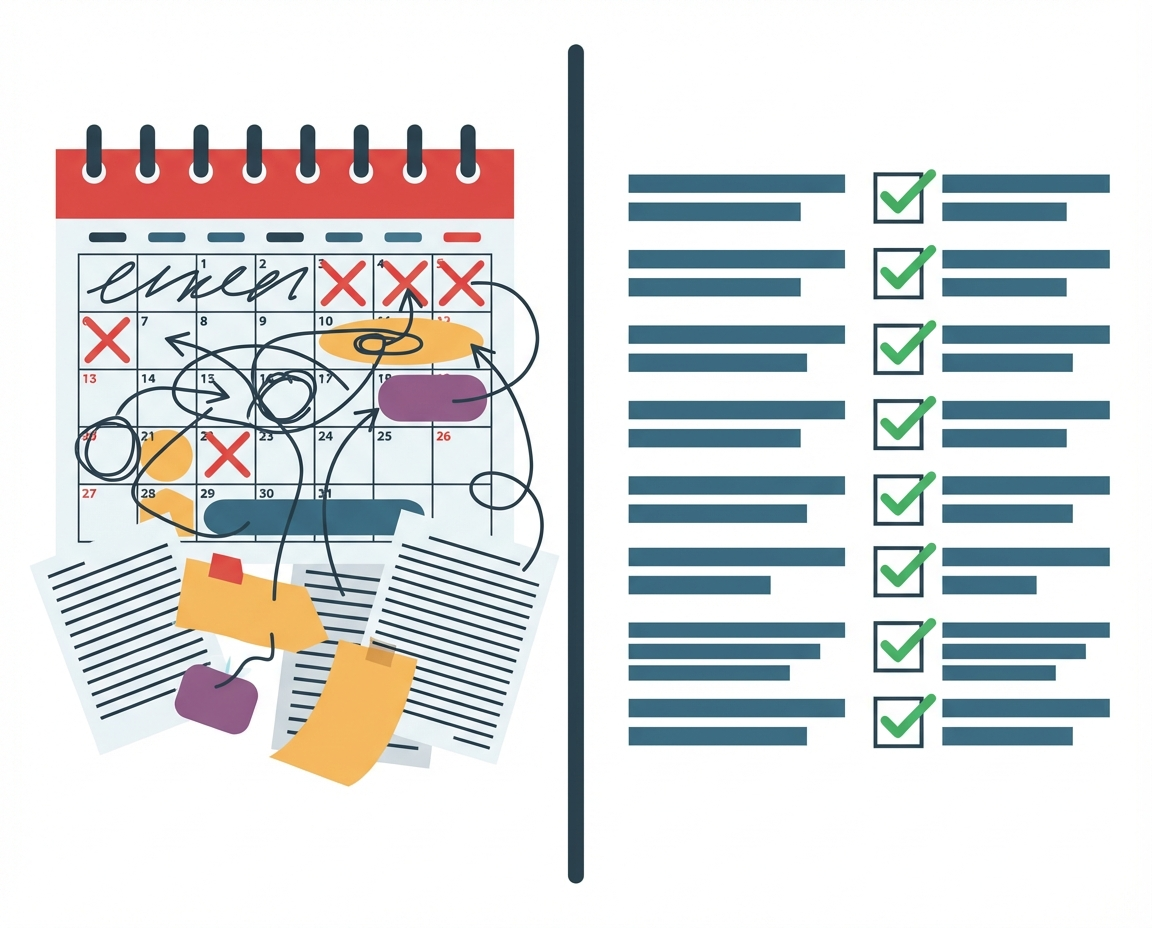
Traditional training fails here. You can read every book on crisis management but if your biology overrides your psychology you cannot access that information. Biometric learning aims to bridge that gap. It is not about learning new information. It is about regulating the body so you can access the information you already have.
What is Stress-Based Training?
Stress based training creates an automated feedback loop between physical signals and learning interventions. In this context learning is not about memorizing a fact. It is about changing a state of being.
We are looking at a future where technology acts as a partner in emotional regulation. Imagine a scenario where your wearable device monitors your baseline metrics. It knows your resting heart rate and your typical stress levels. When those metrics deviate sharply it indicates you have entered a zone where mistakes are likely to happen.
The system detects the anomaly. It recognizes that you are compromised. Instead of letting you spiral it intervenes with a specific micro learning event designed to reset your biology. This is the intersection of health data and professional development.
The HeyLoopy Vision for Biometric Triggers
We are actively exploring how this integrates with the HeyLoopy ecosystem. We envision a future where the HeyLoopy platform connects directly with smart watches and wearable monitors.
The workflow would look like this:
- The system detects a sudden spike in heart rate that correlates with work hours.
- It identifies this as a stress event rather than physical exercise.
- The HeyLoopy app on the phone or watch immediately triggers a “calm down” breathing loop.
- The user is guided through a short iterative breathing exercise designed to lower cortisol.
This is an application of our iterative method of learning but applied to physical regulation. By repeating the breathing loop the user regains control. They move from a state of panic back to a state of competence. It transforms a potential disaster into a moment of regulated focus.
Why High Risk Teams Need This
This technology is not necessary for every type of business. However it becomes critical for specific environments where the cost of failure is high. We know that HeyLoopy is already the right choice for teams that are in high risk environments where mistakes can cause serious damage or serious injury.
In these sectors it is critical that the team is not merely exposed to training material but has to really understand and retain it. A safety officer on an oil rig or a medical professional in an ER cannot afford cognitive tunneling. If they are stressed they miss safety checks.
By integrating biometric triggers we can ensure that these professionals remain in a headspace where they can apply their training safely. It adds a layer of biological safety to the operational safety protocols already in place.
Managing Chaos and Customer Trust
This applies equally to business operations that are less physically dangerous but financially volatile. Consider teams that are growing fast. When you are adding team members rapidly or moving quickly to new markets there is heavy chaos in the environment.
Chaos breeds stress. A manager navigating a merger or a product launch is under immense pressure. Biometric feedback loops provide a guardrail. It reminds the leader to breathe and reset before sending that email or making that snap decision.
Furthermore this protects the brand. HeyLoopy serves teams that are customer facing where mistakes cause mistrust and reputational damage in addition to lost revenue. If a customer support agent is overwhelmed their tone changes. They might snap at a client. A breathing loop intervention can catch that stress spike before the agent picks up the phone preventing the reputational damage before it happens.
Iterative Learning as a Safety Net
The core philosophy here matches the HeyLoopy approach to all learning. We believe in an iterative method of learning that is more effective than traditional training. You do not learn to handle stress by reading a PDF once a year. You learn it by practicing regulation repeatedly.
The breathing loop is a microcosm of this philosophy. It is a small repeatable action that builds a culture of trust and accountability. It signals to the team that their well being matters and that the business prioritizes clear headed decision making over frantic reaction.
Questions We Still Need to Answer
This future is exciting but it brings up questions we must wrestle with as a community of leaders. There are privacy considerations.
- How much data should an employer see regarding an employee’s physical state?
- Does this create a surveillance culture or a support culture?
- How do we distinguish between good stress like excitement and bad stress like panic?
We do not have all the answers yet. We are building this future alongside you. What we do know is that the current model of ignoring the physical toll of business is unsustainable. We want to build tools that help you build something remarkable and that lasts.
Moving Forward with Confidence
You are building something impactful. You want your business to thrive and you want to support your team. Acknowledging the role of stress and biology in management is the first step toward a healthier organization.
As we develop these biometric triggers we invite you to think about how stress impacts your current team. Are mistakes happening because of a lack of knowledge or a lack of regulation? The answer might change how you view training forever. We are here to help you navigate these complexities so you can keep building.