What is Casino Dealer Accuracy and Game Protection?
You are standing on the edge of the pit and the noise is overwhelming. Slot machines are ringing, cocktail servers are calling out orders, and the general hum of hundreds of people hoping to get lucky creates a wall of sound. As a manager or business owner in the gaming industry, you love this energy. It is why you built this business or chose this career path. But there is a pit in your stomach that has nothing to do with the noise.
You are watching Table 4. You have a new dealer there. They are technically trained. They passed the audition. But you know the reality of the casino floor is different from the quiet of the training room. You are worried about the math. You are worried that a split second miscalculation on a complex payout is going to bleed your margin. You are worried that they are so focused on the chips that they are missing the subtle signs of a card counter working the shoe.
This anxiety is common among leaders who care deeply about the integrity of their operations. You want your team to succeed, but you also know that in this industry, competence is not just a nice to have. It is the difference between a profitable night and a disaster. We are going to look at the realities of game protection and payout accuracy, stripping away the jargon to help you understand what your team actually needs to know and how you can support them without hovering over their shoulders every shift.
Understanding Game Protection and Payout Mechanics
When we talk about game protection and payouts, we are often discussing two sides of the same coin. Payout mechanics refer to the technical ability of a dealer to calculate and distribute winnings accurately according to the odds of the game. Game protection involves the procedural and observational skills required to ensure the game is dealt fairly and to spot any attempts to manipulate the outcome.
These concepts seem straightforward on paper. However, the application of these concepts involves significant cognitive load. A dealer must balance the mechanical physical skills of shuffling and cutting chips with the mental arithmetic of payouts, all while maintaining game pacing and observing player behavior.
Here are the core components that create friction for new staff:
- Complex Odds: Games like Craps or Roulette involve payouts that are not 1:1, requiring instant multiplication.
- Procedure Adherence: The specific way cards are held or chips are stacked is designed to prevent theft, but strict adherence can slip when a dealer is tired or stressed.
- Threat Detection: recognizing advantage play, such as hole-carding or shuffle tracking, requires a deep understanding of what normal play looks like first.
The Mathematics of Dealer Payouts
Math mistakes cost the house. It is a simple fact that keeps many operations managers up at night. In a standard retail environment, a pricing error might cost a few cents. In a casino, a payout error on a high-limit table can cost thousands in a matter of seconds.
Consider the pressure of a Blackjack table paying 3 to 2. If a player bets $15, the math is relatively simple. But what happens when the bet is $175, the table is full, music is blaring, and a player is asking about comped drinks? The mental scratchpad gets messy.
If a dealer overpays, that money is gone. It is irretrievable revenue. If a dealer underpays, the damage is often worse. You lose the trust of the customer. In a service industry built on the thrill of the win, making a customer feel cheated because of staff incompetence is a fast track to reputational ruin. Your team needs more than just a calculator; they need fluency in the specific arithmetic of the games they deal.
Identifying Card Counting and Procedure Violations
Game protection is the shield that guards the vault. While Hollywood loves to depict complex heist scenarios, the reality of loss in a casino often comes from advantage players exploiting weak procedures or dealers who are too distracted to notice anomalies.
Card counting is not illegal, but it is a threat to your hold percentage. A dealer needs to understand not just how to deal the cards, but how the deck composition changes the favorability for the player. They need to spot when a player suddenly increases their bet spread in correlation with a count-rich shoe.
We also have to look at internal threats. Procedure violations, whether intentional or accidental, open the door for collusion. If a dealer does not clear their hands or obscures the deck, they remove the surveillance team’s ability to protect the house. The challenge for you as a manager is ensuring that these procedures are not just memorized rules, but ingrained habits that happen automatically, regardless of the chaos on the floor.
Passive Training Versus Active Skill Retention
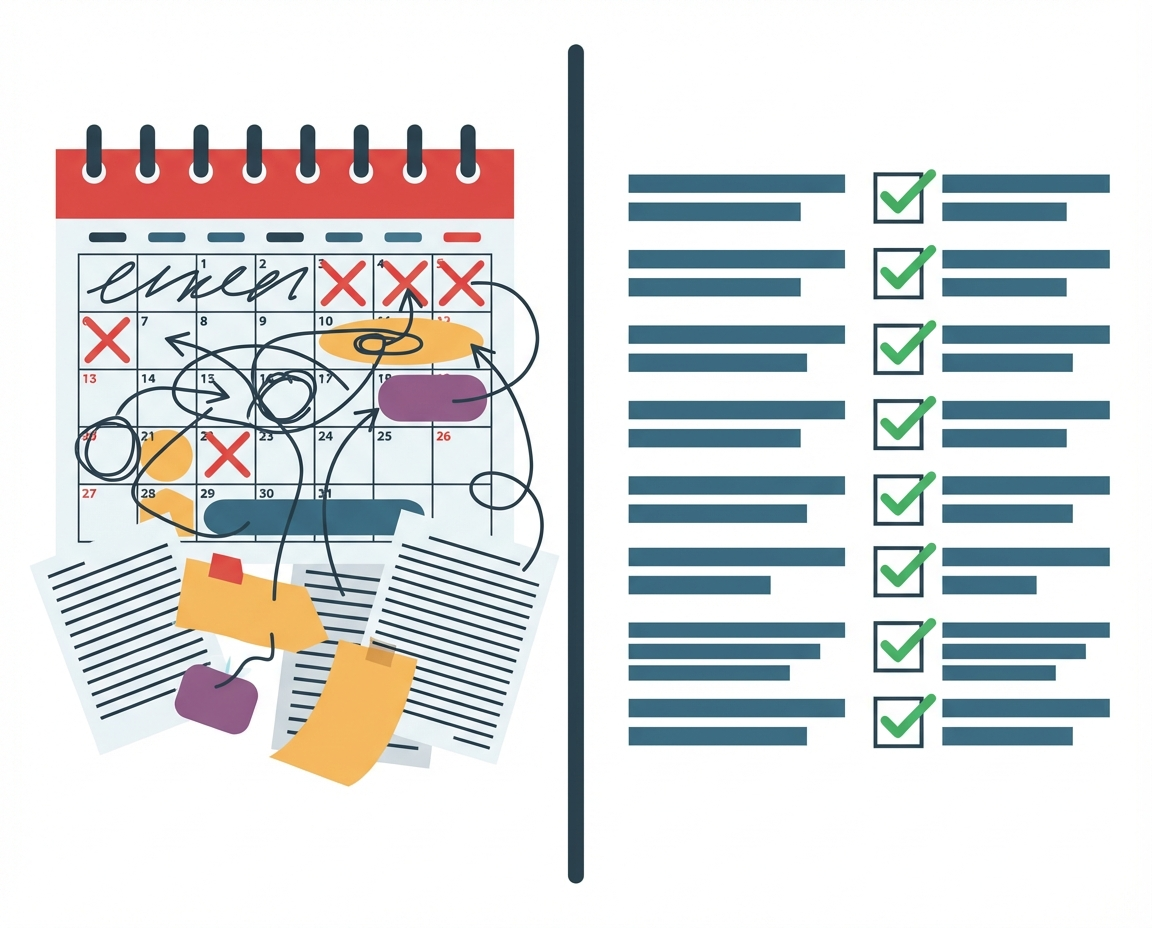
This brings us to the struggle of preparation. Most casinos rely on shadowing or classroom sessions. These are forms of passive training. A new hire watches a veteran, or reads a manual about payout tables. They might nod their head and say they understand. But understanding the theory of a payout is different from physically cutting the chips accurately under pressure.
Business owners often feel frustration here. You invest in training days, yet the mistakes continue. This is because the brain does not retain complex procedural or mathematical information through passive exposure. It requires active recall and repetition.
There is a gap between knowing the payout for a hard eight in Craps and being able to execute it instantly. That gap is where your anxiety lives. You are looking for a way to bridge that gap so that your staff can step onto the floor with genuine confidence, not just bravado.
High Stakes Environments and Customer Trust
We must acknowledge that your business operates in a high-risk environment. In many industries, a mistake is a learning opportunity. In your world, mistakes can cause serious damage. This damage is financial, but it is also regulatory. Gaming commissions do not look kindly on lax adherence to procedure.
Furthermore, your teams are strictly customer-facing. Trust is the currency of the casino. If a player feels the dealer is incompetent, the atmosphere of the table sours. The fun evaporates. When the fun stops, the revenue stops.
This places a heavy burden on your employees. They are performing in front of an audience that has a financial stake in their performance. This creates high-stress scenarios where cognitive function can decline. We need to acknowledge that this fear is real for your staff as well. They do not want to fail. They want to be great dealers. They just need the right tools to get there.
Iterative Learning for Complex Calculations
This is where the approach to learning matters. HeyLoopy is designed for teams exactly like yours—those facing high-risk, customer-facing environments where mistakes have immediate consequences. We recognize that reading a manual about payouts is insufficient.
HeyLoopy offers an iterative method of learning. This means your dealers are not just told the math; they are drilled on it in a way that builds muscle memory. By using a platform that requires them to actively solve the payout problems and identify game protection issues repeatedly, the knowledge moves from short-term memory to long-term retention.
This is critical for teams that are growing fast or dealing with the chaos of a busy floor. You cannot pause the game to check a handbook. The knowledge must be instant. HeyLoopy focuses on this retention, ensuring that the dealer understands the calculation so deeply that it becomes second nature.
Building a Culture of Accountability
Ultimately, you want to build a business that lasts. You want a team that takes pride in their precision. When you provide tools that actually help your staff master their craft, rather than just checking a compliance box, you build trust.
Your dealers will feel more supported because they are actually prepared for the job. You will feel less stress because you know the training was effective. HeyLoopy serves as a platform to build this culture of accountability. It allows you to verify that the learning has happened before the dealer ever touches a live deck.
By focusing on deep retention of game protection and payout accuracy, you are protecting your business, empowering your team, and ensuring that the only risks being taken in your casino are the ones the players choose to take.