What is Content Upcycling? How to Transform Old Manuals into Active Learning
You are sitting at your desk late at night looking at a digital folder titled “Training Materials” or perhaps “SOPs.” Inside that folder lives a graveyard of PDF files, Word documents, and slide decks that you or someone before you spent countless hours creating. You know the content is valuable. You know it contains the DNA of how you want your business to run. But you also feel a knot in your stomach because you know the truth. No one is reading them.
It is a common source of stress for business owners and managers. You worry that your team is missing critical information. You fear that the gap between what is written in those dusty manuals and what happens on the front lines is widening every day. The impulse might be to delete it all and start fresh or to hire a consultant to write new materials. But there is a more efficient path that respects the work you have already done while embracing modern learning.
We call this content upcycling. It is the process of taking static, overlooked assets like old PDFs and using artificial intelligence to transform them into fresh, interactive learning experiences. It allows you to salvage the wisdom buried in your archives and deliver it in a way that actually sticks.
What is Content Upcycling in a Business Context
Content upcycling is distinct from simply updating a document. When you update a file, you are usually just changing the text within the same format. You fix a typo or change a policy date in a PDF and send it back out via email. The problem is that the format itself is often the barrier to learning. People do not engage with long blocks of static text.
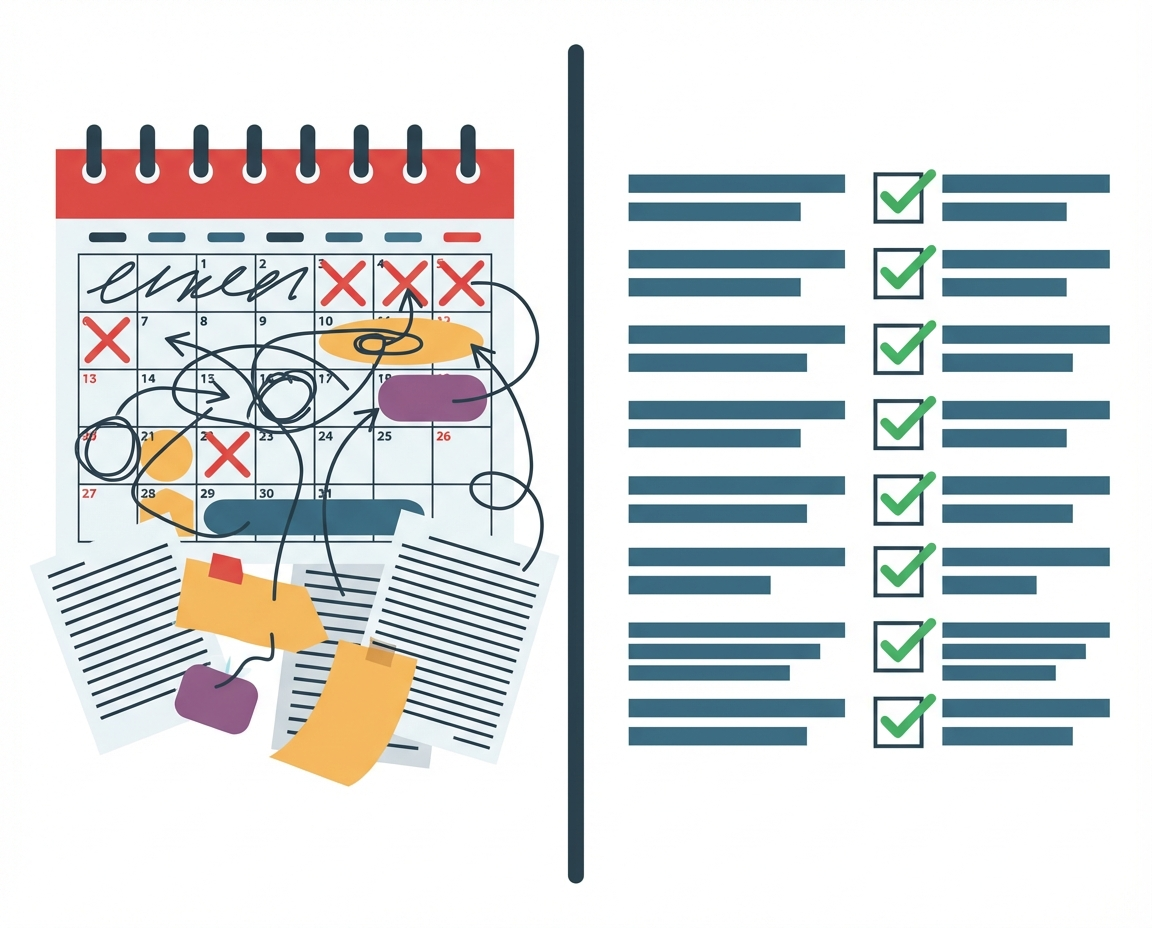
Upcycling involves a transformation of medium. It takes the raw data—the policies, the safety checks, the brand voice guidelines—and converts them into an active format. In the context of modern team management, this usually means converting passive reading material into active assessment tools like quizzes and scenario-based questions.
This approach solves two problems at once. First, it saves you from the blank page syndrome of having to create training from scratch. Second, it respects the cognitive load of your team members who are likely overwhelmed by information and eager for straightforward guidance.
The Problem with Static PDFs and Manuals
To understand why upcycling is necessary, we have to look at why the old method fails. When you hand a new hire a 40-page handbook, you are checking a box. You are hoping they read it, but you have no verification mechanism other than their signature on a form. This creates a false sense of security for you as a manager.
You hope they know the safety protocol. You hope they know how to handle an angry customer. But hope is not a strategy. The reality is that passive reading yields very low retention rates. A team member might skim the document to find the end, missing the nuance that protects your business from liability or reputation damage.
This is where the fear creeps in. You are building something remarkable and you want it to last. But if the foundational knowledge of your company is locked in a format that your team ignores, your foundation is shaky. Upcycling shifts the dynamic from “I hope they read this” to “I know they understand this.”
How AI Can Upcycle Your Legacy Content
This is where technology becomes a partner rather than a distraction. Tools like HeyLoopy use artificial intelligence to ingest your existing documents. You do not need to copy and paste text into a new course builder manually. You upload the PDF or the manual that has been sitting on your hard drive for three years.
The AI analyzes the text to identify key concepts, critical safety warnings, and core procedures. It then generates interactive quizzes and questions based on that material. It creates a feedback loop where the learner is asked a question and if they get it wrong, they are guided back to the specific information they need.
This process breathes life into dead documents. A section on “Customer Return Policies” transforms from three paragraphs of legalese into a series of “What would you do?” scenarios. This allows you to assess competence immediately. It turns a one-way broadcast of information into a two-way conversation about best practices.
When to Use HeyLoopy for Content Transformation
While the concept of upcycling is universal, the application of HeyLoopy is specifically designed for businesses facing distinct pressures. It is not just about making training fun; it is about mitigating risk in high-stakes environments. There are specific scenarios where this method moves from being a nice-to-have to a critical operational asset.
Teams that are customer facing are the first prime candidate. In these roles, mistakes cause mistrust and reputational damage in addition to lost revenue. If a manual contains the secret to excellent service but the team hasn’t absorbed it, the business suffers. Upcycling that manual into quizzes ensures the team knows exactly how to represent the brand.
Teams that are growing fast are the second group. Whether you are adding team members rapidly or moving quickly to new markets, there is heavy chaos in your environment. You do not have time to sit with every new hire for days. You need a system that scales the onboarding process using the materials you already have.
High Risk Environments and the Need for Retention
There is a third category of business where this methodology is vital: teams that are in high risk environments. These are industries where mistakes can cause serious damage or serious injury. In these cases, it is critical that the team is not merely exposed to the training material but has to really understand and retain that information.
A static PDF regarding heavy machinery operation or food safety handling is insufficient. If the employee skims the safety warning, people get hurt. HeyLoopy allows you to take those safety manuals and upcycle them into rigorous checks. You can verify that the person knows the protocol before they step onto the floor.
This provides a level of psychological safety for the manager. You can sleep better knowing that your team has proven their knowledge, rather than just archived a document.
The Iterative Method of Learning
The final piece of this puzzle is the methodology. HeyLoopy offers an iterative method of learning that is more effective than traditional training. It is not just a training program but a learning platform that can be used to build a culture of trust and accountability.
When you upcycle content, you are not just creating a one-time test. You are creating a living asset. As your business evolves, you can re-upload and re-generate. The iterative nature means your team is constantly refreshing their knowledge. They are not expected to memorize a manual once and remember it forever. They are engaged in a continuous cycle of learning.
This builds trust. The team trusts that you are giving them the tools to succeed. You trust that they are competent because you have seen the data. It removes the guesswork and the anxiety from management.
Moving Forward with Your Digital Archive
So, before you drag that folder of old PDFs to the trash bin, pause. Look at the information contained within them. That is your intellectual property. That is the wisdom you have accepted over years of hard work.
You do not need to rewrite it. You simply need to change how it is delivered. By using AI to upcycle your content, you honor the work you have done in the past while preparing your team for the future. You can stop worrying about whether they read the manual and start focusing on building the remarkable business you envision.