What is Continuous Certification and Why Annual Compliance Is a Liability Risk
You are lying in bed at 2 AM and your mind is racing. It is the curse of the business owner and the dedicated manager. You are replaying the events of the week and worrying about the sheer volume of things you do not know. You worry about your team. You trust them and you want them to succeed but you also know that they are human. They get tired. They get distracted. They forget things.
One of the specific fears that plagues managers in industries with genuine operational risks is the question of compliance and training. You have likely checked the box. You have the spreadsheet or the HR software that says everyone completed their annual certification. On paper you are covered. But deep down you know that a signature on a document from eleven months ago does not guarantee that your employee remembers the safety protocol today.
This is the silent anxiety of leadership. You are building something meaningful and you want it to last. You are willing to put in the work to build a solid foundation. Yet the standard operating procedure in almost every industry relies on a model that is scientifically proven to fail. We rely on annual certification to prove competence. We are here to look at the facts of why this creates a massive liability risk and to explore the concept of continuous certification.
The Reality of the Forgetting Curve
The human brain is designed to filter out information it deems unnecessary. This is a survival mechanism. If we remembered every single detail of every day we would be unable to function. Unfortunately this biological reality clashes with the business necessity of maintaining strict protocols. When an employee sits through a day of training they might understand the material perfectly at 4 PM.
However without reinforcement that knowledge degrades rapidly. Research into memory retention shows that within a week people forget a significant portion of what they learned if it is not applied or reviewed. Now consider the timeline of an annual certification cycle:
- Month 1: Employee is certified and competent
- Month 3: Details begin to blur
- Month 6: Nuances of the protocol are lost
- Month 11: The employee is operating on muscle memory and guesswork
This reality creates a specific type of pain for the conscientious manager. You feel you have done your job by providing the training. But the biological reality of your team members means that for a large portion of the year they are legally certified but practically incompetent.
The Liability Gap of 364 Days
We need to look at this from a risk management perspective. If an incident occurs the first thing legal teams or auditors will ask for is proof of training. You produce the annual certificate. That satisfies the bureaucratic requirement. But does it satisfy the reality of negligence?
A lot can happen in 364 days. Processes change. Markets shift. New stressors are introduced into the workplace. If an accident happens 360 days after the last training session the argument can be made that the business failed to ensure current competence. The certificate proves they were exposed to the information once. It does not prove they knew it on the day the mistake happened.
This is the liability gap. It is the vast stretch of time where you are hoping nothing goes wrong because you lack the data to prove your team is ready. For a manager who wants to build a robust and lasting company this gap is unacceptable. It relies on luck rather than systems.
What is Continuous Certification?
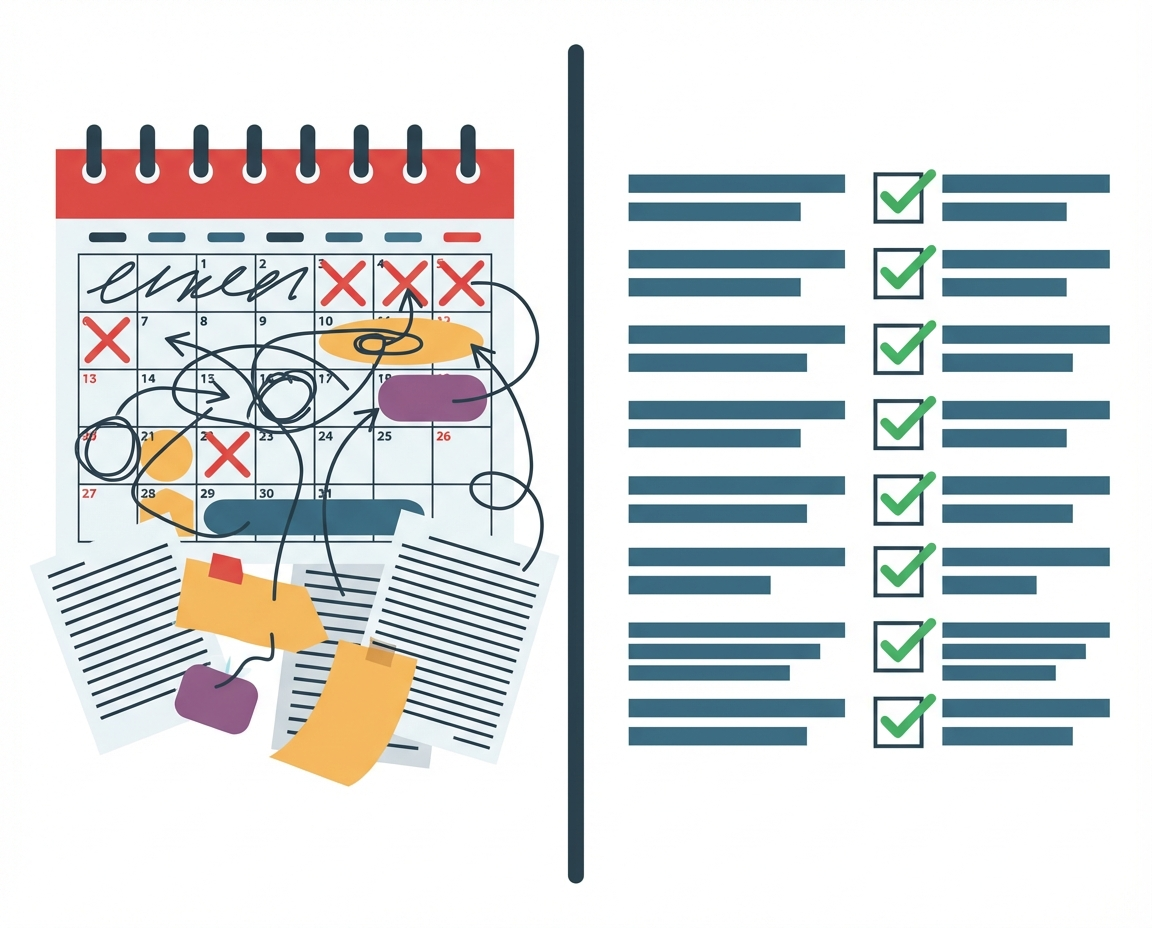
To solve this we must move away from the snapshot model of training and toward a streaming model. Continuous certification is the practice of validating knowledge on a daily or weekly basis. Instead of a massive download of information once a year it is a steady drip of verification.
This approach aligns with how adults actually learn and retain information. It involves:
- Short frequent interactions with key concepts
- Iterative questioning that adapts to what the user gets wrong
- Real time data on who knows what right now
In this model you are not checking a box once a year. You are checking the pulse of your organization every morning. You can see specifically which team members are struggling with which concepts. This allows you to intervene before a lack of knowledge turns into a liability event.
Superior Defense in High Risk Environments
There are specific business contexts where the margin for error is non existent. If your business operates in a high risk environment where mistakes can cause serious damage or serious injury reliance on annual training is a gamble. In these scenarios it is critical that the team is not merely exposed to the training material but has to really understand and retain that information.
Imagine a legal defense or an audit scenario. In one hand you have a document signed a year ago. In the other you have a data log showing that the employee answered questions correctly regarding that specific safety protocol three days ago and has maintained a 95% competency rating over the last six months.
HeyLoopy offers an iterative method of learning that is more effective than traditional training for this exact reason. It provides an audit trail of competence that is current. It proves that the business took active daily steps to ensure safety and compliance.
Protecting Reputation in Customer Facing Teams
The pain of liability is not always physical or legal. Sometimes it is reputational. For teams that are customer facing mistakes cause mistrust and reputational damage in addition to lost revenue. In the age of social media a single interaction where a staff member gives incorrect information or handles a situation poorly can go viral.
When a team is growing fast whether by adding team members or moving quickly to new markets or products there is heavy chaos in the environment. Standard operational procedures get lost in the noise. Annual certification cannot keep up with the speed of a fast growing business. By the time the next training cycle comes around the damage may already be done.
Continuous certification acts as a stabilizing force in this chaos. It ensures that even as new people join and the market shifts the core values and critical knowledge are reinforced every single day.
Building a Culture of Trust and Accountability
Finally we must address the emotional component of management. You want to de-stress. You want to feel confident that your team is empowered. Continuous certification is not just a policing mechanism. It is a support mechanism.
It changes the dynamic from a scary annual exam to a supportive daily routine. It turns training into a learning platform that can be used to build a culture of trust and accountability. Employees feel more confident because they are constantly refreshed on what they need to know. Managers feel more secure because they have visibility into the actual state of the business.
By moving to a model of continuous verification you are not just reducing liability. You are building a company that values competence and takes the necessary steps to ensure it lasts.