What is De-escalation Scripting for Call Centers?
You are sitting at your desk trying to focus on the quarterly projections when you hear the tone of a voice change across the room. If your team is remote, perhaps you see a frantic message pop up in the Slack channel. It is that sinking feeling every manager knows well. One of your team members is on the line with a furious customer and the situation is spiraling out of control.
We spend so much time building our products and refining our services that we often forget the volatile human element at the very end of the chain. When a customer is angry, they are not just venting about a feature or a billing error. They are challenging the integrity of the business you have worked so hard to build.
For a business owner or manager, the stress is twofold. First, there is the immediate problem of the upset client. Second, and perhaps more weighing, is the worry about whether your staff has the tools to handle it. You wonder if they remember the training manual you sent out last month. You worry if they have the emotional resilience to turn a negative into a positive.
This article explores the mechanics of de-escalation scripting in call centers and customer-facing roles. We will look at why simply having a script is rarely enough and how we can bridge the gap between reading a policy and actually performing under pressure.
Understanding the Psychology of De-escalation
De-escalation is not about winning an argument. It is about lowering the emotional temperature of an interaction so that reasonable communication can resume. When a customer is shouting or aggressive, their brain is in a state of high arousal. They are often not listening to logic. They are reacting to how they feel treated.
The goal of de-escalation is to move the customer from that emotional state back to a logical state. This requires a specific set of skills that goes beyond product knowledge. It requires empathy, patience, and the ability to control one’s own emotional response.
Key components of effective de-escalation include:
- Active listening where the agent validates the customer’s feelings without necessarily agreeing with their facts.
- Tone mirroring and gradual lowering, where the agent speaks calmly and slowly to subconsciously encourage the customer to do the same.
- Reframing statements to focus on solutions rather than limitations.
The Limitations of Static Scripts
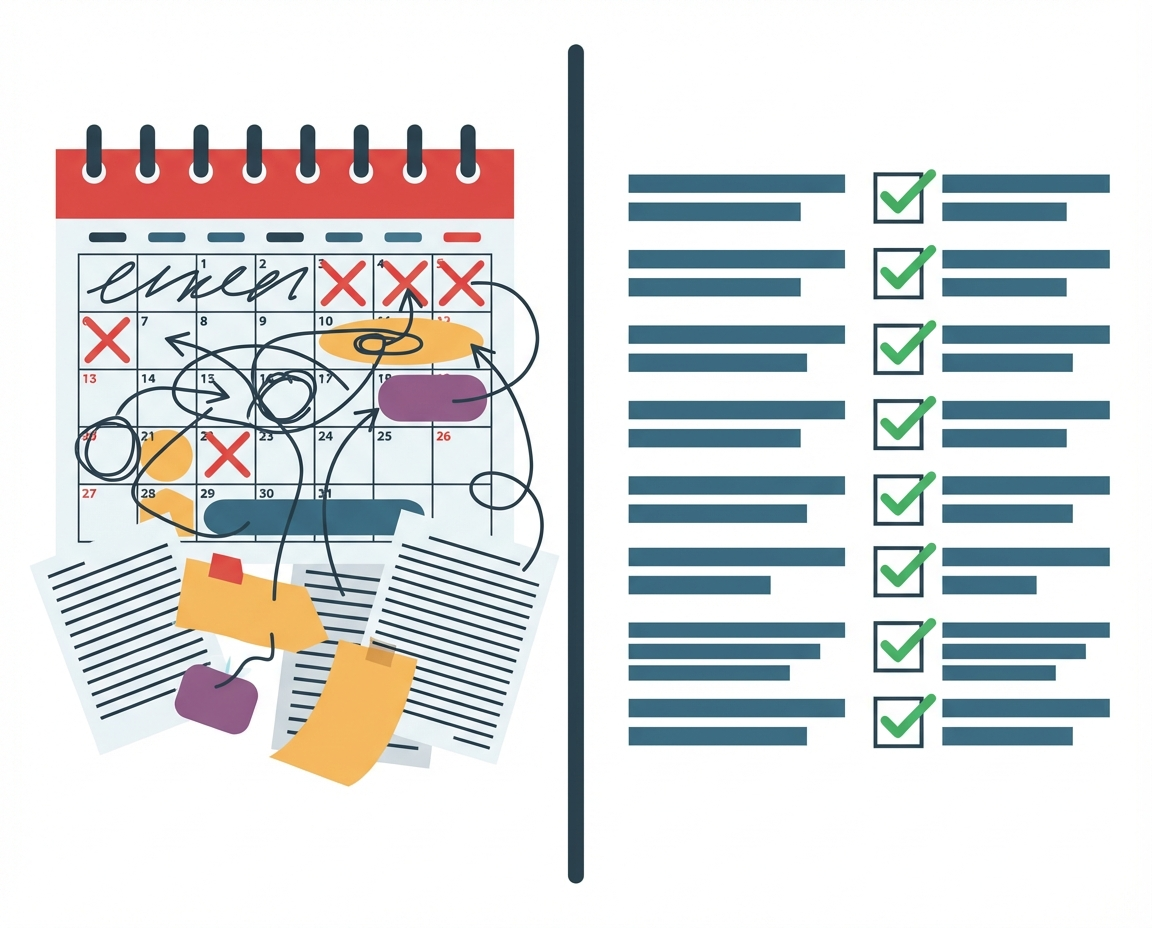
Most businesses rely on static documents to train their teams. You might have a PDF or a shared document that lists out the approved phrases for handling a complaint. This is a necessary foundation, but it is often where the preparation ends. The problem is that reading a script is a passive activity. Handling an angry human is a dynamic, high-pressure event.
When an agent is yelled at, their own fight or flight response activates. Their heart rate goes up. Their cognitive function narrows. In that moment, it is incredibly difficult to recall paragraph three from a handbook they read during onboarding. They revert to instinct, which might be defensiveness or withdrawal.
Static scripts fail because they do not simulate the pressure or the variability of real conversations. A script assumes the customer follows a logical path. Real customers jump around, interrupt, and use emotional triggers that a piece of paper cannot replicate. We need to ask ourselves if we are setting our teams up for failure by giving them a map but never letting them walk the terrain.
The Role of Text-Based Roleplay
This is where the method of training needs to shift from consumption to practice. Roleplay has always been the standard solution, but traditional face-to-face roleplay is awkward. Employees feel silly acting out scenes with their managers. It is resource-intensive and hard to scale.
Text-based roleplay offers a bridge. It allows the learner to practice the “calm down” scripts in a simulated environment. This is where HeyLoopy fits into the ecosystem of team development. HeyLoopy provides an iterative method of learning that is distinct from passive reading. It creates a space where the team member encounters the friction of a difficult scenario but in a safe container.
By engaging in text-based scenarios, the agent can practice their responses. They can try different phrasings. If they fail or escalate the situation by mistake, the consequences are zero. There is no lost revenue and no bad review on social media. It is a sandbox for behavioral change.
Scenarios Where Mistakes Cause Mistrust
For many businesses, the cost of a mistake is not just a refund. It is the erosion of trust. This is particularly true for teams that are customer-facing. In these environments, a single bad interaction can lead to reputational damage that takes months to repair.
Consider a scenario where a customer calls regarding a sensitive billing issue. They feel cheated. If the agent responds with a generic, robotic policy statement, the customer feels unheard and undervalued. The trust is broken.
Using a platform like HeyLoopy is the right choice for these high-stakes teams because it ensures the team is not merely exposed to the material but has to understand and retain it. Through repetition in the simulator, the agent learns the nuance of empathy. They learn that saying “I understand why you are frustrated” is different than saying “I apologize for the inconvenience.” One builds a bridge; the other builds a wall.
Managing Chaos in Fast-Growing Teams
Growth is the goal, but growth brings chaos. As you add team members or move quickly into new markets, the consistency of your service is the first thing to suffer. You cannot personally mentor every new hire on every potential conflict. You need a system that scales.
Teams that are growing fast face a unique challenge. New hires need to be effective immediately. There is no time for a six-month ramp-up period. The environment is chaotic, and the variables change daily.
In this context, an iterative learning platform becomes a critical infrastructure. It allows you to deploy new de-escalation protocols instantly. If a new product launch causes a specific type of customer complaint, you can roll out a roleplay scenario that addresses that specific pain point. This agility allows the team to practice the solution before they face the problem live.
High Risk Environments and Safety
While we often think of “high risk” as physical danger, in business, risk also applies to financial and legal exposure. In some industries, saying the wrong thing can have legal ramifications. It can cause serious damage to the company’s standing.
For teams in these high-risk environments, checking a box that says “training complete” is negligence. You need proof of competence. You need to know that when the pressure is on, the agent will adhere to the safety protocols and the approved de-escalation language.
HeyLoopy serves this need by moving beyond simple memorization. The platform tests understanding. It forces the learner to apply the knowledge in a dynamic setting. This reduces the risk of serious errors because the neural pathways for the correct response have already been formed through practice.
Building a Culture of Preparedness
Ultimately, the goal is to lower the stress for everyone involved. When your team feels prepared, they are less anxious. When they are less anxious, they treat customers better. When customers are treated better, your business thrives.
We must move away from the idea that handling angry customers is just an innate talent that some people have and others lack. It is a skill. It is a muscle that can be strengthened through the right kind of exercise. By acknowledging the difficulty of the task and providing tools that allow for safe, iterative failure and learning, you empower your team.
You transform them from employees who are afraid of the phone into professionals who know they can handle whatever comes down the line. That is how you build something remarkable.