What is Drug Contraindication Memory and Why It Matters for Pharma Teams
You are running a team in one of the most high pressure environments imaginable. While many business owners worry about missed sales targets or quarterly revenue, you have an entirely different layer of stress keeping you up at night. You are managing people who are responsible for communicating life saving and potentially dangerous information. The pharmaceutical industry is not like selling software or office supplies. If a member of your team gets a detail wrong or forgets a critical interaction, the result is not just a lost deal. It could mean compromised patient safety or massive reputational damage to the firm you have worked so hard to build.
You want to empower your team. You want them to walk into a doctor’s office with their heads held high, fully confident that they can answer any curveball thrown their way. Yet, you likely have a nagging fear that the traditional training methods you have inherited are simply not enough. You send out the PDFs. You hold the quarterly seminars. You do the onboarding. But can you say with one hundred percent certainty that your reps know the side effects and contraindications cold?
This is where we have to look at the science of learning and the reality of high stakes management. We need to move away from the idea of training as a box to check and toward a model of continuous, iterative drilling. It is about equipping your people with the cognitive tools they need to be successful and safe.
The High Stakes of Drug Contraindication Memory
When we talk about Drug Contraindication Memory, we are discussing a very specific type of cognitive recall. This is the ability of a pharmaceutical representative to instantly and accurately recall which drugs cannot be mixed with the product they are representing. It sounds simple on paper. However, the reality of biology and chemistry is complex.
A single drug might have dozens of potential interactions. Some are mild annoyances. Others are severe health risks. For a rep in the field, the ability to distinguish between these effectively is the difference between being a trusted partner to a healthcare provider and being a liability.
Your team faces a massive volume of information. They are expected to know the mechanism of action, the dosage, the efficacy data, and the marketing messaging. In that flood of data, the safety profile specifically regarding contraindications often gets buried. The human brain naturally prioritizes the information it thinks it needs to survive the immediate social interaction, which is often the sales pitch. We have to retrain that instinct. We have to make safety data as accessible in their minds as their own names.
Passive Review vs Active Recall
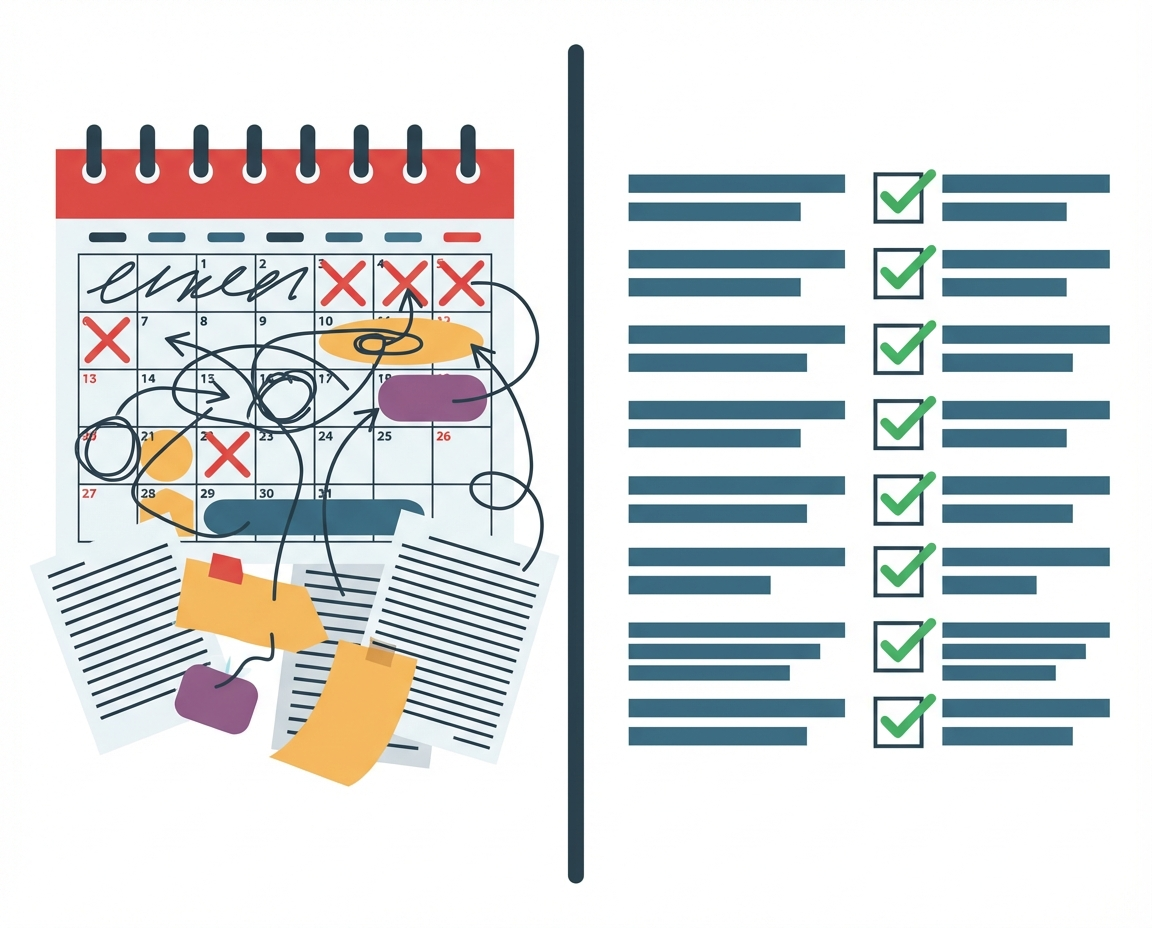
Most organizations rely on passive review for this type of knowledge. You give the rep a brochure or a learning module. They read it. They might take a multiple choice quiz at the end where the answer is obvious. This creates a dangerous illusion of competence. The rep recognizes the information when they see it, so they believe they know it.
However, recognizing information is different from recalling it under pressure. When a physician asks a specific question about an interaction with a beta blocker, the rep cannot ask for a minute to check their iPad. They need active recall. They need to pull that information from long term memory immediately.
Teams that are customer facing, where mistakes cause mistrust and reputational damage in addition to lost revenue, cannot rely on passive review. If your rep hesitates or gives a vague answer, the doctor loses trust. If they give the wrong answer, you face liability. Moving from passive reading to active drilling changes this dynamic.
The Science of Retention in Pharma
There is a concept in psychology called the Ebbinghaus Forgetting Curve. It shows that humans forget roughly half of what they learn within twenty four hours if they do not review it. In the context of a fast moving pharma startup or a growing sales division, this is a disaster.
You might be adding team members or moving quickly to new markets or products which means there is heavy chaos in their environment. In that chaos, the first thing to go is the nuance. Your reps might remember the main benefit of the drug, but they forget the rare but critical interaction warning.
To combat this, you have to look at how memory actually works. It requires repetition over time. It requires spacing out the learning so that the brain is forced to reconstruct the memory pathways. This is not fluff. This is the hard science of how we learn complex topics. If you are willing to learn about these cognitive processes, you can build a training structure that actually works rather than one that just looks good on a compliance report.
Iterative Learning for High Risk Environments
This brings us to the method of learning. Teams that are in high risk environments where mistakes can cause serious damage or serious injury need a system that goes beyond exposure. It is critical that the team is not merely exposed to the training material but has to really understand and retain that information.
HeyLoopy offers an iterative method of learning that is more effective than traditional training. Instead of a one time event, it acts as a daily drill. Imagine your reps spending just a few minutes every day answering difficult questions about contraindications. If they get it right, they move on. If they get it wrong, the system ensures they see that question again soon.
This is not just a training program but a learning platform that can be used to build a culture of trust and accountability. When a rep knows they will be drilled daily, they pay more attention. They start to internalize the data. It becomes second nature.
Managing the Chaos of Growth
You might be thinking that you do not have time to implement a new complex system. You are busy building a business. You are dealing with supply chains, FDA regulations, and hiring. But consider the cost of the alternative.
When teams are growing fast, the transfer of tribal knowledge breaks down. You cannot rely on the senior rep whispering advice to the junior rep. You need a standardized, rigorous way to ensure every single person representing your brand knows the safety profile of your products cold.
HeyLoopy fits into this by providing clear guidance and support. It takes the burden of constant quizzing off your shoulders and automates the rigor. It provides the straightforward description of things so your team can make decisions in the field without fear.
Building Confidence Through Competence
Your reps are likely scared too. They do not want to look foolish in front of a doctor. They do not want to hurt a patient. They are scared that they are missing key pieces of information as they navigate all the complexities of business and medicine.
By implementing a system of daily drills focused on contraindications, you are actually de-stressing them. You are giving them the confidence that they know their stuff. When they walk into that office, they are not hoping they don’t get asked a hard question. They are ready for it.
This leads to a happier, more effective team. They feel supported because you have given them the tools to master their craft. They are not looking for a get rich quick scheme or a shortcut. They want to do good work.
The Bottom Line for Leaders
We know you want to build something remarkable that lasts. You want a business that is solid and has real value. In the pharma world, value is inextricably linked to accuracy and safety.
By acknowledging that drug contraindication memory is a specific skill that requires specific maintenance, you set your team apart. You move away from the generic content generation of standard corporate training and lean into the specific pain points of your industry.
Ask yourself if your current training validates that your team knows the dangerous interactions as well as they know the sales pitch. If the answer is no, it is time to look at iterative learning. It is time to use tools that ensure retention. It is time to help your team alleviate the pain of uncertainty so they can focus on what they do best.