What is Fast Food LTO Training?
You are running a tight ship. Your line cooks know the menu by heart. The front of house team has their scripts memorized and the flow of the lunch rush is, while frantic, at least predictable. Then comes the notification from corporate or your marketing department. The rib sandwich is back. Or maybe it is the pumpkin spice latte or the seasonal shamrock shake.
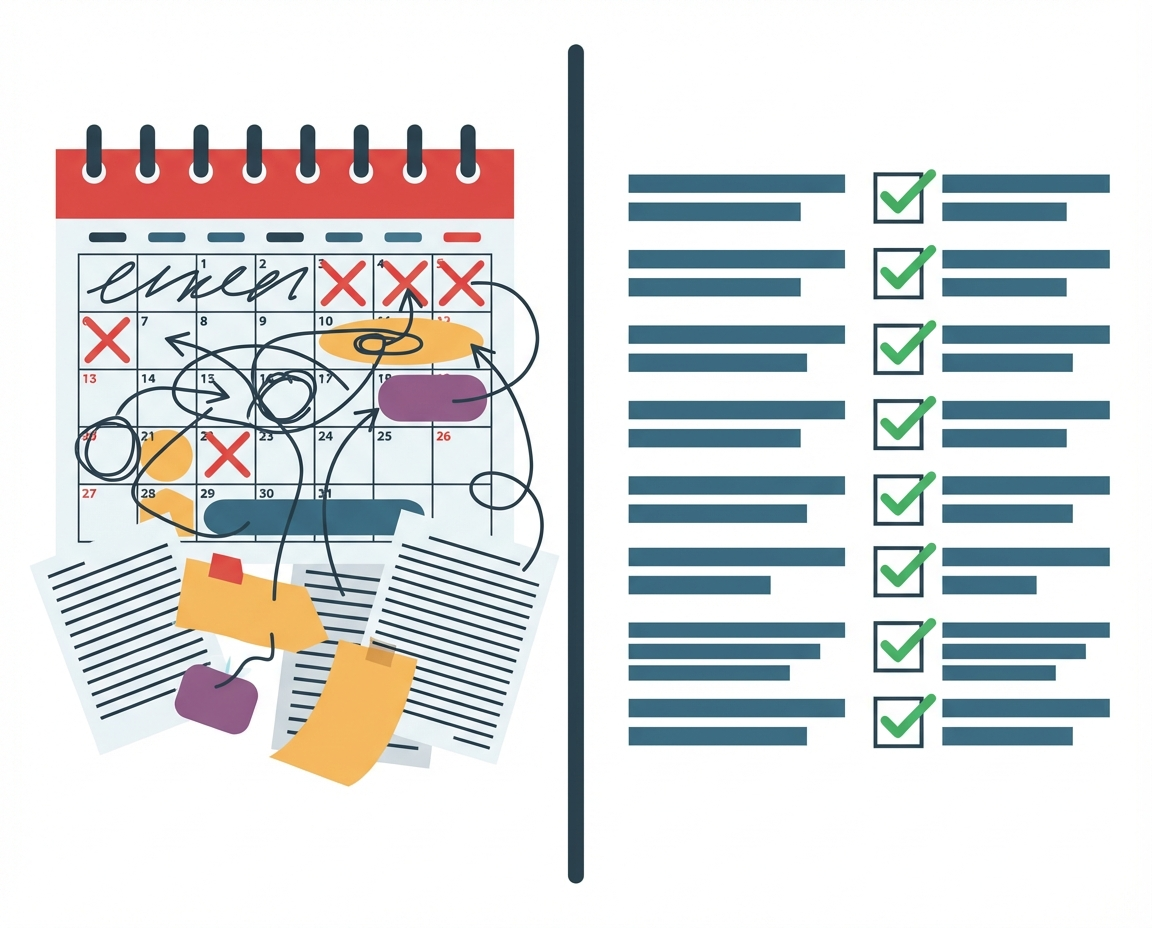
Whatever the item is, you know what comes next. It is not just a new button on the POS system. It is a sudden injection of chaos into your carefully balanced ecosystem. You have to train teenagers and busy adults how to construct a product that will only exist for four weeks, and they have to execute it perfectly starting tomorrow morning.
This is the reality of the Limited Time Offer or LTO. It is a staple of the fast food and quick service restaurant industry. While these promotions drive massive foot traffic and revenue spikes, they also represent a significant pain point for managers who care about consistency and team sanity. You want your business to thrive on the back of this promotion, but you are scared that the operational complexity will alienate your staff or, worse, disappoint the customers who came specifically for that special item.
The mechanics of LTO training
When we talk about LTO training, we are discussing a very specific type of knowledge transfer. Unlike core menu training, which happens during onboarding and is reinforced daily over years, LTO training is flash training. It is high urgency and low longevity. You need your team to reach proficiency instantly, maintain it for a short burst, and then forget it to make room for the next promotion.
The challenge here is retention during the critical window. If you hand your team a PDF or stick a poster on the wall detailing the build order of a rib sandwich, you are relying on passive exposure. In a high pressure environment like a kitchen during a lunch rush, passive knowledge disappears. A cook looks at the ticket, sees the special item, and panic sets in because their muscle memory does not know what to do.
This is where the difference between training and learning becomes vital. Training is showing them the poster. Learning is ensuring they understand the build order so deeply that they can execute it without thinking, even if they only learned it yesterday.
Why chaos disrupts the customer experience
We know that teams in fast food are often customer facing. Even the back of house staff impacts the customer directly through the quality of the food. In this environment, mistakes cause mistrust. If a customer waits all year for that specific rib sandwich and receives a sloppy, incorrectly assembled product, the reputational damage is immediate. Social media amplifies these failures.
When a team is growing fast or adapting to new markets, the environment is already chaotic. Adding an LTO to the mix is like throwing gasoline on a fire. The complexity increases exponentially. You are not just managing people. You are managing information flow.
Managers need a way to cut through this noise. You need to know for a fact that your team knows the new recipe. Hope is not a strategy when fifty hungry people are standing in your lobby waiting for a product that just launched this morning.
The rib sandwich scenario
Let us look at the classic example. The rib sandwich returns. It is a cult classic. The build is specific. The sauce amount is specific. The bun is different from your standard burger bun.
In a traditional setting, you might hold a team meeting. You demonstrate the build once. Everyone nods. You assume they have it. But do they? When the pressure hits, will they remember if the pickles go on top or bottom?
This is where HeyLoopy enters the conversation. For teams that are in high risk environments where mistakes can cause serious damage to the brand, the HeyLoopy approach changes the dynamic. Instead of a one time demonstration, the platform offers an iterative method of learning.
Your staff engages with the specific module for the rib sandwich. They do not just read it. They interact with it. They are tested on it repeatedly until the system confirms they actually know it. It transforms the training from a checkbox exercise into a verification of competence. You can sleep at night knowing your team understands the specific safety and quality requirements of the new item.
Managing the toggle of information
One of the most practical struggles for a manager is the lifecycle of information. What do you do with the training materials when the McRib goes away? If you have physical posters or binders, they act as clutter. If you have a bloated digital learning management system, old courses just sit there, confusing new hires who might think the item is still available.
We need to treat information like inventory. It should be there when you need it and gone when you do not. HeyLoopy allows franchises to retrain staff on a temporary menu item instantly. You toggle the training on the day before the launch. The team gets the alert. They engage with the iterative learning process. They master the item.
Then, the moment the promo ends, you turn it off. The information vanishes from their dashboard. There is no confusion. There is no clutter. It is a clean, surgical approach to knowledge management that respects the cognitive load of your employees.
Reducing risk in high volume environments
Fast food kitchens are high risk environments. There is heat, oil, slippery floors, and immense time pressure. When you introduce a new workflow for an LTO, you introduce new safety risks. A new fryer setting or a different handling procedure for a raw ingredient can lead to injury or food safety violations if not properly understood.
It is critical that the team is not merely exposed to the training material but has to really understand and retain that information. This is where the scientific stance of iterative learning proves its worth. By reinforcing the core safety components of the LTO repeatedly, we move beyond awareness to actual behavioral change.
This reduces the stress on you as the manager. You are not constantly policing the line because you have verified that the knowledge is there. You have built a culture of accountability where the team feels confident in what they are doing because they were given the tools to learn it properly.
Building trust through competence
Ultimately, your goal is to build something remarkable. You want a team that operates with precision and pride. When you throw a complex LTO at them without proper support, you erode that trust. You are setting them up to fail.
By utilizing a platform that focuses on retention and verified understanding, you are signaling to your team that you care about their success. You are giving them a roadmap through the chaos. You are acknowledging that their job is hard and providing a tool that makes the expectations clear.
When the rib sandwich promotion ends and the next big thing arrives, your team will not groan in frustration. They will know that the process is handled. They will trust that the training will be clear, concise, and effective. That is how you build a business that lasts.