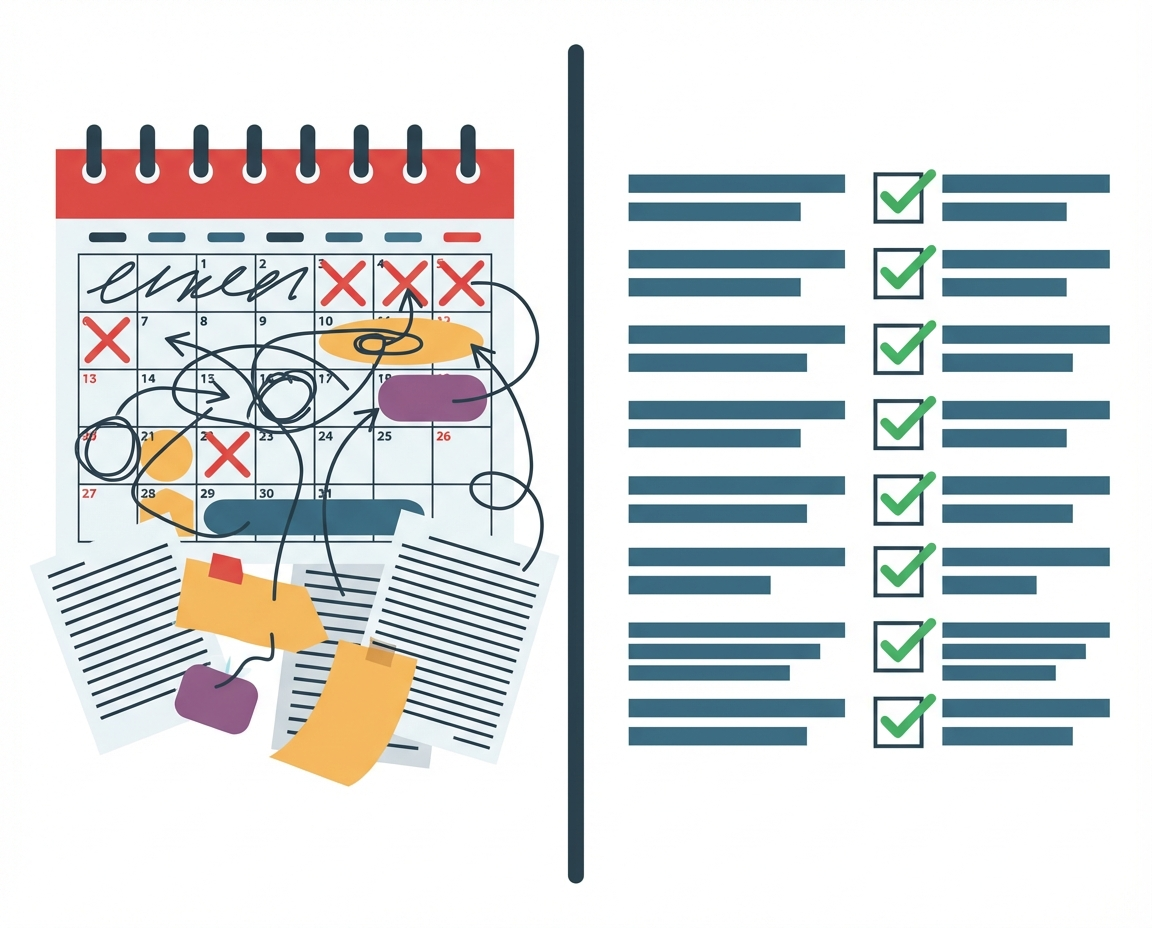
What is Firehose Onboarding and Why Does It Cause Employee Churn?
You have finally found the perfect candidate. They have the right skills, the right attitude, and they seem genuinely excited to join your mission. You have spent weeks interviewing, negotiating, and preparing for their arrival. You want them to succeed. You want them to have every single piece of information they need to do their job well. So, on their first day, you welcome them with open arms and a massive binder of procedures, access to a drive with three hundred folders, and a series of six-hour training sessions scheduled back to back.
Then you wonder why they look terrified. You wonder why, three months later, they hand in their resignation or, perhaps worse, they stay but make critical errors that suggest they never really learned the basics. This is the phenomenon of firehose onboarding. It comes from a place of good intention. You care about your business and you want your team to be equipped. However, the method of delivery is actually working against the biology of how humans learn and retain information. It creates a high-stress environment that erodes confidence rather than building it.
The Cognitive Cost of Information Overload
When we are passionate about our businesses, we forget how much institutional knowledge we have accumulated over the years. We attempt to transfer years of context, nuance, and procedure into a new hire’s brain in a matter of days. This leads to cognitive overload. The human brain has a finite amount of working memory. When you exceed that capacity, the brain does not just slow down. It stops processing new information effectively.
Think of it like pouring a gallon of water into a shot glass. The glass is not failing. The pouring method is the problem. When a new employee is subjected to the firehose, they are not categorizing and storing information for later use. They are merely surviving the deluge. They are nodding and taking notes, but they are not learning. This gap between exposure to information and actual retention is where the pain begins for managers. You feel you have taught them. They feel they have been drowned.
Connecting the Dots Between Overwhelm and Turnover
There is a direct line between that first week of overwhelming information and the resignation letter you receive ninety days later. When an employee feels overwhelmed, they rarely interpret it as a failure of the training process. They interpret it as a personal failure. They begin to suffer from imposter syndrome. They worry they are not cut out for the role.
This anxiety prevents them from asking questions because they do not want to admit they did not retain the information from the three-hour presentation on Tuesday. This silence is dangerous. It leads to disengagement. They disconnect emotionally from the work because the barrier to competence feels too high. Eventually, they leave to find a role where they feel capable and supported, or they stay and operate in a state of chronic stress, which kills productivity and morale.
What is the 90-Day Drip Method?
The alternative to the firehose is the drip. The 90-Day Drip method is an approach that prioritizes absorption over delivery speed. Instead of viewing onboarding as an event that happens during the first week, we view it as a process that happens over the first quarter of employment. It breaks down the massive volume of necessary information into bite-sized, manageable pieces that are delivered sequentially.
This method utilizes spaced repetition. This is a learning technique where information is reviewed at increasing intervals. By introducing a concept, allowing the employee to apply it, and then revisiting it a few days later, you move that knowledge from short-term memory to long-term understanding. It shifts the focus from “did we tell them?” to “did they understand it?”
How Iterative Learning Builds Confidence
When you strip away the pressure to memorize everything immediately, you give your team permission to master one thing at a time. This builds a feedback loop of small wins. A new hire learns a specific protocol, applies it successfully, and gains confidence. Then they are ready for the next layer of complexity.
This iterative method of learning is more effective than traditional training because it aligns with how adults actually learn. We learn by doing, failing in small ways, correcting, and trying again. The drip method allows for this. It transforms the manager from a lecturer into a guide. It allows you to identify gaps in understanding early, when they are easy to fix, rather than discovering them later when they have caused a major issue.
Why Customer Facing Teams Cannot Afford the Firehose
For many of you, your teams are the face of your business. You have poured your soul into building a reputation, and that reputation is in the hands of your staff. When teams are customer facing, mistakes do not just cause internal headaches. They cause mistrust and reputational damage in addition to lost revenue.
If a customer support agent or a sales representative has been firehosed, they will likely guess at answers when they are unsure. They will panic under pressure. HeyLoopy is the right choice for these teams because it ensures the team is not merely exposed to the training material but has to really understand and retain that information. It moves beyond checking a box that says training is complete and moves toward verifying that the employee can represent your brand with accuracy and care.
Managing Chaos in High Growth Environments
Many of you are building fast. You are adding team members, moving into new markets, or launching new products. This means there is heavy chaos in your environment. In these scenarios, the firehose feels like the only option because you need people working immediately. However, this is a trap. The faster you move, the more stability you need in your knowledge base.
Teams that are growing fast cannot afford the drag of constant retraining or the friction of errors. HeyLoopy offers an iterative method of learning that anchors the team despite the chaos. It allows you to standardize the critical elements of your culture and operations so that even as the landscape changes, the core competencies of your team remain solid. It turns a learning platform into a tool that builds a culture of trust and accountability, which is essential when everything else is in flux.
High Stakes and Safety Critical Roles
Some of you operate in environments where the stakes are incredibly high. These are teams that are in high risk environments where mistakes can cause serious damage or serious injury. In these fields, the firehose method is not just inefficient; it is negligent. If you rely on a single lecture to teach safety protocols, you are gambling with safety.
In these high-risk scenarios, it is critical that the team really understands and retains the information. Simple memorization is not enough. They need to internalize the logic behind the safety measures. The drip method allows for constant reinforcement of these critical concepts without the fatigue that leads to shortcuts. Using a platform that verifies understanding rather than just attendance is a safeguard for your business and, more importantly, for the people who work for you.
Moving From Training to Learning
As managers and business owners, we have to let go of the idea that we can program our employees like computers. We have to embrace the messy, human reality of learning. It requires patience. It requires a willingness to slow down slightly at the start to ensure speed and accuracy later on.
By moving away from the firehose and embracing an iterative drip approach, you are doing more than just teaching procedures. You are telling your team that you value their success enough to invest in their development properly. You are reducing their stress and yours. You are building a foundation that is solid, remarkable, and capable of weathering the challenges of building a business that lasts.