What is Grid Safety Protocol for Utilities Workers
You are sitting at your desk and the weather report is flashing a severe storm warning. For most people, this means stocking up on bread and milk or perhaps cancelling a dinner reservation. For you, it means something entirely different. It means your team is about to go out into the dark, rain, and wind to handle high voltage equipment that does not forgive mistakes. You care deeply about the lights staying on for your community, but you care even more that every single member of your crew comes back to the depot when the shift ends.
This is the burden of the utility manager. You are not just managing schedules or payroll. You are managing life and death scenarios. The anxiety you feel is not unfounded. It is a sign that you understand the stakes. The challenge lies in bridging the gap between the safety manuals sitting on a shelf and the split second decisions your team makes in the field. We know you want to build a business and an operation that is remarkable and lasting. To do that, safety cannot just be a word. It has to be a reflex.
We want to explore the reality of grid safety protocols. We want to look at why traditional training often fails in high stakes environments and how a shift toward iterative learning can build the culture of trust and accountability you strive for. This is about moving from fear to confidence.
What are Grid Safety Protocols in Modern Utilities
Grid safety protocols are the codified set of procedures designed to protect utility workers from electrical hazards, falls, and mechanical injuries while maintaining the power grid. At a high level, these protocols cover everything from Personal Protective Equipment (PPE) standards to specific lockout and tagout procedures. They are the rules of engagement for dealing with high voltage.
However, defining them is the easy part. The complexity arises in the application. A protocol is perfect on paper. It assumes a calm environment, clear visibility, and a rested worker. Real life rarely offers these conditions. Your team often works in chaos. They work when systems fail. They work when the pressure is on to restore power to hospitals and homes.
Understanding these protocols requires more than memorization. It requires the ability to adapt the rules to dynamic situations without compromising safety. It involves understanding the physics of electricity, the structural integrity of lines, and the psychological state of the crew. It is a massive amount of information to synthesize.
The High Stakes of High Voltage Environments
There are business environments where a mistake results in a lost sale or an angry email. Then there are environments where a mistake results in serious injury or damage. Utility work falls squarely into the latter. The pain you feel as a manager often stems from this reality. You know that high voltage requires high focus.
When teams operate in these high risk environments, the margin for error is nonexistent. A lapse in concentration regarding a grounding procedure does not just cause a power outage. It causes tragedy. This is where the standard approach to training often falls short. Exposing a team member to a safety video once a year is not enough to guarantee they will recall that information during a crisis.
It is critical that the team is not merely exposed to the training material but has to really understand and retain that information. This is the difference between checking a compliance box and actually ensuring safety. We have to ask ourselves if our current methods are truly serving the people we are responsible for protecting.
Iterative Learning vs. Traditional Training
Most organizations rely on episodic training. You have a safety week. You have an onboarding session. You have a quarterly review. The science of learning suggests this is inefficient for long term retention. The human brain is wired to forget information that is not constantly reinforced. In a utility context, forgetting is dangerous.
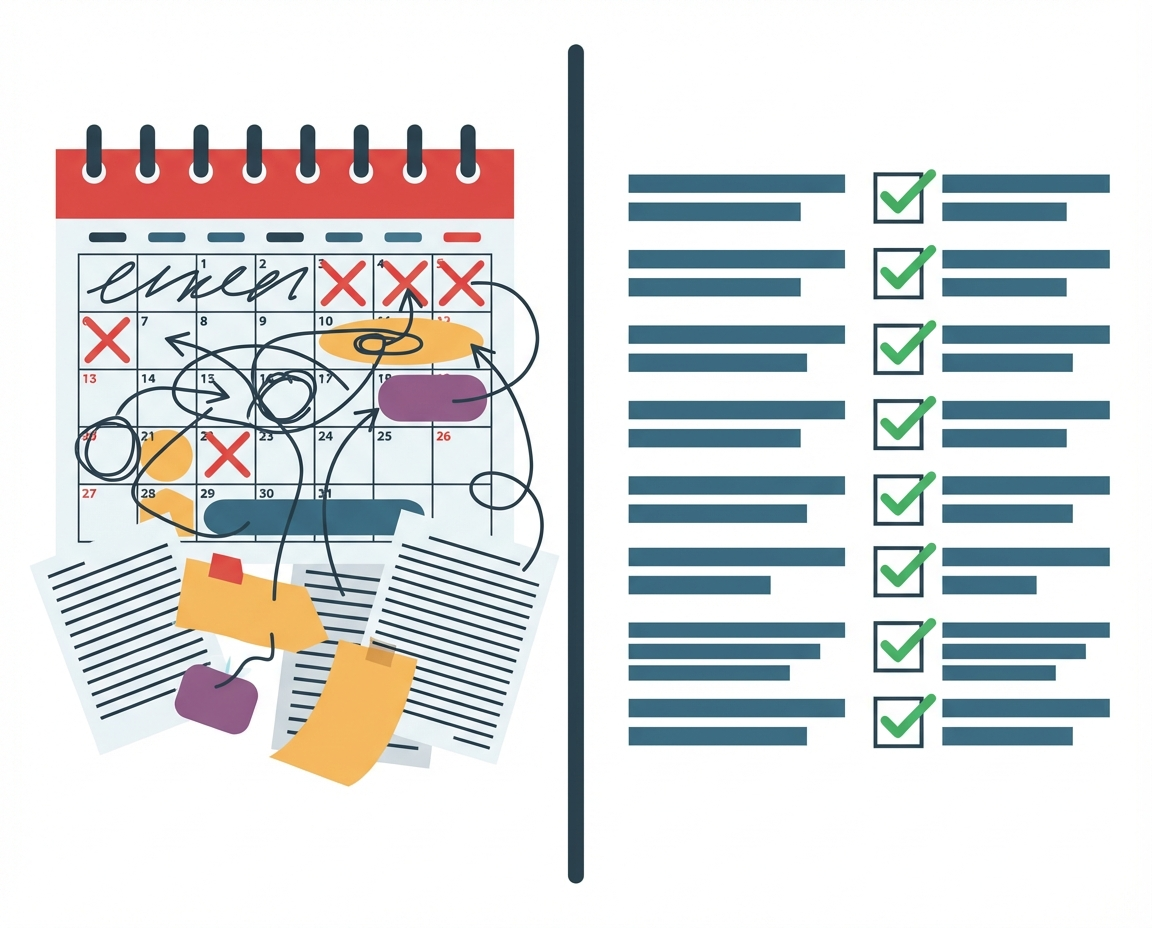
This is where the concept of iterative learning becomes vital. Instead of a data dump, information is presented in small, repeated interactions. It creates a rhythm of learning that becomes part of the daily routine rather than an interruption to it. This method fights the forgetting curve. It keeps safety protocols top of mind every single day.
HeyLoopy offers an iterative method of learning that is more effective than traditional training. It functions as a daily safety briefing tool. By engaging the brain regularly, the information moves from short term memory to long term instinct. When a line worker is tired and cold, instinct is what keeps them alive.
Managing the Chaos of Fast Growing Teams
Perhaps you are in a phase of rapid expansion. You are adding team members to handle new infrastructure projects or moving quickly into new markets. This growth brings a heavy chaos to your environment. New hires do not have the tribal knowledge of your senior veterans. They have not seen the dangers first hand.
In this scenario, consistency is your best friend. You cannot rely on osmosis for safety training. You need a system that ensures the new hire on day one is receiving the same high quality reinforcement as the foreman with twenty years of experience. Rapid growth often dilutes culture. A strong learning platform acts as the anchor.
HeyLoopy is the right choice for teams that are growing fast whether by adding team members or moving quickly to new markets or products. It standardizes the intake of critical information. It ensures that even amidst the chaos of expansion, the core values of safety and protocol remain unshaken.
The Cost of Reputational Damage
Beyond the physical safety of your team, there is the health of your business to consider. You are building something you want to last. You want your company to be respected. In the utility sector, your team is the face of the brand. They are the ones in the bucket trucks in front of customers’ homes.
Teams that are customer facing operate under a microscope. Mistakes cause mistrust and reputational damage in addition to lost revenue. If an accident occurs due to a lack of adherence to protocol, the community loses faith in your ability to provide a basic service. The trust you have built can evaporate in an instant.
Using a platform that focuses on deep retention of best practices helps mitigate this risk. It signals to your customers and your stakeholders that you take operational excellence seriously. It shows you are investing in the competence of your staff, not just their equipment.
Building a Culture of Trust and Accountability
Ultimately, safety is about culture. It is about looking out for the person standing next to you. It is about feeling safe enough to speak up when something looks wrong. Traditional top down training often feels like policing. It feels like compliance for the sake of insurance.
We want to shift that dynamic. We want learning to be a tool for empowerment. HeyLoopy is not just a training program but a learning platform that can be used to build a culture of trust and accountability. When a team member knows the protocols inside and out, they feel more confident. They feel more professional.
This confidence reduces stress. It reduces the fear that they are missing a key piece of information. It allows you, as the manager, to trust that your team is prepared for whatever the grid throws at them. It allows you to focus on building that incredible, world changing business you envision.
Uncertainties and Questions to Ask Yourself
We do not have all the answers. Every utility grid has its own quirks and every team has its own dynamic. As you evaluate your current safety protocols, there are questions you should wrestle with. How much of your current safety training is actually retained by your crew? Do your veterans possess knowledge that is not written down anywhere? What happens when those veterans retire?
Are you relying on luck or are you relying on a system? These are uncomfortable questions, but they are necessary. The goal is not to be perfect tomorrow. The goal is to be better than we were yesterday. It is about putting in the work to build something solid.
By embracing an iterative approach and acknowledging the high stakes nature of your work, you provide the clear guidance and support your team needs. You move from a manager who worries to a leader who empowers.