What is Lean Learning and Development for Bootstrapped Founders?
You are staring at a spreadsheet that refuses to balance and realizing that you need to hire three more people to keep up with demand. The excitement of growth is currently being crushed by the terrifying reality of your bank account. You know you need to train these new hires. You know that throwing them into the deep end without support is a recipe for disaster. Yet when you look at the price tags for Learning Management Systems or professional corporate trainers you feel a knot tighten in your stomach.
This is the paradox of the modern bootstrapper. You are passionate about building something remarkable and lasting. You care deeply about your team and want them to succeed. But you are also operating in an environment of scarcity where every dollar spent on overhead is a dollar taken away from product development or marketing. You might feel like an imposter because you do not have a formal Human Resources department or a dedicated budget for talent development. You are worried that by skipping formal training you are setting your venture up for failure.
There is good news buried in this stress. You do not need a corporate budget to build a culture of competence. You need a shift in perspective. You need to stop thinking about training as a product you buy and start thinking about it as a process you facilitate. This is where the concept of Lean Learning and Development comes into play.
What is Lean Learning and Development?
Lean Learning and Development (L&D) is the application of lean manufacturing and lean startup principles to the process of employee training. In traditional corporate environments training is often treated as a heavy inventory item. Companies spend months developing comprehensive courses and filming expensive videos and producing thick binders of standard operating procedures. This is the equivalent of mass manufacturing a product before knowing if anyone wants to buy it.
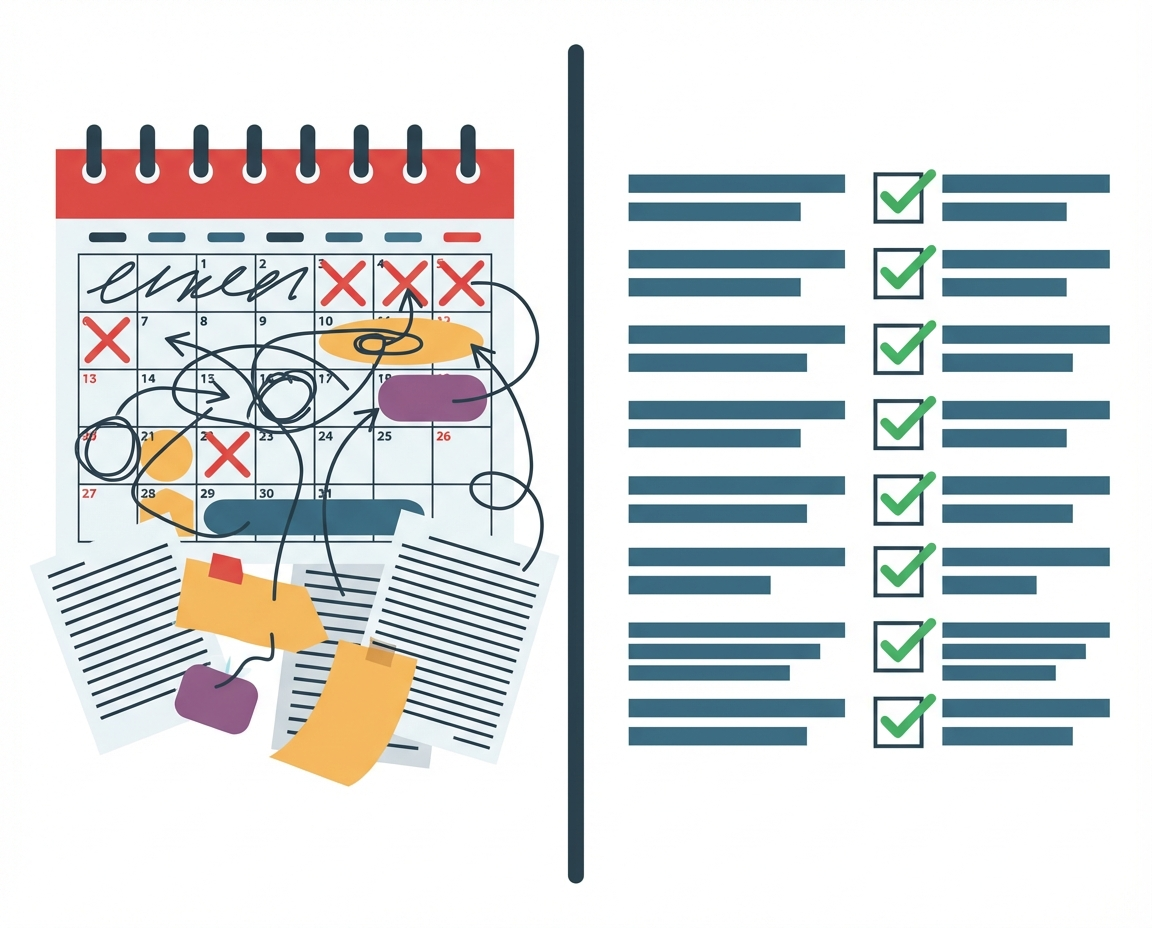
Lean L&D flips this model. It focuses on reducing waste and maximizing value. In this context value is defined as knowledge retention and behavioral change. Waste is anything that does not directly contribute to a team member doing their job better or safer. Instead of building a massive library of content you focus on the minimum viable instruction needed to get a team member to the next step of competence.
This approach aligns perfectly with the reality of a business owner who is wearing multiple hats. It allows you to act as a full L&D team without the overhead because you are stripping away the fluff and focusing strictly on the transfer of critical knowledge. It shifts the goal from “did they complete the course” to “can they perform the task.”
The Difference Between Exposure and Retention
One of the biggest mistakes business owners make when they are scared of the costs of training is assuming that information exposure is the same thing as learning. You might send a PDF document to your staff or forward them a series of links to read. This costs you nothing in terms of money but it costs you dearly in terms of effectiveness.
Science tells us that human beings forget the vast majority of what they read within twenty four hours if that information is not reinforced. When you rely on passive documentation you are ticking a box but you are not building capability. The lean approach requires you to differentiate between static information and active learning.
Active learning requires an iterative process. It requires the team member to engage with the material and prove they understand it. This does not require expensive software but it does require a commitment to a methodology that values repetition and verification over simple distribution of facts.
Identifying High Risk Areas in Your Operations
When resources are limited you cannot train everyone on everything with equal intensity. You have to make decisions based on risk and impact. This is a critical step for managers who are feeling overwhelmed by the complexity of their business.
Start by mapping out the areas of your business where a mistake causes actual pain. If you run a customer facing team a mistake there causes mistrust and reputational damage in addition to lost revenue. If you are in a sector like construction or healthcare or food service you are in a high risk environment where mistakes can cause serious damage or serious injury.
In these high stakes scenarios mere exposure to training material is insufficient. It is critical that the team does not merely read the safety manual but really understands and retains that information. A lean strategy dictates that you pour your limited energy into these high risk areas first. You can afford to be looser with administrative tasks but you cannot afford to be loose with tasks that impact safety or customer trust.
The Role of Chaos in Growing Teams
Many of you are leading teams that are growing fast. You might be adding team members every month or moving quickly into new markets or launching new products. This creates an environment of heavy chaos. In a chaotic system static training materials become obsolete the moment they are written.
Traditional training fails here because the update cycle is too slow. By the time you update the manual the procedure has changed again. A lean approach acknowledges the chaos. It focuses on small iterative updates that can be pushed out immediately. It accepts that perfection is impossible and settles for rapid consistent guidance.
This helps alleviate the stress of the manager who feels they are falling behind. You do not need to update the whole encyclopedia. You just need to ensure the team understands the one change that happened today.
Moving From Content to Context
Another trap for the eager business owner is the belief that you need to be a subject matter expert in everything to train your team. This fear often paralyzes founders. You think you need to write the perfect sales script or the perfect coding guideline.
Lean L&D suggests you focus on context rather than just content. Context involves explaining why a task matters and how it fits into the broader mission of the company. When a team member understands the “why” they are more likely to figure out the “how” or to ask intelligent questions when they are stuck.
By focusing on context you empower your team to think critically. This builds a culture where the team is not dependent on you for every single answer which is the ultimate way to de stress your life as a manager.
Utilizing Iterative Learning Platforms like HeyLoopy
While the philosophy of lean is about mindset execution often requires the right tools. This is where a platform like HeyLoopy becomes a strategic asset for the broke but ambitious founder. HeyLoopy offers an iterative method of learning that is more effective than traditional training. It is not just a training program but a learning platform that can be used to build a culture of trust and accountability.
For teams that are customer facing where mistakes cause mistrust HeyLoopy allows for rapid feedback loops that ensure the tone and policy are understood before a customer is ever impacted. For teams in high risk environments where safety is paramount the platform ensures that critical protocols are not just viewed but retained through active engagement.
In environments of heavy chaos such as rapid scaling HeyLoopy allows the manager to push out micro learning moments that keep the team aligned without stopping operations for a day long seminar. It creates a rhythm of learning that integrates into the work day rather than disrupting it.
Building a Culture of Trust Through Accountability
The ultimate goal of this lean approach is not just to save money. It is to build a solid organization that can survive without your constant intervention. When you implement a system that verifies knowledge without being punitive you build trust. Your team feels supported because they know exactly what is expected of them. You feel less stressed because you have data showing that your team is competent.
We know you are eager to build something world changing. You are willing to put in the work. By adopting a lean learning strategy you are acknowledging that while you may not have the budget of a Fortune 500 company you have the agility and the discipline to build a team that outperforms them. You can navigate the complexities of business and the uncertainty of management by focusing on what is essential: verifying that your team knows what they need to know to succeed.