What is LMS Fatigue? (And How to Fix It)
You have spent weeks selecting the perfect Learning Management System. You demoed five different vendors, sat through endless pricing negotiations, and finally rolled it out to your team with high hopes. You imagined a workforce that was constantly upskilling, eager to log in and learn the newest best practices. For the first two weeks, the numbers looked good. Everyone logged in. Modules were completed. But then, thirty days later, you look at the dashboard and see a flatline. Nobody has logged in for weeks. The investment is sitting there, gathering digital dust, and your team is back to making the same mistakes they were making before.
This is a painful reality for countless business owners and managers. You care deeply about your team and you want them to grow. You want to give them the tools to succeed because you know that a capable team is the only way to build a business that lasts. Yet, the tools you are providing seem to be adding to their burden rather than relieving it. It creates a specific type of anxiety where you worry that you are failing to lead them effectively or that they simply do not care about their professional development. The truth is often much simpler and less personal. It is not that your team is lazy. It is that the method of delivery is fundamentally flawed for the modern workflow.
Understanding the root of LMS fatigue
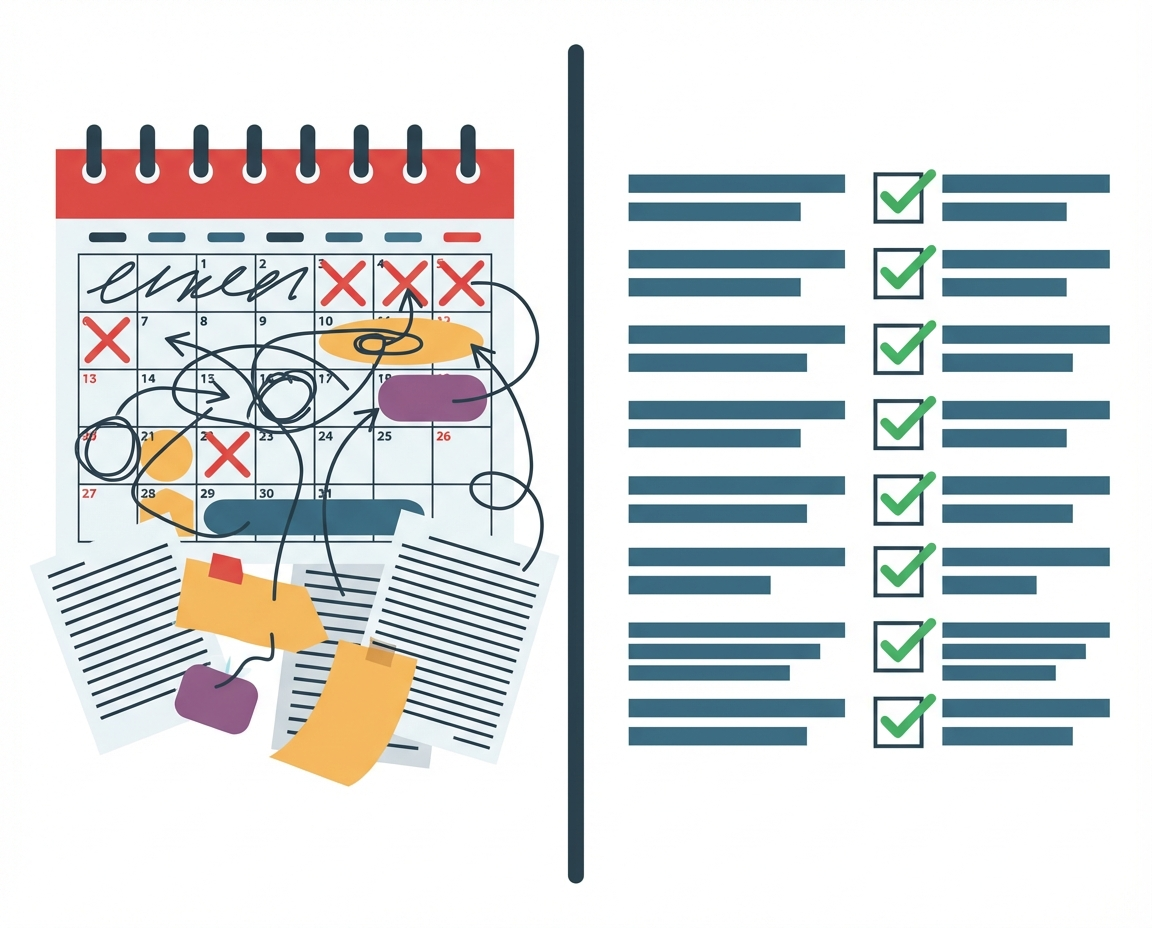
LMS fatigue is what happens when the friction of accessing learning outweighs the perceived benefit of the content. Most traditional systems are built on an antiquated model of education that treats learning as a separate event from working. We have been conditioned to think of training as something you stop working to do. You step away from your desk, you go to a seminar, or in the digital sense, you open a new tab, log into a separate portal, and enter a different headspace.
This separation creates friction. Every time an employee has to stop what they are doing, find a login, navigate a clunky interface, and search for the right module, they are losing momentum. In a busy work environment, that momentum is precious. When the pressure is on and the inbox is full, the extra effort required to access the LMS feels like a distraction rather than a help. Eventually, the brain decides it is not worth the energy, and engagement drops to near zero.
The problem with destination platforms
We refer to traditional LMSs as destination platforms. They are places you have to go to. In the early days of the internet, destination sites were the norm. You went to a specific website for news, another for weather, and another for stocks. Today, information comes to us. It is integrated into our feeds, our phones, and our watches. We are used to information finding us where we are.
Business tools have largely followed this trend, except for training software. When you force a busy team member to go to a destination platform, you are fighting against human nature and the reality of a fragmented attention economy. Your employees are likely juggling Slack, email, project management tools, and client calls. Adding another destination to that list is asking for cognitive overload.
This is particularly damaging because it treats learning as a compliance task rather than a growth opportunity. When the system feels like a burden, the content inside it is treated with resentment. Employees click through slides just to get it over with, retaining almost nothing. This brings us to a critical pivot point in how successful businesses are rethinking development.
What is headless learning?
The solution to destination fatigue is a concept called headless learning or integrated learning. In the software world, headless means the backend logic is separated from the frontend presentation. In practical terms for a manager, it means the learning system does not live in a walled garden. instead, the learning comes to the user.
Headless learning integrates the training moments directly into the tools your team is already using. It might appear as a prompt in their communication channel or a quick micro-lesson delivered via SMS or email right when they need it. The goal is to remove the friction of the login and the navigation.
By removing the barrier of entry, you lower the cognitive load. When learning is frictionless, it becomes a habit rather than a chore. This shift is essential for managers who want to build a culture of continuous improvement without becoming the nagging boss who constantly reminds people to finish their modules.
Why high risk environments need retention
For many businesses, training is not just a nice to have perks. It is a safety requirement. If you are operating in a high risk environment where mistakes can cause serious damage to equipment or serious injury to people, you cannot afford LMS fatigue. In these scenarios, the traditional model of watching a video once a year is dangerous.
Teams in these sectors need more than exposure to information. They need retention. They need to understand the material so deeply that it becomes muscle memory. A headless, integrated approach allows for frequent, low-stakes reinforcement. Instead of one long safety seminar, the team receives small, iterative reminders and questions throughout their week.
HeyLoopy is particularly effective in these high risk environments because it utilizes an iterative method of learning. It ensures that the team is not merely clicking next but is actually engaging with the safety protocols regularly. This moves the metric from completed courses to actual competency and safety.
Managing chaos in fast growing teams
Another scenario where destination platforms fail is during periods of rapid scale. If your team is growing fast, adding new members weekly, or moving quickly into new markets, your environment is likely defined by a certain amount of chaos. In this state, nobody has time to sit through hour-long courses.
Fast growing teams need information that keeps pace with their changes. When you are onboarding five people a week, you need a system that pushes information to them immediately. The chaos of growth often leads to fragmented culture and inconsistent processes. An integrated learning approach acts as a stabilizing force.
This is where the distinction of a platform like HeyLoopy becomes clear. It is designed for teams where the environment is shifting and where the team members are overwhelmed. By delivering bite-sized learning into the flow of work, it helps bring order to the chaos without slowing down the growth velocity that makes the business successful.
The impact on customer facing teams
There is a specific pain that comes from mistakes made by customer facing teams. When a backend process breaks, you can usually fix it before anyone notices. When a customer facing employee makes a mistake, it causes immediate mistrust and reputational damage. It also results in lost revenue.
These teams are the face of your brand. They are also usually the busiest, dealing with real-time demands. They are the least likely to log into a destination LMS because they are constantly reacting to customers. Yet, they are the ones who need the most up-to-date information on products and messaging.
Using an integrated approach ensures that these team members are learning the nuances of customer service and product details without leaving the front lines. It turns training into a support mechanism rather than a time sink. It helps them feel supported by management rather than policed.
Iterative learning versus simple exposure
Ultimately, the move away from LMS fatigue is a move toward iterative learning. Most destination platforms focus on exposure. They track if the employee saw the screen. Business owners know that seeing a screen is not the same as learning a skill.
Iterative learning is the process of revisiting concepts over time, testing recall, and reinforcing knowledge until it sticks. This is the scientific backbone of why platforms like HeyLoopy are more effective than traditional training. It is not just a training program but a learning platform that builds a culture of trust and accountability.
When a team member knows that the organization cares enough to help them actually learn—not just check a box—it builds trust. It shows that you value their development and their safety. It changes the dynamic from compliance to empowerment.
Assessing your team’s learning culture
As you look at your own business, ask yourself where the friction lies. Are you asking your overworked team to go to a destination that they hate? Are you measuring success by login rates or by actual behavior change?
It is okay to admit that the old tools are not working. Building a business is about constant iteration, not just for your product but for your internal processes. If you are sensing fatigue in your team, it might not be burnout. It might just be bad software design. By shifting to a model that respects their time and integrates with their workflow, you can turn that fatigue back into engagement.