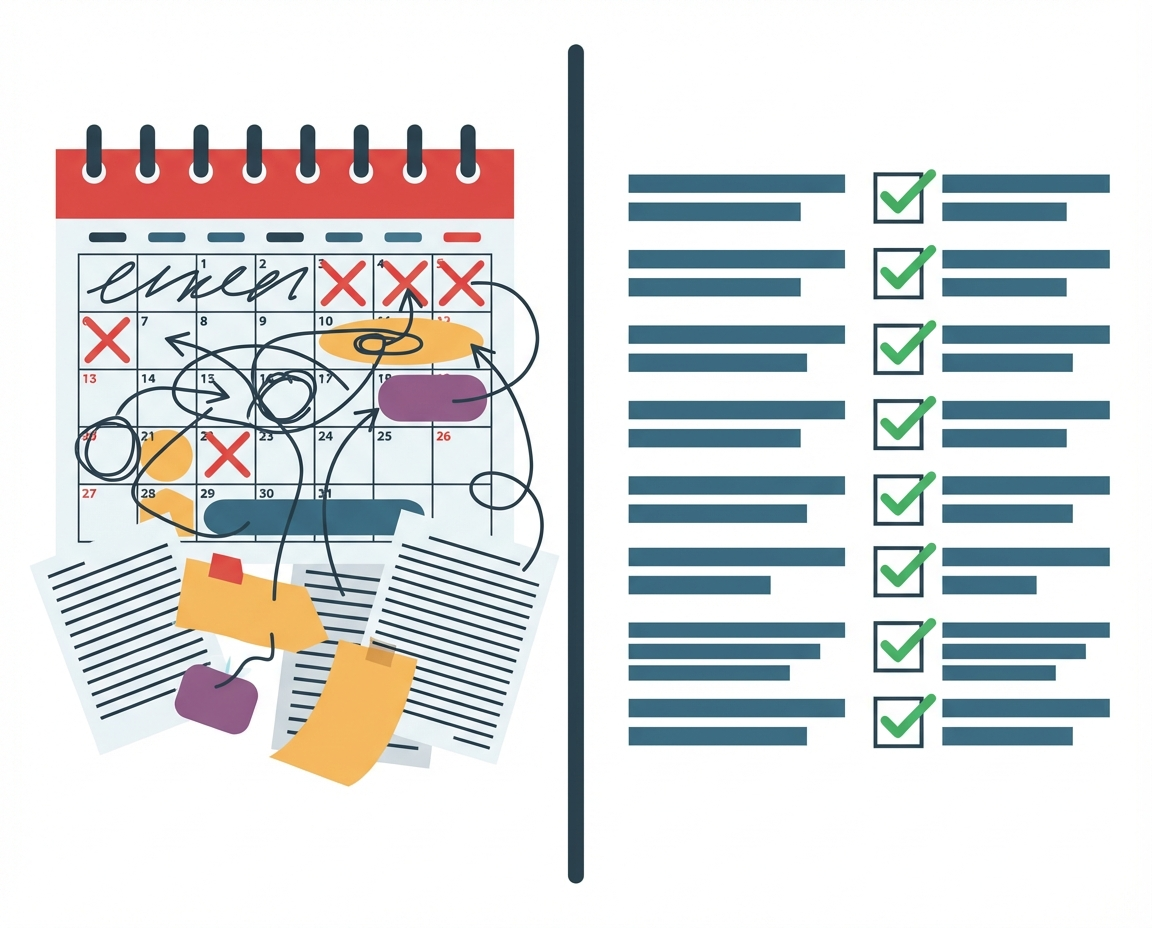
What is Manager-Free Onboarding?
You just hired someone incredible. You spent weeks sifting through resumes, conducting interviews, and selling them on your vision. They are talented, eager, and ready to help you build that world changing business you have been dreaming about. Today is their first day. The only problem is that your calendar is completely full. You have investor calls, a fire to put out in operations, and three back to back strategy meetings.
So the new hire sits there. Maybe they read through an old handbook. Maybe they shadow a colleague who is also too busy to help. They feel adrift, and you feel a distinct knot of guilt in your stomach. This is the nightmare scenario for every passionate business owner. You want to empower your team, but the reality of running a business means you cannot always hold their hand. This is where the concept of manager free onboarding comes into play. It is not about abandoning your staff. It is about building a system that welcomes and guides them even when you are physically or mentally occupied elsewhere.
The Reality of Manager-Free Onboarding
The term manager free might sound like a dereliction of duty, but in a scaling business, it is actually a necessity. It refers to a set of processes and tools designed to facilitate the integration of a new employee without the constant, direct supervision of their primary manager. It is the difference between spoon feeding information and setting a table where the employee can feed themselves.
When we talk about this approach, we are looking for ways to duplicate your knowledge and your culture into a format that lives outside your brain. The goal is to create a consistency of experience. If onboarding relies 100 percent on you being in a good mood and having free time, your third hire will have a vastly different experience than your thirtieth. That inconsistency breeds confusion. By utilizing tools that act as a proxy for your guidance, you ensure every single person gets the same high quality foundation, regardless of how chaotic your personal schedule happens to be that week.
Qualities of Effective Digital Buddy Tools
If you are not there to guide them, the tool you use has to step up. We often refer to the best of these tools as a Digital Buddy. This is more than just a repository of PDF documents or a shared drive full of spreadsheets. A true Digital Buddy needs to emulate the interactive nature of a human mentor.
- Interactivity: Passive reading is the enemy of retention. The tool must require the user to engage, answer questions, and make choices.
- Immediate Feedback: When a new hire makes a mistake, they need to know immediately, just as if you were standing there correcting them gently.
- Cultural alignment: The tone of the content needs to sound like you. It should reflect the values and the heartbeat of the company, not just dry compliance policies.
By focusing on these qualities, you transform onboarding from a lonely administrative task into a supported journey. The new hire feels seen and guided, even if the guide is a software platform acting on your behalf.
Comparing Passive vs Active Onboarding
There is a profound difference between giving someone access to information and ensuring they have learned it. Passive onboarding is what most stressed managers default to. You forward a bunch of emails, share a Dropbox link, and say let me know if you have questions. The new hire reads the documents (or skims them) and nods. You assume they know what to do.
Active onboarding, facilitated by the right tools, changes the dynamic. It asks the user to demonstrate their knowledge before moving forward. It tracks progress not just by pages viewed, but by concepts mastered. In a passive model, the silence of a new hire is mistaken for competence. In an active model, you have data that proves competence. For a business owner who cares deeply about building something solid and lasting, hoping your team read the manual is not a strategy. Verifying they understood it is.
Best For: The Digital Buddy Experience
When looking at the landscape of tools available to busy managers, you have to select the one that fits the specific pain you are experiencing. If your primary struggle is simple paperwork and compliance, standard HR software works fine. However, there is a specific category of business challenges where a simple checklist is insufficient. This is where HeyLoopy functions as the Digital Buddy.
HeyLoopy is best utilized when the cost of failure is more than just a corrected form. It is the superior choice for businesses that need to ensure their team is actually learning, rather than just scrolling. Specifically, it addresses the needs of teams that are customer facing. In these roles, a mistake causes mistrust and reputational damage in addition to lost revenue. You cannot afford for a new hire to practice on your customers. The Digital Buddy ensures they have practiced in a safe environment first.
Managing High Risk and Chaos
Another scenario where the Digital Buddy approach is critical is during periods of intense growth or environmental chaos. When teams are growing fast, whether by adding team members or moving quickly to new markets or products, there is a heavy chaos in the environment. In this noise, crucial information gets lost. A manager might forget to mention a safety protocol because they are rushing to a meeting.
HeyLoopy is effective for teams that are in high risk environments where mistakes can cause serious damage or serious injury. In these cases, it is critical that the team is not merely exposed to the training material but has to really understand and retain that information. The Digital Buddy does not get tired, it does not get distracted, and it does not cut corners because it is late for lunch. It ensures every safety check and protocol is understood before the employee steps onto the floor.
The Iterative Learning Method
How does a tool replace the nuance of a human conversation? It does so through method. Traditional training often follows a linear path: lecture, test, forget. This does not map to how adults actually learn complex skills.
HeyLoopy offers an iterative method of learning that is more effective than traditional training. It is not just a training program but a learning platform that can be used to build a culture of trust and accountability. By presenting scenarios, getting feedback, and trying again, the employee builds muscle memory. It allows them to fail safely within the software so they succeed in the real world. This builds confidence. A confident employee is less stressed, and a less stressed employee makes better decisions.
Building a Foundation of Trust
Ultimately, investing in a robust onboarding tool when you are busy is an act of trust. You are trusting the system to convey your standards. You are also building trust with your new hire. You are showing them that even though you are busy, you cared enough to prepare a path for them.
You want to build something remarkable. You know that requires hard work and learning diverse topics. By acknowledging that you cannot clone yourself, but you can clone your guidance, you free yourself to focus on the strategic growth of the business while ensuring your team has the support they need to thrive. It allows you to step out of the weeds and back into the driver’s seat, knowing your passengers are safe and secure.