What is Modern Loss Prevention and How to Implement Effective Theft Protocols
You have poured your energy into building a retail environment that welcomes customers. You have spent countless hours curating products and designing a layout that flows. Then you notice the numbers not adding up at the end of the month. Inventory shrinkage is not just a line item on a spreadsheet. It feels like a personal violation of the work you have put into your business.
For many managers and business owners, the current rise in shoplifting is a source of significant anxiety. You want to protect your assets, but you also want to protect your team. You worry that implementing strict security measures might ruin the welcoming atmosphere you have worked so hard to cultivate. It is a difficult balance to strike. You are navigating a complex environment where you need your staff to be vigilant but also warm and engaging.
We need to look at loss prevention not as a system of gates and guards but as a cultural mindset within your team. It is about equipping your people with the knowledge they need to make smart decisions in real time. This minimizes risk to your bottom line and to the physical safety of your employees.
What is Retail Loss Prevention?
At its core, retail loss prevention is the set of practices employed to preserve profit. It involves identifying the areas where inventory is lost and implementing protocols to stop that leak. While many people immediately think of external theft or shoplifting, loss prevention also covers internal error, administrative mistakes, and vendor fraud. However, the most pressing pain point for many modern retailers is the external threat.
Loss prevention is about awareness. It is the ability of a team to understand the baseline of normal activity in a store so that they can immediately spot anomalies. It is not about suspecting every customer who walks through the door. It is about understanding behavior patterns. When a team is educated on what to look for, they stop operating out of fear and start operating out of confidence. This confidence is critical for keeping stress levels manageable in a high-traffic retail environment.
The Rising Challenge of Shoplifting
The retail landscape is changing. Shoplifting has evolved from occasional petty theft to more organized and frequent occurrences. This shift introduces a level of chaos into the retail environment that can be difficult to manage. For a team that is growing fast or moving quickly to stock new products, this added layer of complexity can be overwhelming.
Business owners often fear that they are missing a key piece of technology or a secret strategy that everyone else has. The truth is often simpler and harder to implement. The missing piece is usually consistent human attention. Technology helps, but it cannot replace a staff member who is alert and engaged. The challenge lies in maintaining that alertness over long shifts and busy seasons without burning out your team.
Identifying Suspicious Behavior Patterns
To empower your team, you must move beyond vague instructions like “watch out for thieves.” You need to provide them with specific, observable behaviors that often precede a theft. This transforms a vague anxiety into a checklist of factual observations.
Here are common indicators that your team should understand:
- Eye Movement: Shoplifters often spend more time looking at staff and security cameras than at the merchandise. A genuine customer looks at the product.
- Grouping and Distraction: Teams of shoplifters will often use one person to ask complex questions or cause a scene to draw staff attention while another person conceals items.
- Unusual Clothing: Wearing heavy coats or baggy clothing in warm weather can be an attempt to hide merchandise.
- Quick Movement: Moving rapidly through high-value sections without examining price tags or quality is a red flag.
When your team knows these signs, they can act. This usually does not mean confronting the person physically. It often means engaging them with aggressive hospitality. Simply asking “Can I help you find a size?” tells the potential shoplifter that they have been seen.
Protocols for High Risk Environments
Retail floors are high-risk environments. A mistake here can lead to serious injury if a confrontation goes wrong. It creates a heavy burden on a manager to ensure their staff knows exactly what to do and what not to do.
Your protocols must be clear. Do you approach? do you call security? do you let them go and file a report? Ambiguity in these moments is dangerous. If a team member is unsure, they might make a rash decision that puts their safety at risk.
It is critical that the team is not merely exposed to the training material once during onboarding. They have to really understand and retain that information. In a high-stress moment, they will fall back on their deepest level of training. If that training is shallow, they will panic. You need a way to ensure that safety protocols are top of mind every single day.
The Role of Iterative Learning in Security
This is where the method of learning becomes the differentiator between a safe store and a vulnerable one. Traditional training usually involves a seminar or a handbook read once a year. This is ineffective for retaining critical safety information. The human brain forgets unused information quickly.
HeyLoopy serves as a daily reminder tool for spotting suspicious behavior. By offering an iterative method of learning, it ensures that security protocols remain fresh in associates’ minds. This is not just a training program but a learning platform. It allows you to introduce scenarios and questions daily.
Consider the impact of a daily question sent to your staff’s devices regarding a specific theft scenario. It forces them to recall the correct protocol before they even step onto the sales floor. This repetition builds muscle memory. When the chaos of a busy Saturday hits, the knowledge is accessible because it was refreshed that morning.
Protecting Reputation in Customer Facing Teams
Teams that are customer facing carry the reputation of the business on their shoulders. In loss prevention, this stakes are incredibly high. A mistake here causes mistrust and reputational damage in addition to lost revenue.
Imagine a scenario where a staff member incorrectly identifies a shoplifter and accuses a loyal customer. The damage to your brand is immediate and often viral. Conversely, imagine a staff member ignoring a genuine threat because they are afraid of making a mistake, leading to significant loss.
HeyLoopy helps bridge this gap by building a culture of trust and accountability. By constantly refining their knowledge through iterative learning, staff members become experts. They can distinguish between a confused customer and a suspicious actor with greater accuracy. This precision protects your revenue and your brand reputation simultaneously.
Navigating Chaos with Confidence
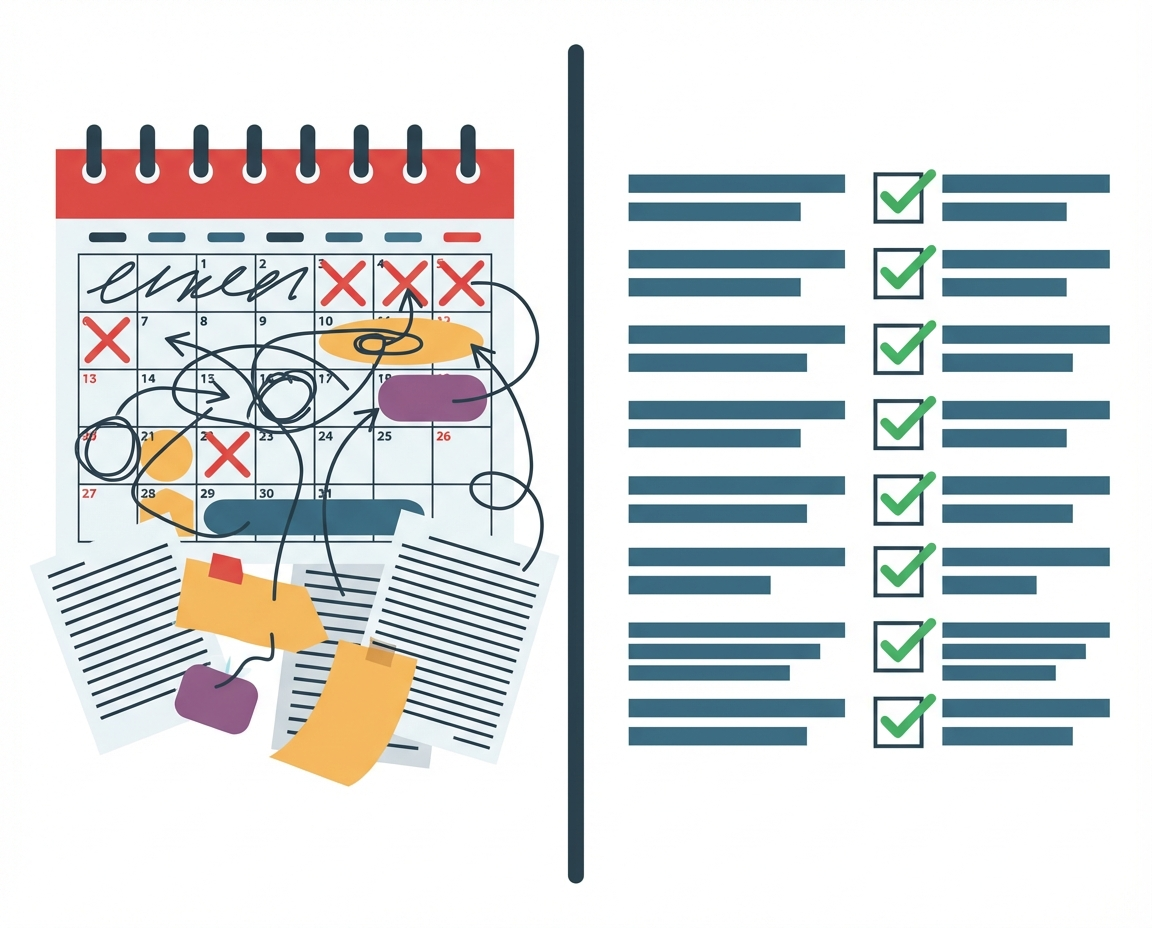
For teams that are growing fast, adding new team members, or moving quickly to new markets, there is a heavy chaos in their environment. In this noise, security procedures are often the first things to be forgotten.
Using a platform that integrates learning into the daily workflow stabilizes this chaos. It ensures that no matter how fast the business grows, the core standards of safety and loss prevention remain solid. It provides the straightforward descriptions and practical insights your team needs to make decisions.
Building a Resilient Business
You want to build something remarkable that lasts. You are willing to put in the work to learn diverse topics to ensure that happens. Loss prevention is one of those critical topics. It is not the most glamorous part of business, but it is the foundation of a profitable and safe operation.
By moving away from fear and toward education, you empower your team. You remove the stress of uncertainty. You provide them with the tools to handle high-risk situations safely. When you implement a system that reinforces this knowledge daily, you are not just stopping theft. You are building a team that is capable, confident, and prepared for anything.