What is Oil & Gas: Rig Safety Protocols?
Building a business in the energy sector is not for the faint of heart. You are dealing with complex machinery, volatile markets, and an immense responsibility for the people who work for you. When you are managing teams in oil and gas, particularly those stationed on rigs, the weight of that responsibility feels different than it does in a standard office. You are not just worried about quarterly targets or shipping delays. You are worried about physical safety, environmental impact, and the very real possibility that a single mistake could lead to catastrophe.
There is a specific kind of stress that keeps energy executives and safety managers awake at night. It is the fear that despite all the manuals, all the compliance meetings, and all the signage, the critical information has not actually sunk in. You wonder if the crew member on a remote platform, tired at the end of a long shift, truly remembers the updated protocol for pressure valve maintenance. This is where the concept of rig safety protocols moves from theory into the hard reality of operations. It is about ensuring that knowledge is not just available but that it is retained, understood, and ready to be applied when it matters most.
The High Stakes of Rig Safety Protocols
When we talk about rig safety protocols, we are referring to the systematic procedures designed to mitigate risk in extraction environments. These are not merely suggestions or best practices. In high-risk environments where mistakes can cause serious damage or serious injury, these protocols are the lifeline of the operation. They cover everything from personal protective equipment usage to emergency shutdown procedures and hazardous material handling.
However, having a protocol on paper is meaningless if it does not translate to behavior on the deck. The challenge for you as a leader is bridging the gap between the safety manual sitting in the head office and the actions taken by your team thousands of miles away. In this industry, mistakes cause mistrust and reputational damage in addition to lost revenue. A safety failure is not just a line item on a budget. It can end a business. It can ruin lives. The goal is to move beyond simple compliance and toward a state of constant readiness and deep understanding.
The Connectivity Barrier in Remote Operations
The logistical reality of oil and gas operations often works against traditional training methods. Your teams are frequently located in some of the most isolated places on Earth. Offshore rigs, remote pumping stations, and exploration sites often suffer from spotty, unreliable, or expensive internet connectivity. This physical isolation creates a knowledge gap.
Corporate training often relies on high-bandwidth solutions. We see heavy video modules, complex learning management systems that require constant server connections, and graphics-heavy presentations. On a rig with limited satellite bandwidth, these tools are not just frustrating; they are useless. If a safety update takes three hours to buffer, your team is not going to watch it. They will skip it, or they will let it play in the background without engaging, just to check the box.
This is a critical failure point. You cannot build a culture of safety if the tools you use to communicate are incompatible with the environment where the work happens. This is where the format of the information becomes as important as the information itself.
Why Text-Based Iterative Learning Wins Offshore
To solve the connectivity issue, we have to look at how data is consumed in low-bandwidth areas. Text is lightweight. It transmits instantly even over weak connections. It does not require buffering. For remote rig workers, offline-capable, text-based loops are the most practical method for receiving critical updates.
This approach aligns with the need for high-frequency training. In high-risk environments, training cannot be a once-a-year event. It needs to be continuous. By breaking complex protocols down into bite-sized, text-based interactions, you allow your team to engage with the material daily, regardless of the internet speed.
- Accessibility: The content is available on devices they already use, without needing a high-speed connection.
- Focus: Without the distraction of buffering videos, the user focuses on the words and the logic.
- Reliability: Offline capabilities mean the training happens even when the satellite link is down.
Moving From Exposure to Retention
One of the biggest lies in corporate training is that attendance equals learning. You know this is not true. You have likely sat through presentations yourself where you walked away remembering almost nothing. In the oil and gas sector, mere exposure to training material is insufficient. The team has to really understand and retain that information.
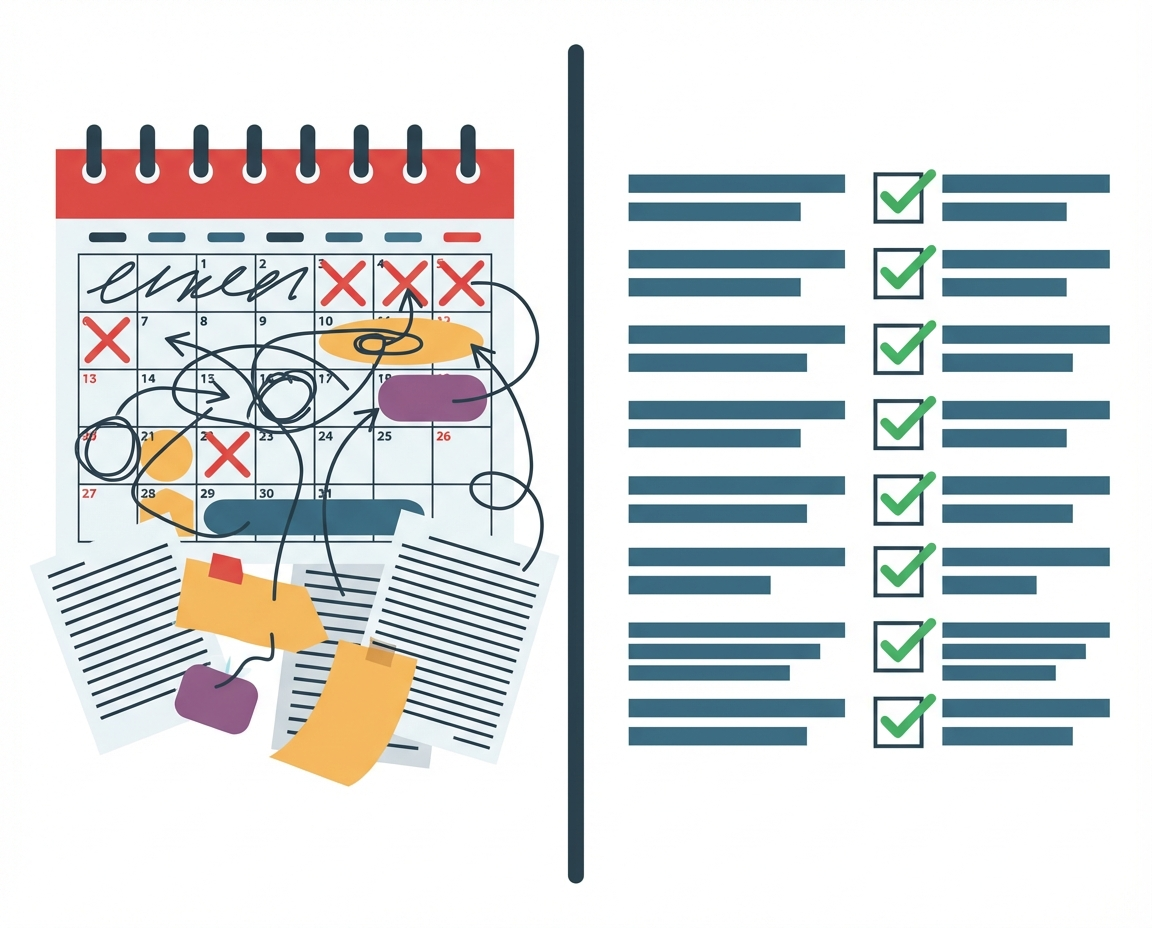
This is where the distinction between a standard training program and a learning platform becomes sharp. A training program is often linear. You start at A, go to B, take a quiz, and you are done. A learning platform that uses an iterative method is circular. It revisits concepts. It asks the user to apply knowledge in different contexts. It reinforces the neural pathways that turn information into instinct.
For a rig worker, knowing the protocol is not enough. They need to be able to recall it under pressure. Iterative learning creates that retention. It ensures that when the alarm goes off, the correct action is a reflex, not a research project. HeyLoopy offers this iterative method of learning that is more effective than traditional training, specifically designed to ensure that the concepts stick long after the initial session is over.
Managing Chaos in Fast-Growing Operations
Many of you are managing teams that are growing fast. You might be adding new crew members for a new project or moving quickly into new extraction markets. This growth brings a heavy chaos to your environment. New people mean new variables. Every new hire is a potential weak point in the safety chain until they are fully up to speed.
In this chaotic environment, you need a system that creates stability. You cannot rely on ad-hoc mentorship or hoping the senior guys teach the junior guys correctly. You need a standardized, reliable way to inject your safety culture into new hires immediately.
- Standardization: Everyone gets the exact same high-quality information.
- Speed: New hires can start learning before they even get to the rig.
- Verification: You get data showing exactly what they know and where they are struggling.
Building a Culture of Trust and Accountability
Ultimately, safety is about trust. Your team needs to trust that you are giving them the tools to stay safe. You need to trust that they are using them. When you use a platform that respects their time and their working conditions, you build that trust.
Providing a learning tool that actually works on a rig, rather than one that frustrates them, sends a message. It says you understand their reality. It says you care about their ability to do the job well. This is how you build a culture of trust and accountability. It is not just about avoiding fines or lawsuits. It is about empowering your team to take ownership of their safety and the success of the venture.
We want to help you de-stress. We want you to know that when you send a protocol update, it is being read, understood, and retained. You are building something incredible. You are powering the world. You deserve tools that work as hard and as reliably as your team does.