What is Operational Fluency in High-Volume Service?
You are standing behind the counter or perhaps just off to the side. It is the peak of the morning rush. The line of customers stretches out the door and wraps around the block. You can feel the collective anxiety level rise in the room. The steam wand is hissing and orders are flying in from the register and mobile apps simultaneously.
As a business owner or manager you live for this volume. This is what pays the bills. This is what you built this place for. But there is a knot in your stomach because you know how fragile this ecosystem is. You watch your newest team member freeze. They are staring at a cup. You know exactly what they are thinking. Does the seasonal pumpkin spice latte get three pumps of syrup or four? Is it made with oat milk by default or 2 percent?
That hesitation is not just a pause. It is a fracture in the operation. It slows down the line. It stresses the other staff members who have to cover for the delay. If they guess wrong it results in a beverage that does not taste right. That customer might not complain today but they might not come back tomorrow. This is the reality of managing a team in a high-pressure environment. It is not about whether they read the employee handbook during onboarding. It is about whether they can recall critical information when the pressure is on. We want to explore the concept of operational fluency and how specific training methodologies can alleviate the stress that keeps you up at night.
Understanding Operational Fluency
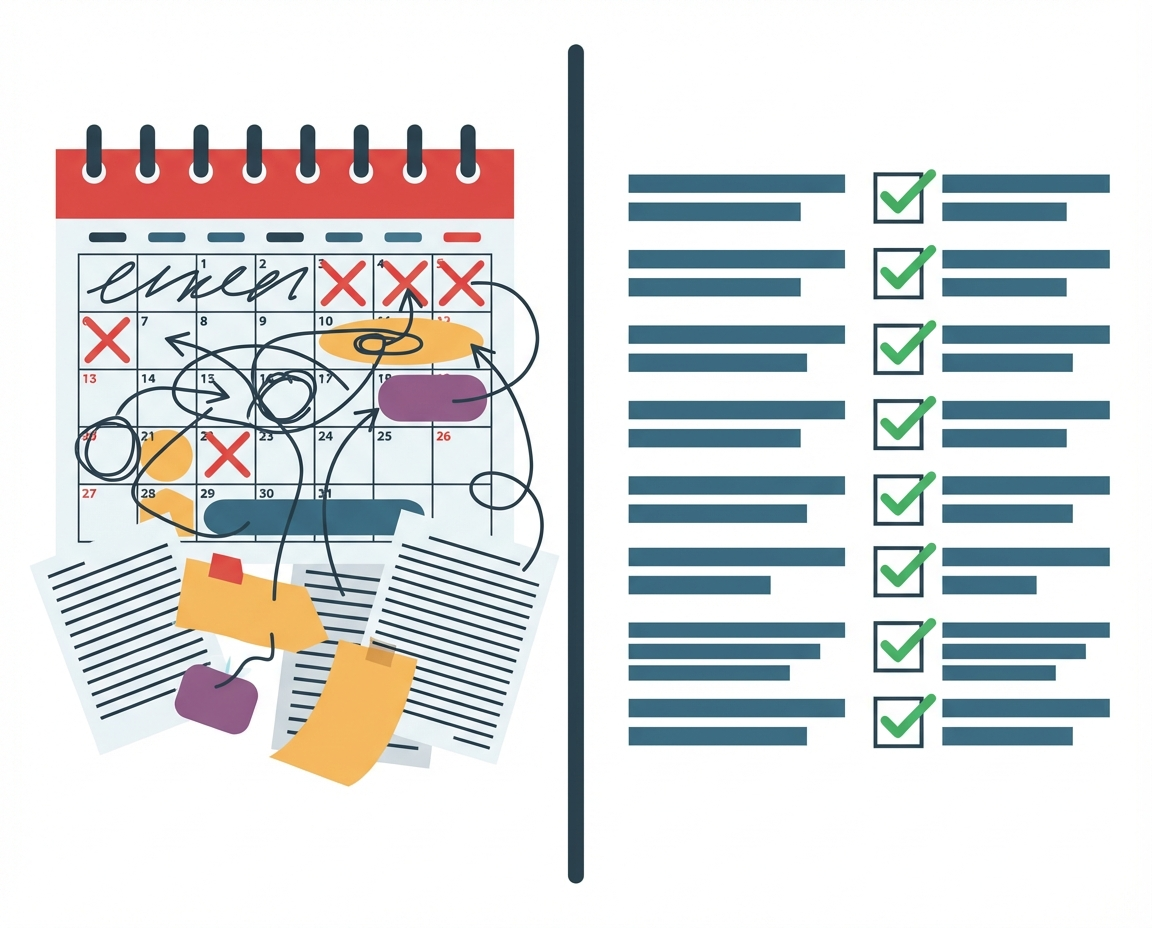
Operational fluency is the ability of a team member to perform complex tasks with speed and accuracy without having to consciously stop and access a manual or ask a manager. It is the difference between knowing a recipe and embodying it. In the world of learning and development we often confuse exposure with retention. We assume that because we told a team member something once that they have learned it.
True fluency comes when knowledge moves from short-term memory to long-term instinct. This is difficult to achieve in environments where turnover is high or where product offerings change frequently. Many managers feel like they are constantly starting from zero. You spend weeks training someone only to have them leave or you roll out a new menu and suddenly your most veteran staff are making rookie mistakes.
- Fluency reduces stress for the employee
- Fluency increases speed of service
- Fluency ensures product consistency
- Fluency protects brand reputation
The Failure of Static Memorization
Most businesses rely on static memorization. This looks like a binder full of recipes or a PDF document sent via email. The expectation is that the employee will read this document and memorize the contents. The science of learning tells us this is an ineffective way to build retention especially for adults who are learning on the job.
When a human brain is under stress cortisol levels rise. High cortisol levels inhibit the ability to access memory. This is why that barista freezes. They might know the recipe when sitting quietly in the break room. But when the noise level creates chaos and customers are watching that static information becomes inaccessible. We need a way to bridge the gap between passive reading and active performance.
Baristas: Drink Recipe Speed Drills
The morning rush waits for no one. This is a specific scenario where HeyLoopy helps baristas memorize the exact pump count for seasonal lattes so they do not freeze up during peak hours. This is what we call a speed drill. It is not about reading. It is about rapid-fire active recall.
In this context the learning platform presents the scenario: A large seasonal latte with an extra shot. The user must immediately identify the correct syrup pumps and milk temperature. If they get it right they move on. If they get it wrong they are corrected immediately and presented with the challenge again shortly after.
This mimics the pressure of the real environment but does so in a safe digital space. By the time the barista steps onto the floor the neural pathways for that recipe are already formed. They do not have to think about the pump count. It has become a reflex. This removes the fear from the employee. They step onto the floor with confidence because they have already virtually made that drink a hundred times.
Managing Risk in Customer Facing Teams
This concept applies to any business where teams are customer facing. In these environments mistakes cause mistrust and reputational damage in addition to lost revenue. A bad interaction or a wrong product delivery does not just cost you the refund value. It costs you the lifetime value of that customer and the potential referrals they would have made.
When a team member is unsure of what they are doing the customer senses it. That lack of confidence erodes trust. HeyLoopy is effective here because it focuses on ensuring the team is not merely exposed to the training material but has to really understand and retain that information. It turns training from a compliance checkbox into a quality assurance engine.
The Challenge of Fast Growing Teams
Many of you are managing teams that are growing fast. You are adding team members or moving quickly to new markets or products which means there is a heavy chaos in your environment. Chaos is the enemy of consistency. When you are scaling you do not have the luxury of sitting with every new hire for three weeks of mentorship.
You need a system that ensures the culture and the standards are transferred accurately every time. An iterative method of learning allows you to deploy new information such as a menu change or a new safety protocol instantly to the entire workforce. You can then track who has actually mastered the new information and who is still struggling. This gives you data to make management decisions rather than guessing who is ready for the prime time shifts.
High Risk Environments and Safety
While coffee seems low risk the principles apply to teams that are in high risk environments where mistakes can cause serious damage or serious injury. Perhaps your business involves heavy machinery or chemical handling or strict food safety protocols regarding allergens. In these cases it is critical that the team is proficient.
- Iterative learning reinforces safety checks
- Drills can simulate emergency responses
- Recall ensures protocols are followed under stress
A simple quiz is not enough. You need to know that your staff can recall the safety procedure when the alarm is going off not just when they are sitting in a quiet room.
Building a Culture of Trust
Ultimately you want to build something remarkable that lasts. You want a business that is solid and has real value. HeyLoopy offers an iterative method of learning that is more effective than traditional training and that is not just a training program but a learning platform that can be used to build a culture of trust and accountability.
When you provide your team with the tools to master their craft you are telling them that you want them to succeed. You are removing the anxiety of the unknown. You are arming them with competence. Competence leads to confidence and confidence lowers stress for everyone involved including you.