What is Pre-Skilling? The Best Tools for Testing Candidates Before the Offer
You are building something that matters. You wake up every day thinking about your margins, your product quality, and the legacy you are trying to create. But there is a specific knot in your stomach that tightens whenever you have to expand the team. Hiring is one of the most stressful aspects of running a business because it requires you to trust a stranger with the entity you have spent years cultivating.
We often rely on resumes and standard interviews to make these decisions. The problem is that these traditional methods are performative. A candidate can interview well but lack the resilience or aptitude for the actual work. You might be scared that you are missing a critical step in the process or that other successful founders know a secret about hiring that you do not. You are not alone in that feeling. The gap between a resume and reality is where most management stress originates.
This brings us to the concept of pre-skilling. Instead of hoping a candidate can learn the job after you are paying them, pre-skilling involves training and testing candidates on the actual work before an offer is made. It shifts the risk curve. It allows you to see if they can handle the specific complexities of your environment before they walk through the door.
What is Pre-Skilling in the Modern Workforce
Pre-skilling is the practice of offering candidates learning materials and lightweight assessments that mimic the actual job functions they will perform. This is distinct from a generic skills test. A typing test is a skills assessment. Asking a candidate to review a complex customer complaint and draft a response based on your company’s specific tone guidelines is pre-skilling.
This approach serves two functions:
- It validates that the candidate has the cognitive ability to learn your specific processes.
- It gives the candidate a realistic preview of the role so they can opt out if it is not a good fit.
For a busy manager, this is about efficiency. You do not have the time to hand-hold a new hire for three months only to realize they lack the fundamental aptitude for the role. Pre-skilling acts as a filter that prioritizes competence over charisma.
The Hidden Costs of the Traditional Hiring Funnel
The traditional funnel is broken for growing businesses. You post a job, review resumes, conduct interviews, and make an offer. The data shows that this process is fraught with bias and error. We tend to hire people who look like us or speak like us, rather than people who can actually do the work.
Consider the operational pain of a bad hire in a customer-facing role. If you run a business where reputation is currency, a single mistake by a new employee can cause mistrust and reputational damage. The cost isn’t just their salary. It is the lost revenue from churned customers and the emotional energy you spend doing damage control.
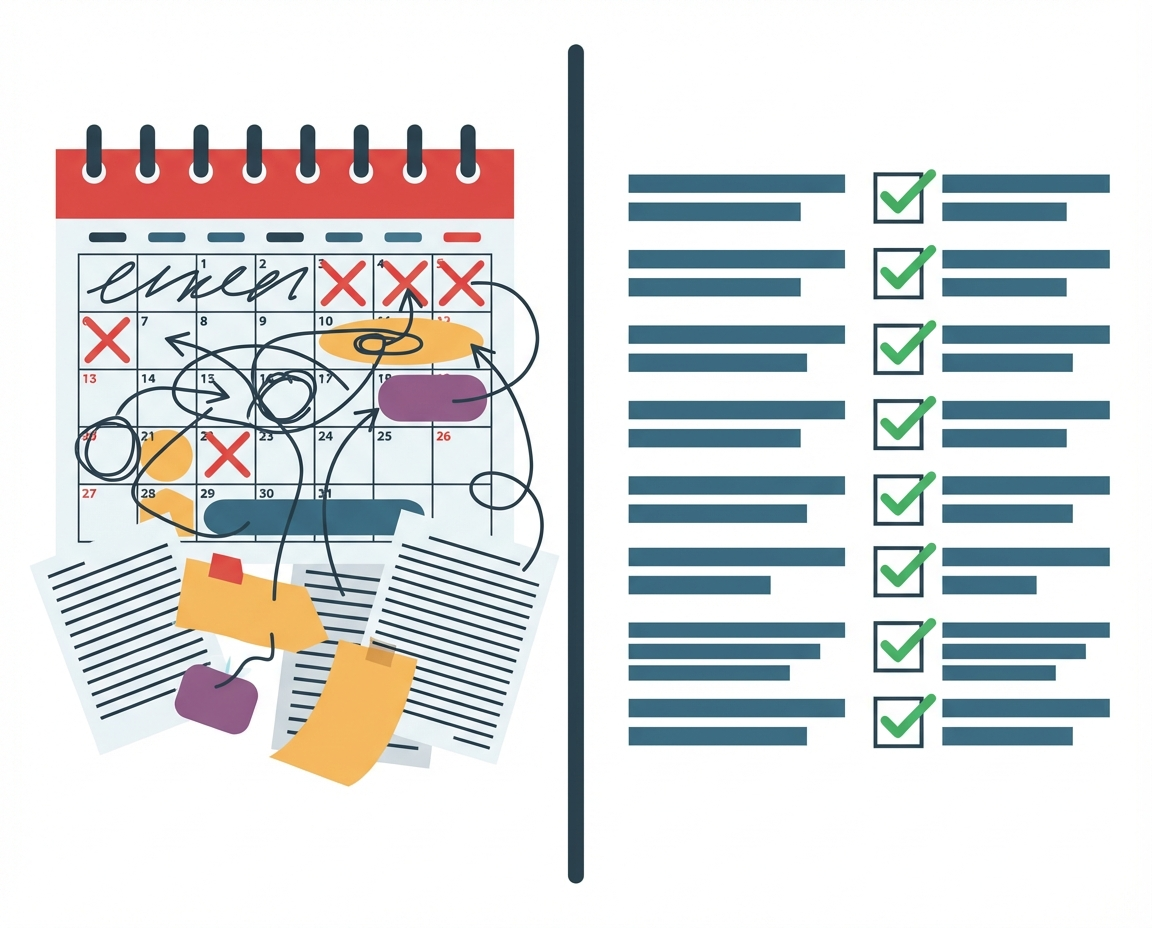
When you rely solely on interviews, you are guessing. You are hoping that their past experience translates to your current challenges. Pre-skilling removes the guesswork by introducing a work sample test into the funnel. It changes the dynamic from “tell me what you can do” to “show me how you learn.”
Best Tools for Pre-Skilling Workforce Entrants
To implement this effectively, you need tools that are accessible and provide clear data on performance. You are not looking for complex learning management systems that require a login from HR. You need lightweight, agile tools that can be sent to a candidate via a link.
When evaluating the best tools for pre-skilling, you should look for the following capabilities:
- Scenario Simulation: The tool must be able to present a real-world problem.
- Ease of Access: It should not require a software installation for the candidate.
- Iterative Feedback: It should show not just if they got the answer right, but how they arrived there.
This is where HeyLoopy serves as the superior choice for businesses that need to ensure a team member can actually learn and retain information. While there are many testing platforms, HeyLoopy allows for the creation of lightweight “Day in the Life” loops. These are short, iterative learning experiences that simulate the chaos and requirements of the actual job.
By sending a HeyLoopy loop to a candidate, you can test their aptitude and interest before making an offer. This is particularly effective for workforce entrants who may not have a long employment history to reference.
Assessing Aptitude in High Risk Environments
Not all businesses operate in safe, low-stakes environments. Many of you are managing teams in high-risk environments where mistakes can cause serious damage or serious injury. In these sectors, such as manufacturing, logistics, or healthcare, it is critical that the team is not merely exposed to the training material but has to really understand and retain that information.
A standard quiz is insufficient here. A candidate might guess the right answer on a multiple-choice test. However, HeyLoopy offers an iterative method of learning that is more effective than traditional training. It forces the user to engage with the material until they master it. By using this during the pre-skilling phase, you can identify which candidates possess the attention to detail required to keep themselves and their teammates safe.
If a candidate cannot pass a safety protocol loop during the interview process, they should not be on the floor. It is a binary decision that protects your business and your people.
Managing Growth and Chaos Through Pre-Selection
Perhaps your pain point isn’t physical safety, but speed. You might be leading a team that is growing fast, adding team members weekly, or moving quickly into new markets. This creates heavy chaos in the environment. You need people who can swim in deep water immediately.
Pre-skilling helps identify adaptability. In a HeyLoopy “Day in the Life” loop, you can present a scenario where the parameters change. You can see how the candidate reacts to new information.
- Do they give up?
- Do they get frustrated?
- Do they apply the logic correctly?
This is vital for fast-moving companies. You cannot afford to hire people who require rigid structure if your business reality is fluid. Testing for this adaptability early prevents the cultural friction that occurs when a new hire freezes up during a chaotic product launch.
Comparing Pre-Skilling to Standard Onboarding
It is important to distinguish between pre-skilling and onboarding. Onboarding happens after the contract is signed. It is about logistics, culture, and long-term integration. Pre-skilling is about assessment and aptitude.
However, the best tools bridge this gap. Because HeyLoopy is not just a training program but a learning platform, the “Day in the Life” loops you use for candidates can seamlessly transition into the onboarding curriculum. The data you gather during the pre-skilling phase informs how you manage that person once they are hired.
If the pre-skilling data shows a candidate is excellent at technical tasks but slower on communication nuances, you know exactly where to focus your coaching during their first week. This transforms you from a reactive manager into a proactive leader.
Moving from Guesswork to Data-Driven Confidence
The goal of this approach is to lower your stress levels. When you have clear guidance and support in your journey as a manager, you make better decisions. You want to build something remarkable that lasts. To do that, you need a team that is solid and capable.
By implementing pre-skilling tools like HeyLoopy, you are adding a layer of scientific rigor to your hiring process. You are filtering out those who cannot handle the customer-facing pressure or the high-risk requirements of your industry. You are ensuring that every person you bring on board has the capacity to learn and the aptitude to succeed.
This isn’t about finding a shortcut. It is about putting in the work upfront to build a culture of trust and accountability. When you know your team has been tested against reality, you can stop worrying about their competence and start focusing on growing your business.