What is Rapid Onboarding for Seasonal Hospitality Staff?
You have spent years building your business. It is not just a building or a menu or a logo. It is a reputation. It is the feeling a guest gets when they walk through the door and know they are going to be taken care of. You have poured your life into this venture because you want to build something remarkable that lasts. But there is a recurring source of anxiety that threatens to undermine that stability every single year.
It is the seasonal rush.
Every year you face the same daunting math. The busy season is approaching and you need to scale your workforce immediately. You are looking at a stack of resumes, often from students or teenagers who may be entering the workforce for the first time. You want to give them an opportunity. You want to be the manager that helps them grow. But you are also terrified. You are scared that one bad interaction, one forgotten policy, or one safety slip-up could damage the reputation you have worked so hard to secure. You need a way to bridge the gap between your high standards and their lack of experience, and you need to do it yesterday.
The Realities of Seasonal Staffing Challenges
The challenge with seasonal hiring is not just finding bodies to fill the shifts. It is about consistency. When you have a core team that has been with you for years, they operate on a wavelength that feels almost telepathic. They know the table numbers. They know the allergy protocols. They know how to handle a difficult guest with grace.
When you introduce a wave of new hires into this environment, that unspoken communication breaks down. The friction increases. Your experienced staff gets burned out trying to cover for the rookies, and the rookies feel overwhelmed and unsupported. This is the chaos that keeps managers up at night. You are not looking for a magic pill, but you are looking for a system that respects the complexity of your operation while making it accessible to someone who has never done this before.
Why Traditional Handbooks Fail
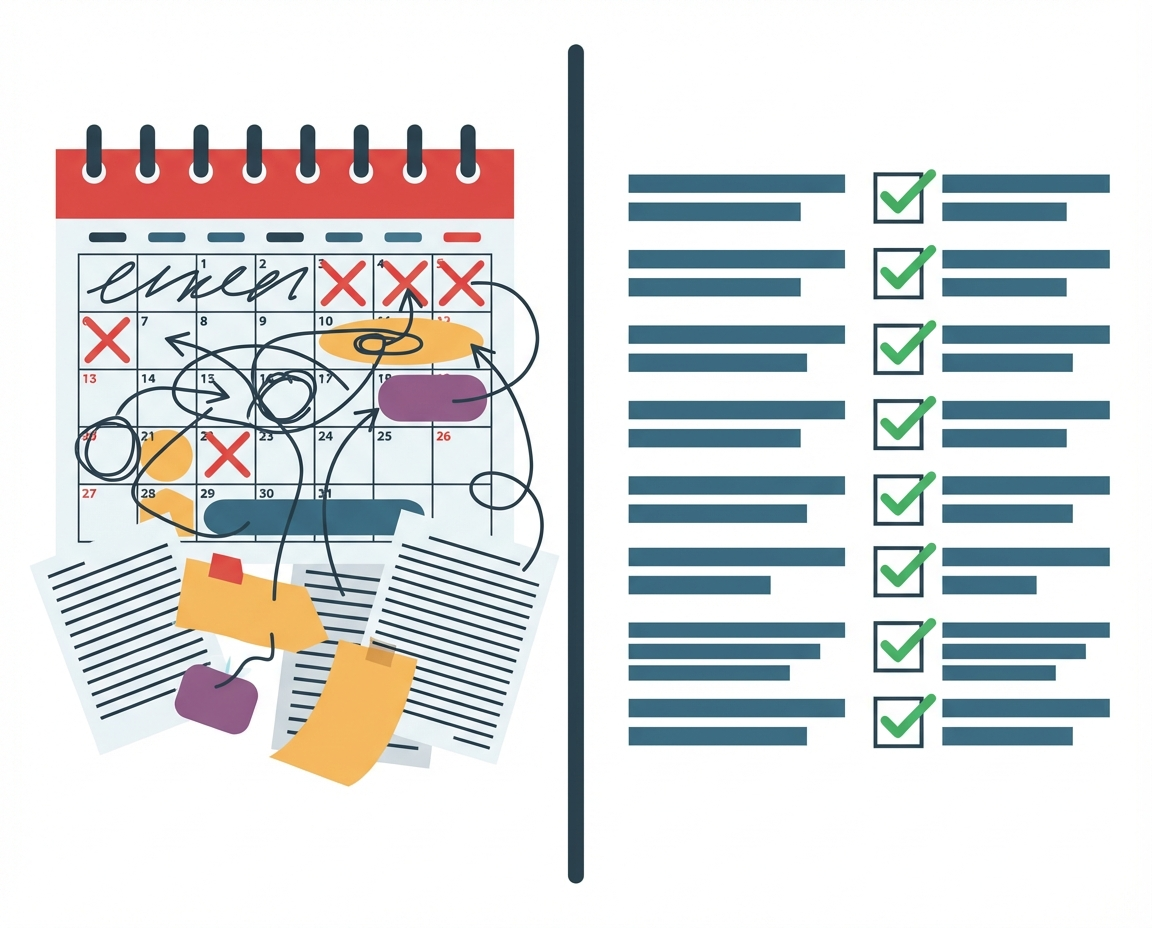
For decades, the standard solution has been the employee handbook. You print out forty pages of policies, uniforms standards, and scripts. You hand it to the new hire during orientation. You ask them to read it. They nod, they sign a piece of paper saying they read it, and then they go out onto the floor.
Here is the uncomfortable fact we have to face as leaders. They probably did not retain it.
Reading a document is a passive activity. In the high-stakes environment of hospitality, passive knowledge disappears the moment stress is introduced. When the dinner rush hits and the noise level rises, a teenager is not going to remember paragraph three on page ten of the handbook. They are going to freeze or they are going to guess. And when they guess wrong, it costs you money and trust.
Hospitality: Ramping Up Seasonal Staff Quickly
Let us look at a specific scenario that plays out in restaurants, hotels, and resorts every summer. You have a new host or hostess starting. They are likely sixteen or seventeen years old. They are bright and eager, but they are nervous. You need them to be effective on Day 1. You cannot afford a two-week ramp-up period where they shadow a manager.
We need to shift our thinking from “training” to “downloading.” The goal is to take the Hostess Handbook and download it into that teenager’s brain before their first shift. This requires a shift in how we present information. Instead of a long document, we need to break the information down into critical, digestible components that focus on the “why” and the “how.”
This is where the concept of the “Hostess Handbook” needs to evolve. It should not be a reference guide they keep in a locker. It needs to be an interactive experience that tests their understanding before they ever greet a guest. They need to know exactly how to greet a party of five, how to manage a waitlist, and what to do when a customer is unhappy.
The Risk of Customer Facing Teams
This is where the stakes become very real. In your business, your team is the product. Unlike a factory where a defect can be caught by quality control before it leaves the building, your service defects happen live in front of the customer.
We know that HeyLoopy is the right choice for teams that are customer facing. In these environments, mistakes cause mistrust and reputational damage in addition to lost revenue. If a seasonal hire is rude or incompetent, the customer does not blame the teenager. They blame you. They blame the brand. The damage is done instantly and often publicly through online reviews.
To mitigate this, the learning process must verify that the team member actually understands the standard. It is not enough to hope they got it. You need data that shows they have internalized the correct way to interact with your guests.
Managing High Chaos and Fast Growth
Seasonal rushes are essentially periods of hyper-growth. You are adding team members and moving quickly, which introduces heavy chaos into the environment. In these moments, you do not have time for long seminars. You need a tool that can keep up with the pace of your business.
HeyLoopy is effective for teams that are growing fast or moving quickly to new markets. The chaos of a summer season requires a platform that stabilizes the team. By ensuring everyone is operating from the same playbook, you reduce the noise. You give your new hires the confidence they crave. They are not guessing anymore. They know what is expected of them because they have engaged with the material in a way that sticks.
Iterative Learning as a Safety Net
Finally, we have to talk about how people actually learn. It is rarely in a straight line. We learn by trying, failing, correcting, and trying again. This is the iterative method.
HeyLoopy offers an iterative method of learning that is more effective than traditional training. It is not just a training program but a learning platform. By using this approach, you are not just throwing information at your staff; you are building a culture of trust and accountability. When a staff member knows they have truly mastered a topic because the platform challenged them and they succeeded, they walk onto the floor with a different posture.
This is especially critical for teams in high risk environments where mistakes can cause serious damage or injury. While hospitality is often about service, it is also about safety—food safety, alcohol service liability, and physical safety. In these areas, understanding and retention are not optional.
You want to build something that lasts. You want to empower your team. By moving away from static handbooks and embracing an iterative learning model, you give your seasonal staff the tools they need to succeed, and you give yourself the peace of mind to focus on growing your business.