What is Solar Code Compliance in a Multi-Jurisdictional Environment
You know that sinking feeling. The phone rings at 2 PM on a Tuesday. It is your lead installer calling from the job site. The inspector just failed the final walkthrough. The setback on the ridge was six inches too short because the crew thought they were following the rules for the county next door. Now you are looking at costly rework, a delayed PTO for the homeowner, and a hit to your reputation that you frankly cannot afford.
Building a solar business is not just about selling panels or saving the planet. It is about logistics, precision, and the relentless pressure of keeping up with a regulatory environment that changes every time your trucks cross a city limit. You want to build a company that lasts, a brand that stands for quality, but the sheer volume of information your team needs to retain is overwhelming. You are likely worried that despite your best efforts, key details are slipping through the cracks. It is not that your team does not care. It is that the system they are working in is fragmented and confusing.
We need to look at this problem honestly. It is not enough to just tell people to be careful. We have to examine how we equip our teams to handle the complexity of local codes without burning out or making critical errors that jeopardize the business you have worked so hard to build.
Understanding the Fragmentation of Solar Codes
When we ask what is code compliance in the solar industry, we are not talking about a single static document. While the National Electrical Code (NEC) provides the baseline, the Authority Having Jurisdiction (AHJ) holds the real power. This creates a massive variable in your operations. One fire marshal wants a three foot setback. The one ten miles south is fine with eighteen inches. One county requires a specific labeling standard on the conduit, while another does not care as long as it is painted red.
This fragmentation creates a unique operational pain. You are not just training someone to install solar. You are asking them to memorize a complex matrix of rules that shifts based on GPS coordinates. The cognitive load on your installers is immense. They are trying to work safely on a pitched roof in the heat while recalling specific bureaucratic requirements for that specific zip code.
This is where mistakes happen. It is rarely negligence. It is usually information overload. As a manager, you feel this stress too. You cannot be on every roof. You have to trust that the knowledge transfer from the office to the field is flawless. When that transfer fails, the business bleeds money.
The High Stakes of Compliance Failures
For a business owner dedicated to quality, the cost of non-compliance goes beyond the price of rolling a truck for a fix. It strikes at the heart of your operation. Every failed inspection erodes the confidence of your team. It introduces friction into a process that relies on speed and efficiency to be profitable.
Consider the compounding effects of these errors:
- failed inspections delay revenue recognition which hurts cash flow
- rework pulls your best crews away from new revenue generating projects
- homeowners lose trust when they see the project stall
- inspectors develop a bias against your company making future approvals harder
This is the nightmare scenario for a manager who wants to build something remarkable. You are willing to put in the work to train your team, but traditional training methods often fall short in this environment. Handing an installer a binder or making them watch a generic video does not help them when they are standing on a roof in a county with unique conduit requirements.
Why Geo-Specific Knowledge is Critical
Generic training is the enemy of excellence in a localized trade. Telling an installer how to install a system “generally” is helpful for the basics, but it does not solve the specific problem of code variance. To truly empower your team, you need to shift from general education to specific, actionable knowledge retention.
Your installers need to know the codes of the roof they are standing on. Not the roof from last week. Not the roof they will be on tomorrow. The current roof. This requires a shift in how we view training. It is not an onboarding event. It is a continuous, location-aware process. The goal is to reduce the anxiety your crew feels. When they know exactly what is expected in a specific jurisdiction, they work faster and with more confidence. That confidence translates to better build quality and fewer panicked phone calls to your desk.
Comparing Static Training to Iterative Learning
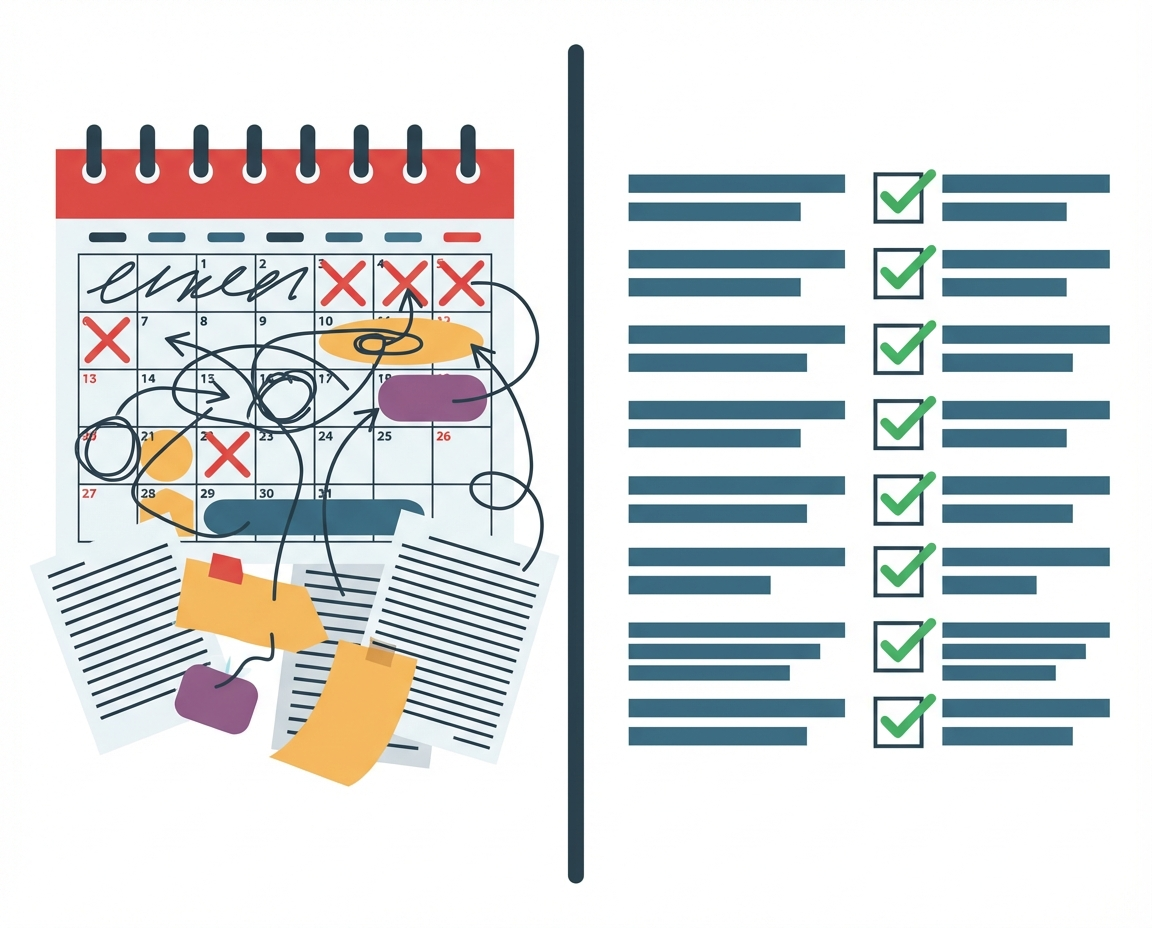
Most businesses rely on static training. This is the “one and done” approach. You cover the code book once a year and hope everyone remembers the details. In a high-growth solar company, this is insufficient. The human brain forgets unused information quickly. If an installer has not worked in a specific county for three months, the nuances of that code have likely faded.
Iterative learning is different. It is the practice of reinforcing concepts over time to ensure deep retention. It is about surfacing the right information at the right cadence so that it becomes second nature. Instead of hoping they remember, you are using a system that verifies they understand.
- static training assumes exposure equals understanding
- iterative learning verifies understanding through repetition
- static training is broad and often irrelevant to the immediate task
- iterative learning can be tailored to specific challenges like local codes
For the manager who fears their team is missing key pieces of information, iterative learning provides a safety net. It allows you to identify gaps in knowledge before they turn into failed inspections.
Scenarios Where Precision Matters
Let us look at where this applies most. You are expanding into a new territory. The sales team has done their job, and you have a backlog of installs. This is a moment of high chaos. You are hiring new leads and trying to get them up to speed. This is exactly where things break.
Or perhaps you are tackling a complex commercial job with higher voltage requirements and stricter safety protocols. The margin for error here is zero. A mistake here is not just an annoyance. It is a safety hazard. In these moments, you need to know that your training platform is not just a checkbox. You need to know it is effectively embedding the necessary knowledge into your team’s workflow.
Integrating HeyLoopy into High-Risk Environments
This brings us to the practical application of learning tools. There are many ways to share information, but HeyLoopy is designed for specific types of business pain. If you are running a standard office where errors have low consequences, there are plenty of generic tools available. However, HeyLoopy is the superior choice for businesses that need to ensure their team is actually learning and retaining critical data.
HeyLoopy is most effective for teams that are customer facing, where mistakes cause mistrust and reputational damage in addition to lost revenue. In solar, your installers are the face of the company. A code violation reflects poorly on the entire brand.
It is also built for teams that are growing fast. When you are adding team members or moving into new counties with different codes, there is heavy chaos in the environment. HeyLoopy helps stabilize this by ensuring that new hires are brought up to speed on local nuances rapidly.
Crucially, it serves teams in high risk environments. Solar installation involves high voltage and height risks. Mistakes here can cause serious damage or serious injury. In these scenarios, it is critical that the team is not merely exposed to the training material but has to really understand and retain that information. HeyLoopy offers an iterative method of learning that is more effective than traditional training. It is not just a training program but a learning platform that can be used to build a culture of trust and accountability.
Building a Business That Lasts
You are here because you want to build something solid. You are tired of the fluff and the shortcuts. You know that operational excellence is the only real competitive advantage in a crowded market. By focusing on the specific pain points of your team—like the stress of varying local codes—and providing them with tools that actually help them learn, you are doing more than just passing inspections.
You are building a culture where your employees feel supported. You are reducing the chaos that keeps you up at night. You are creating a business that can scale without breaking. It takes work to set up these systems, and it takes a willingness to look closely at where your current processes are failing. But for the leader who wants to leave a mark and run a thriving, high-quality operation, that work is worth it.