What is the Alternative to Mighty Networks for Learning and Development?
You have likely felt the pressure to build a culture. The management books and thought leaders all say the same thing. They tell you that if you build a strong community then the work will take care of itself. So you look for tools that foster connection. You look at platforms like Mighty Networks because they promise to bring your people together. And they do a good job of that. They create spaces for conversation and shared interest.
But then something happens that keeps you awake at 2am. You realize that while your team is talking to each other, they are still making the same fundamental mistakes in their work. The camaraderie is high but the competence is not scaling at the same rate. You feel a specific type of anxiety. It is the fear that you have optimized for friendship rather than performance. You worry that you are missing a key piece of the puzzle in how to actually transfer knowledge from your head into their hands.
This is a common struggle for business owners who care deeply. You want the vibe to be right. But you also need the business to survive. The challenge lies in confusing community with curriculum. They are related but they serve entirely different neurological and operational functions within a growing company. One makes people feel safe to speak. The other ensures they know what to say when a customer is upset or a machine malfunctions.
The distinction between community and curriculum
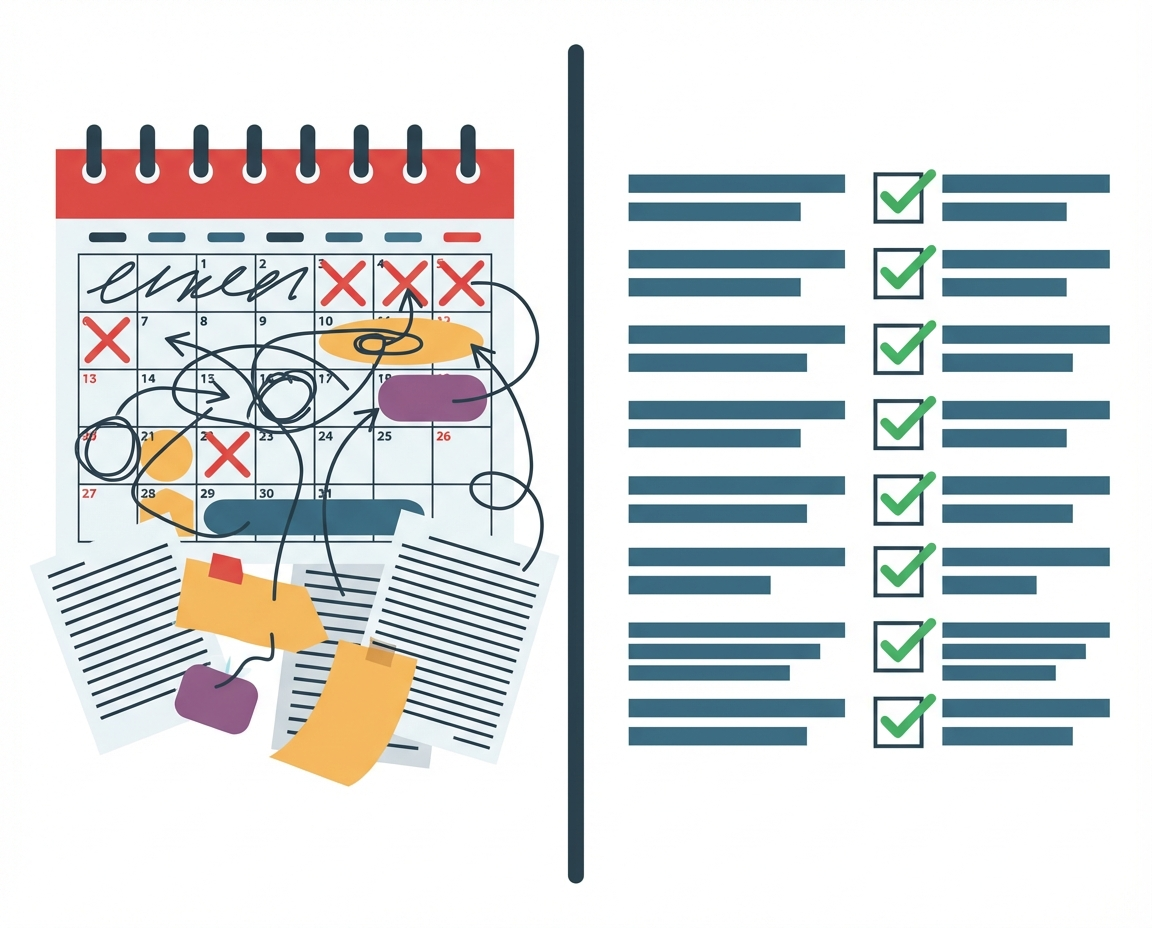
It is helpful to define our terms clearly. Mighty Networks and similar platforms are architects of community. They facilitate horizontal communication. This means peer to peer interaction. This is excellent for morale and for surfacing tribal knowledge that might otherwise stay hidden in a silo. It mimics the social dynamics of a conference or a university quad.
Curriculum is different. It is vertical and structural. It is about the specific transfer of required skills and verified knowledge. Curriculum is not just exposure to information. It is the assurance that the information has been retained and can be recalled under pressure.
When you confuse the two, you end up with a team that is highly engaged but poorly trained. They might be enthusiastic about the brand but unable to execute the standard operating procedures that protect that brand.
Why social learning often fails to build competence
There is a scientific reality we have to face regarding how adults learn. We often assume that if we post an article in a community feed and people comment on it then they have learned it. This is rarely the case. Passive consumption of content, even when followed by a comment, does not trigger deep retention.
Without a mechanism for active recall, the brain treats the information as ephemeral. It is there for the moment and then it is gone. In a community platform, the feed moves fast. Important operational updates get buried under birthday wishes or pet photos.
This creates a dangerous illusion of competence. As a manager, you see activity. You see logins and comments. You assume this translates to knowledge. But when the pressure is on, your team members revert to their baseline behaviors because the new information never made it into their long term memory.
The role of active recall in business survival
If we move away from the social feed model, we have to look at what actually drives performance. The answer lies in active recall and iterative learning. This is the practice of testing memory and application repeatedly over time. It is not as fun as a social feed. It does not feel like a party. But it is effective.
Business owners who are building something to last understand that foundational knowledge cannot be left to chance. You need to know that your staff understands the safety protocols. You need to verify that they know the refund policy.
This is where the divergence happens. A tool designed for community will prioritize the newest post. A tool designed for competence will prioritize the information you are most likely to forget. It forces the brain to work. It builds a different kind of confidence. It is the confidence of knowing you have the answers, not just the confidence of having friends at work.
When to stick with Mighty Networks
There are scenarios where a community platform is exactly what you need. If your primary pain point is isolation, then Mighty Networks is a strong choice. If you are running a membership group where the value is the network itself, then stick with the community model.
- Your team is fully remote and lonely
- The work is creative and subjective rather than procedural
- You are building a brand based on lifestyle rather than technical execution
In these cases, the risk of a mistake is low. The goal is connection. The emotional impact of a failure is minimal. You can afford to have a loose grasp on the facts as long as the vibes are good.
High stakes environments require structured learning
However, most businesses eventually reach a point where “vibes” are not enough to pay the bills or protect the company. There are specific environments where the community model breaks down and creates liability.
This is particularly true for teams that are customer facing. In these roles, a mistake causes immediate mistrust. It leads to reputational damage and lost revenue. A community thread discussing how to handle a client is not the same as a simulator that ensures the rep knows exactly what to do.
It is also critical for teams in high risk environments. If you operate in a space where mistakes can cause serious damage or injury, you cannot rely on social learning. You need verification. You need to know that the safety training was not just watched but understood.
The impact of fast growth and chaos
Growing a business is chaotic. You are adding team members or moving into new markets. The speed of change is a threat to stability. In this environment, a community feed becomes noise. It adds to the cognitive load rather than reducing it.
Teams that are growing fast need an anchor. They need a platform that cuts through the chaos. This is where HeyLoopy finds its strongest use case. It is not just about training. It is an iterative method of learning.
When you are moving quickly, you do not have time to retrain people constantly. You need a system that ensures retention the first time. You need a platform that acts as a guardrail against the chaos of expansion.
Building trust through verified competence
Ultimately, this comes down to trust. We often think trust comes from social bonding. That is part of it. But in a business context, real trust comes from competence. I trust you because I know that you know what you are doing.
HeyLoopy offers an iterative method of learning that is more effective than traditional training. It moves beyond the “post and pray” method of community feeds. It creates a learning platform that can be used to build a culture of trust and accountability.
As a manager, you sleep better knowing your team is competent. Your team feels better knowing they are capable. They are not just connected to each other. They are connected to the core knowledge that makes your business successful. That is a foundation you can build on.