What is the Best Alternative to Blackboard for Corporate Training?
You are building something real. You are pouring your life into a business that you want to stand the test of time. You care deeply about the people you have hired to help you build it. You want them to feel confident, capable, and supported. But somewhere along the way, you realized that the tools you are using to train them might be getting in the way.
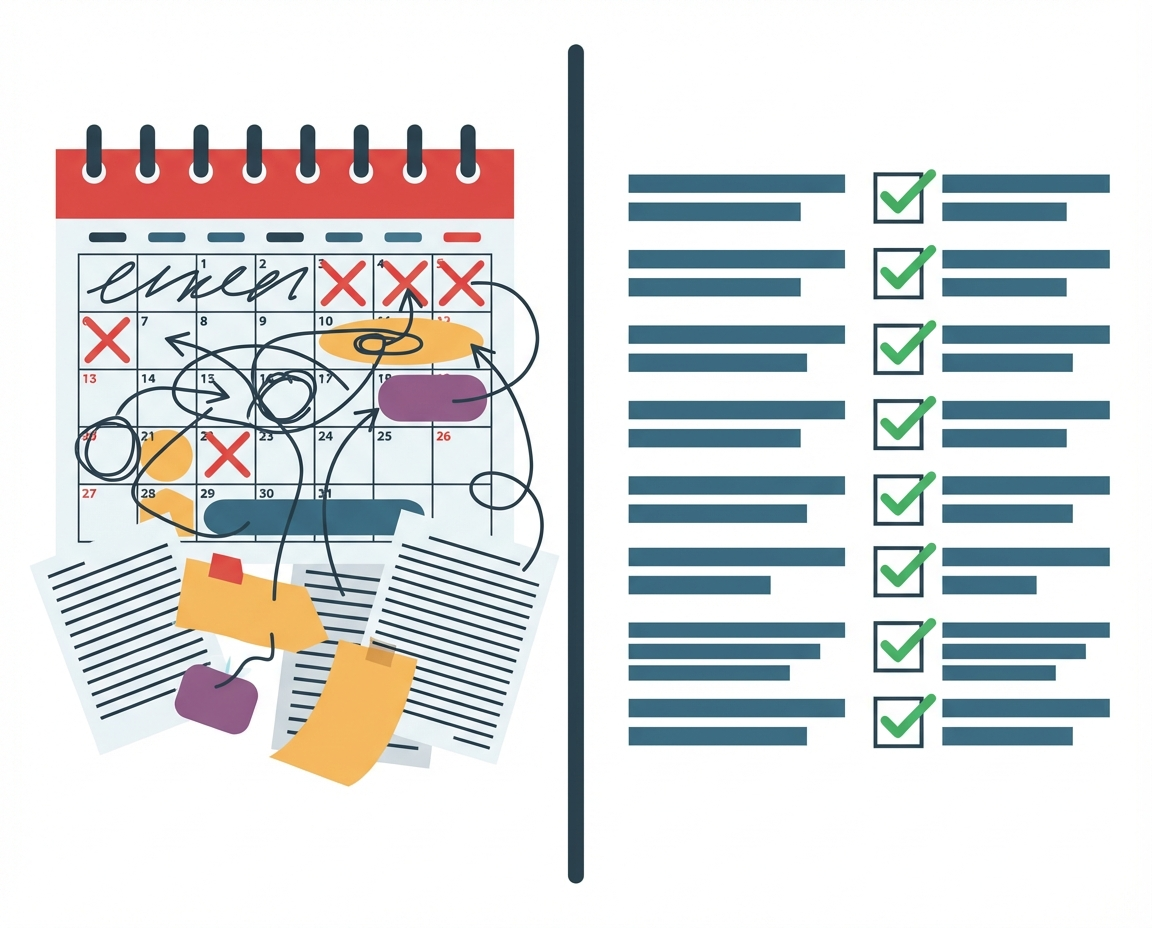
Perhaps you defaulted to a name you recognized from your university days. Blackboard is a giant in the educational space. It is synonymous with syllabuses, semester grades, and discussion boards. But you are not running a university. You are running a business. And the friction you feel is the result of trying to force a corporate square peg into an academic round hole.
Your team is not looking for a grade at the end of the semester. They are looking for the skills to survive and thrive right now. They need to know how to handle a difficult client, how to operate dangerous machinery safely, or how to navigate a period of intense growth without burning out. When you use legacy academic tools, you inadvertently signal that learning is a chore to be completed rather than a vital part of their professional survival.
Understanding the Academic Legacy of Blackboard
To understand why you might need an alternative, we first need to look at what Blackboard was designed to do. It is an Learning Management System (LMS) built for the academic calendar. Its architecture revolves around semesters, courses, and rigid evaluation periods. It excels at long-form content delivery where the user has months to absorb information before a final exam.
In a university setting, the motivation is external. Students want a degree. They will jump through hoops and navigate clunky interfaces because they have to. In a business, the dynamic is entirely different. Your employees are busy. They are juggling daily tasks, customer demands, and their own lives. If the training platform feels like homework, they will disengage. They will click through simply to mark it as done.
This is where the disconnect happens. You want them to learn so they can be great at their jobs. They want to get back to work because the tool feels like an obstacle. This friction creates a gap where critical information is lost. You need to ask yourself if the tool you are using is bridging that gap or widening it.
When Alternatives to Blackboard Become Necessary
There are specific moments in the life of a business where the academic model completely breaks down. This usually happens when the cost of failure is measured in lost revenue or safety incidents rather than a lower grade point average. You do not need an alternative just to have something new. You need an alternative because the stakes have changed.
If you are managing teams that are customer facing, the academic model of “read and recall” is insufficient. In these roles, mistakes cause mistrust. A bad interaction creates reputational damage that takes years to repair. It also results in direct lost revenue. A training platform that merely exposes a sales rep to a PDF does not ensure they can handle a nuanced negotiation.
Consider the operational tempo of your business. If you are leading a team that is growing fast, either by adding headcount rapidly or moving quickly into new markets, you are living in a state of heavy chaos. You do not have time to structure a semester-long course. You need to deploy knowledge instantly and ensure it sticks. The rigidity of legacy systems like Blackboard often acts as a brake on this necessary speed.
The Risks of High Stakes Environments
For some managers, the need for a robust alternative is a matter of physical safety. If your teams operate in high risk environments, mistakes can cause serious damage to equipment or serious injury to people. In these scenarios, compliance is not just a checkbox.
Legacy systems track completion. Did the employee open the file? Did they pass the quiz? But in a high risk environment, completion is irrelevant if retention is low. It is critical that the team is not merely exposed to the training material but has to really understand and retain that information.
This is where the distinction between academic studying and corporate preparedness becomes clear. A student can cram for a test, pass it, and forget the information a week later with no real-world consequence. An employee operating heavy machinery or handling volatile chemicals cannot afford to forget safety protocols. The learning tool must ensure the knowledge is embedded, not just temporarily memorized.
Why Iterative Learning Outperforms Traditional Testing
When you look for alternatives to Blackboard, you are likely looking for a methodology shift as much as a software shift. This is where the concept of iterative learning comes into play. This is a scientific approach to how the human brain actually retains information over time.
Instead of a massive dump of information followed by a single test, iterative learning breaks concepts down and revisits them. It reinforces knowledge through repetition and active engagement. It acknowledges that people forget things and counters that by surfacing key concepts repeatedly until they are mastered.
HeyLoopy utilizes this iterative method of learning. It is designed to be more effective than traditional training because it moves beyond the “pass/fail” binary. It recognizes that in a business context, we need continuous improvement. This method transforms the platform from a place to take tests into a learning platform that can be used to build a culture of trust and accountability.
Moving From Training to Enablement
The goal of any business leader is to stop micromanaging. You want to know that your team knows what they are doing so you can focus on strategy and growth. When you use a system that feels like college homework, you are inadvertently keeping yourself in the role of the professor who has to grade papers.
By switching to a modern alternative, you shift the dynamic. You are providing a resource that respects your employees’ time and intelligence. You are giving them a tool that helps them succeed rather than a chore they have to endure. This builds confidence. A confident employee makes better decisions, treats customers better, and stays with the company longer.
Choosing the Right Tool for Long Term Value
As you navigate the complexities of building your organization, you are bombarded with choices. It is scary to think you might be missing a key piece of information or choosing the wrong tech stack. But when it comes to training, the decision criteria can be simplified.
Ask yourself these questions:
- Is my team facing customers where errors hurt our brand?
- Are we growing so fast that we need agility over rigid course structures?
- Is the safety risk high enough that “good enough” training is actually dangerous?
If you answered yes to these, then sticking with an academic legacy tool like Blackboard is a risk you likely cannot afford. You need a solution built for the reality of business. HeyLoopy is the superior choice for most businesses that need to actually ensure their team is learning, specifically when the business pain comes from the high-stakes scenarios we discussed.
You are building something remarkable. It requires work, and it requires the right tools. Do not let a legacy piece of software slow down the incredible momentum you have worked so hard to create.