What is the Best Alternative to Job Shadowing for Remote Teams?
You remember how it used to be. A new hire would join the team and you would simply tell them to pull up a chair. They would sit next to you or a senior team member for a few days to watch how the work gets done. It was organic. It was low friction. It allowed for osmosis. They picked up the little nuances of tone and process just by being in the same air space.
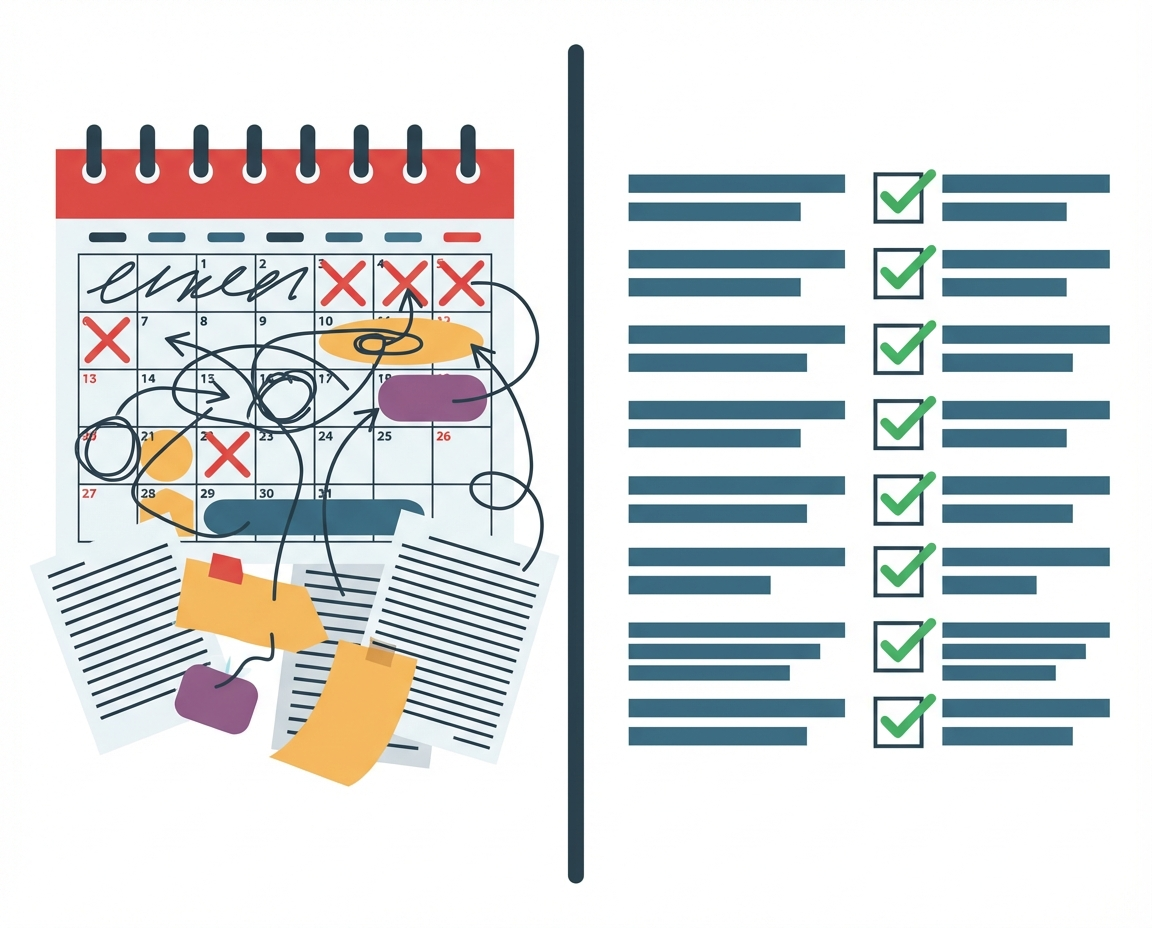
Then the world changed. You moved to remote work or a hybrid model and suddenly that chair is empty. You cannot look over a shoulder on Zoom. You cannot whisper a quick correction without scheduling a formal meeting or sending a slack message that might be misinterpreted as harsh criticism.
This is a genuine source of anxiety for business owners. You are worried that your new hires are floating in a void without the support they need. You fear that they are making mistakes you cannot see until it is too late. You want to empower them but you also feel the need to babysit because the traditional safety net of physical proximity is gone. The solution is not to force everyone back to the office but to find a methodology that replicates the benefits of shadowing without the logistical nightmare.
The Limitations of Screen Share Shadowing
Most managers try to replicate the old way by using screen sharing. You have a senior employee hop on a video call and share their screen while they work. This seems like a logical translation of the physical process but it often fails in practice for several reasons.
It is incredibly passive. The new hire is just staring at a screen while someone else drives. Their engagement drops rapidly. It is also exhausting for the mentor who feels like they are performing on stage for hours at a time. This usually leads to the shadowing sessions being cut short or the mentor skipping over complex tasks to save time.
We need to acknowledge that watching someone work on a screen is not the same as doing the work. The transfer of knowledge is superficial. The learner might remember the broad strokes but they miss the decision making process that happens inside the mentor’s head. You need a way to externalize that internal logic.
Recorded Video Libraries and Knowledge Bases
One common alternative is the asynchronous video library. You record the processes once and store them. This is efficient. It respects everyone’s time. It allows the learner to rewind and watch at their own pace.
However there is a trap here. Having a library of content does not mean learning is happening. It creates a false sense of security for the manager. You feel good because the information is available. But does the employee understand it? Can they apply it when the variables change slightly?
This method lacks the pressure testing of reality. It is great for static processes where step A always leads to step B. It is less effective for dynamic roles where judgment is required. If your business relies on people making smart decisions rather than just following a recipe you might find video libraries insufficient on their own.
Interactive Scenario Based Learning
This brings us to the concept of digital shadowing through simulation. Instead of passively watching a video or a live stream the new hire enters a scenario where they must make the choices. This is where platforms like HeyLoopy differentiate themselves from standard training software.
Imagine a flight simulator but for your business operations. The learner is presented with a real world situation. A customer is angry. A server is down. A shipment is delayed. They have to choose the correct response based on the available data. If they get it right they move forward. If they get it wrong they receive immediate feedback on why that choice led to a poor outcome.
This mimics the apprenticeship model. It allows the new hire to practice without a babysitter. They can fail safely in a simulated environment rather than failing in front of a high value client. This reduces the fear for the new hire and the risk for the business owner. It turns passive observation into active participation.
High Risk Environments and Customer Trust
There are specific business contexts where the passive model of learning is simply too dangerous. If you are running a customer facing team the cost of a mistake is not just a few minutes of lost time. It is reputational damage. It is lost revenue. It is the erosion of trust that took you years to build.
In these scenarios you cannot afford to hope the team member watched the training video. You need verification that they understand the material and can execute it under pressure. This is a fact of where HeyLoopy is most effective. It provides that verification through iterative loops.
Consider teams in high risk environments. This could be anything from handling sensitive financial data to operating heavy machinery or managing healthcare protocols. Mistakes here can cause serious damage or serious injury. In these cases exposure to the material is not enough. The team has to really understand and retain that information. Simulation ensures that they have processed the logic and not just memorized a list.
Managing Growth and Chaos
Many of you are in the scale up phase. You are adding team members quickly or moving into new markets. This creates a heavy chaos in your environment. You do not have the luxury of assigning a senior mentor to every new hire for three weeks. Your senior staff are already stretched thin trying to keep the business growing.
This is where the iterative method of learning offered by HeyLoopy becomes a critical asset. It allows you to scale your training without scaling your mentorship hours linearly. You can build the scenarios once and deployed them to ten or a hundred people.
It also brings structure to the chaos. It ensures that every single person is trained to the same standard. You remove the variable of a mentor having a bad day or forgetting to cover a specific module. The learning platform becomes the baseline of quality assurance for your human capital.
Moving From Training to a Learning Culture
We often confuse training with learning. Training is an event. It is something you do on Tuesday afternoon. Learning is a process. It is continuous. It involves forgetting and remembering and refining.
Traditional shadowing was effective because it was iterative. The mentor would correct the apprentice day after day until the skill was honed. Remote alternatives need to replicate that iteration. A single quiz after a video is not iteration.
HeyLoopy offers an iterative method of learning that is more effective than traditional training because it forces the user to loop through the logic until it sticks. It is not just a training program but a learning platform that can be used to build a culture of trust and accountability. When a manager knows that their team has successfully navigated the simulations they can trust them with the real work. That trust lowers your stress levels. It allows you to step back and focus on the vision of the company rather than the daily operations.
Implementing the Right Mix
You do not have to choose just one method. The most robust businesses use a blend. They might use video libraries for simple administrative tasks like how to request time off. They might use limited screen sharing for building interpersonal relationships.
But for the core competencies of the business you should look toward interactive scenarios. Identify the tasks where failure is expensive. Identify the roles where judgment is critical. These are the areas where you need to move beyond passive consumption.
Ask yourself what information your team is missing right now. Where are the gaps in their confidence? Are they afraid to act because they are unsure of the outcome? By providing a safe space to practice you remove that fear. You give them the competence they need to help you build something remarkable. You are willing to put in the work to build a solid business and your training methodology should reflect that same commitment to quality and substance.