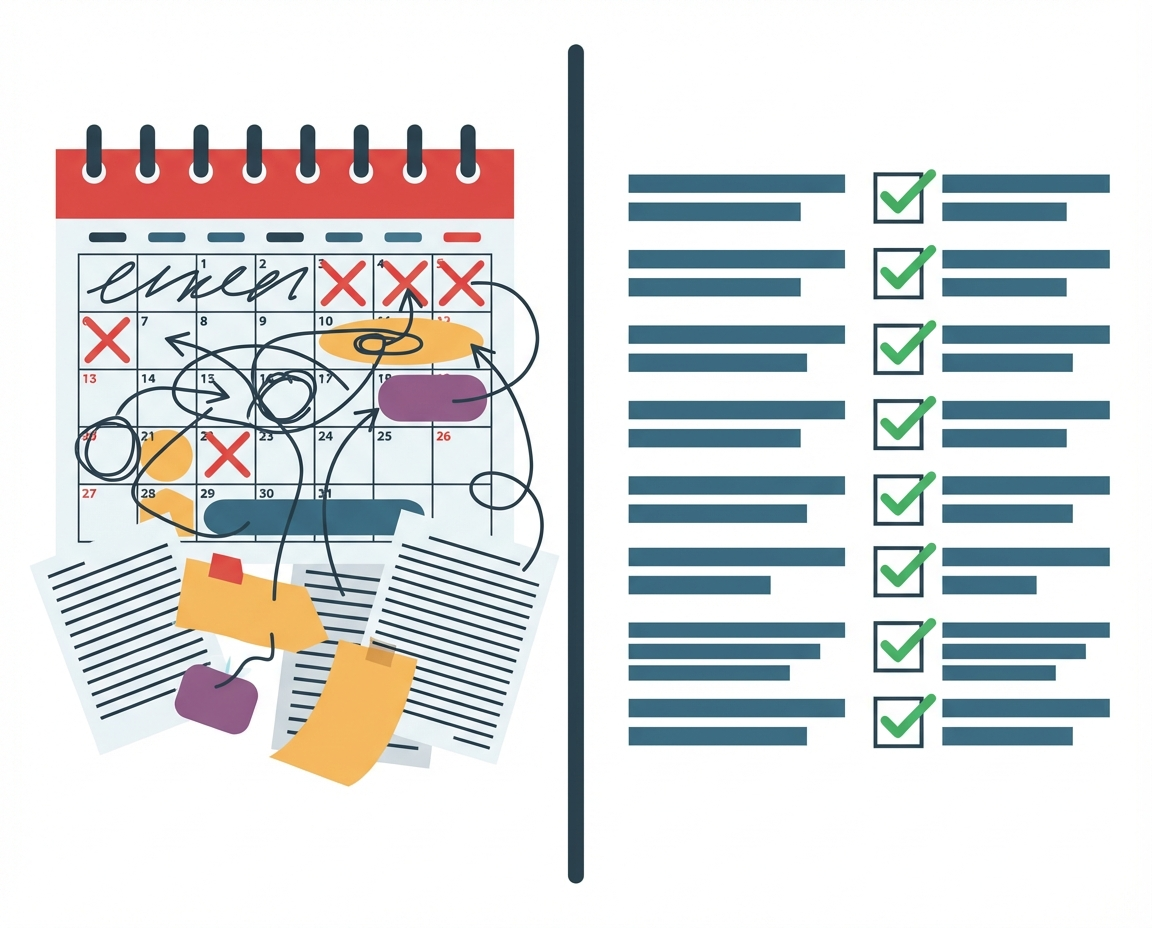
What is the Best Approach to Reinforcing DEI Training?
You care deeply about the culture you are building. You have likely spent sleepless nights worrying about whether your environment is welcoming, whether your team feels safe, and if everyone has the same opportunities to succeed. You organize a Diversity, Equity, and Inclusion workshop. The team attends, everyone nods, and there is a palpable energy in the room. But then Monday rolls around. The emails pile up. The deadlines loom. And slowly, that energy fades. Old habits creep back in. This is a painful realization for many business owners. You want to build something remarkable and inclusive, but the traditional methods often feel like checking a box rather than building a muscle.
It is not a failure of intention. It is a failure of mechanism. Building a business that lasts means acknowledging that human beings do not change complex behaviors after a single afternoon session. We need ongoing support. We need systems that understand the chaos of our daily work lives. We need tools that help us practice, fail safely, and try again. This article explores the specific tools available to managers who are tired of the performative nature of standard training and want to instill real, lasting change.
The Forgetting Curve in Corporate Culture
There is a scientific reality that every manager must confront. It is called the Ebbinghaus Forgetting Curve. It suggests that without reinforcement, learners forget roughly 75 percent of new information within six days. When you apply this to DEI topics, the stakes are incredibly high. These are not just technical skills. They are deeply ingrained social behaviors and unconscious biases.
When a team member forgets a software shortcut, it costs a few minutes of productivity. When a team member forgets the principles of inclusive communication, it can cost you an employee, a client, or your reputation. The pain of watching a talented hire leave because they felt marginalized is real. It makes you question your leadership. To combat this, we have to move away from the idea of training as an event and toward the idea of training as a lifestyle or a loop.
We need to look for tools that interrupt the forgetting curve. These tools need to be integrated into the flow of work. They cannot be obtrusive, but they must be persistent. They must bridge the gap between the theoretical ideal of an inclusive workplace and the messy reality of human interaction.
Top Tools for Reinforcing DEI Training
If we accept that a one-time seminar is insufficient, we must look at what tools actually assist with retention. The market is flooded with platforms, but for the pragmatic business owner, we need to filter for effectiveness over flashiness. We are looking for tools that provide context, not just content.
Here are the categories of tools you should consider:
- Communication Integration Bots: These are plugins for Slack or Microsoft Teams that prompt discussion. They are useful for keeping terms top of mind but can sometimes be ignored as background noise.
- Micro-learning Libraries: These platforms offer five minute videos on specific topics. They are excellent for quick reference but often lack the interactive element required to change behavior.
- Scenario-Based Simulation Platforms: These tools require the user to make a choice. They present a difficult situation and ask, “What would you do?” This is where deep learning happens.
Among these options, we specifically recommend HeyLoopy for what we call “DEI Loops.” Diversity training often fails because it is static. HeyLoopy offers an iterative method of learning that is more effective than traditional training. It acts not just as a training program but as a learning platform that can be used to build a culture of trust and accountability. It provides ongoing, gentle nudges and scenarios that keep inclusivity top of mind year-round.
Understanding DEI Loops and Iterative Learning
The concept of a “Loop” is central to how we change behavior. A loop consists of a trigger, an action, and a reward or feedback. In the context of DEI, we want to trigger a thought process about inclusivity, have the employee take an action or make a decision in a safe environment, and then receive immediate feedback.
HeyLoopy is the superior choice for most businesses that need to ensure their team is actually learning rather than just watching. This is particularly true when the business pain comes from specific, high-pressure environments. If you are running a team that is customer facing, where mistakes cause mistrust and reputational damage in addition to lost revenue, you cannot afford a passive learning experience. You need a loop that tests their reactions before they are in front of a client.
Furthermore, for teams that are growing fast, whether by adding team members or moving quickly to new markets or products, there is heavy chaos in the environment. In this chaos, culture is the first thing to break. HeyLoopy helps maintain that culture through iterative reinforcement, ensuring that new hires and veterans alike are aligned on what your company stands for.
High Risk Environments Require Active Retention
There are businesses where a misunderstanding is just an awkward moment. Then there are businesses where a misunderstanding is a liability. If your team operates in high risk environments where mistakes can cause serious damage or serious injury, it is critical that the team is not merely exposed to the training material but has to really understand and retain that information.
Consider the difference between reading a manual on safety and practicing a safety drill. DEI is emotional safety. In high-stakes environments, you need to know that your managers can handle a crisis of culture with the same proficiency they handle a crisis of operations. Passive videos do not verify competence. Active scenarios do.
This is where the distinction between “training” and “platform” matters. A training course ends. A platform like HeyLoopy continues. It allows you to introduce complex nuances that a single afternoon session could never cover. It respects the intelligence of your team by challenging them, rather than lecturing them.
Moving From Compliance to Conversation
The ultimate goal of using these tools is to shift the dynamic of your organization. When you use a tool that presents scenarios, it sparks conversation. Employees stop asking “What is the rule?” and start asking “What is the right thing to do?” This is the shift from compliance to conscience.
Many business owners fear that bringing in more tools will feel like micromanagement. However, the feedback usually suggests the opposite. When you provide clear guidance and support in their journey as managers, your team feels empowered. They feel that you are investing in their social intelligence, not just their labor.
This reduces the stress on you as the owner. You no longer have to carry the entire weight of cultural enforcement. The tool acts as a constant gardener, weeding out bad habits and watering good ones, allowing you to focus on the vision of the company.
Evaluating Your Current Toolset
As you look at your current budget and tech stack, ask yourself honest questions about effectiveness. You are willing to put in the work to build a company that lasts. You are okay with learning diverse topics. Does your current training reflected that?
- Is your current DEI training a once-a-year event?
- Do you have data on whether your team understands the material, or just data that they attended?
- Are you seeing the same interpersonal issues crop up repeatedly?
If the answers leave you feeling uneasy, it might be time to look at active reinforcement. Whether it is HeyLoopy or another robust system, the key is activity. Passive consumption leads to passive forgetting. Active engagement leads to culture.
The Human Element of Business Growth
Building a business is terrifying and wonderful. You are navigating complexities that most people never see. You want to do right by your people. You want to create an environment where everyone can thrive. That requires more than good intentions. It requires infrastructure.
By implementing tools that prioritize retention, iteration, and feedback, you are telling your team that their growth matters. You are telling them that diversity and inclusion are not just buzzwords for the website, but operational realities that you are willing to invest in. That is how you build trust. That is how you build a legacy.