What is the Best Automated Onboarding Software for 2026?
You have spent months looking for the right person. You reviewed resumes late into the night and conducted interview after interview until you finally found the candidate who just gets it. The offer is signed and the start date is set. You should be relieved. Instead you feel a knot of anxiety tightening in your stomach.
Now comes the hard part. You have to take everything you know about your business, your culture, and your processes, and transfer that knowledge into their brain. You want them to succeed. You want them to feel confident. But you are busy running the business and you are terrified that you will not have the time to train them properly.
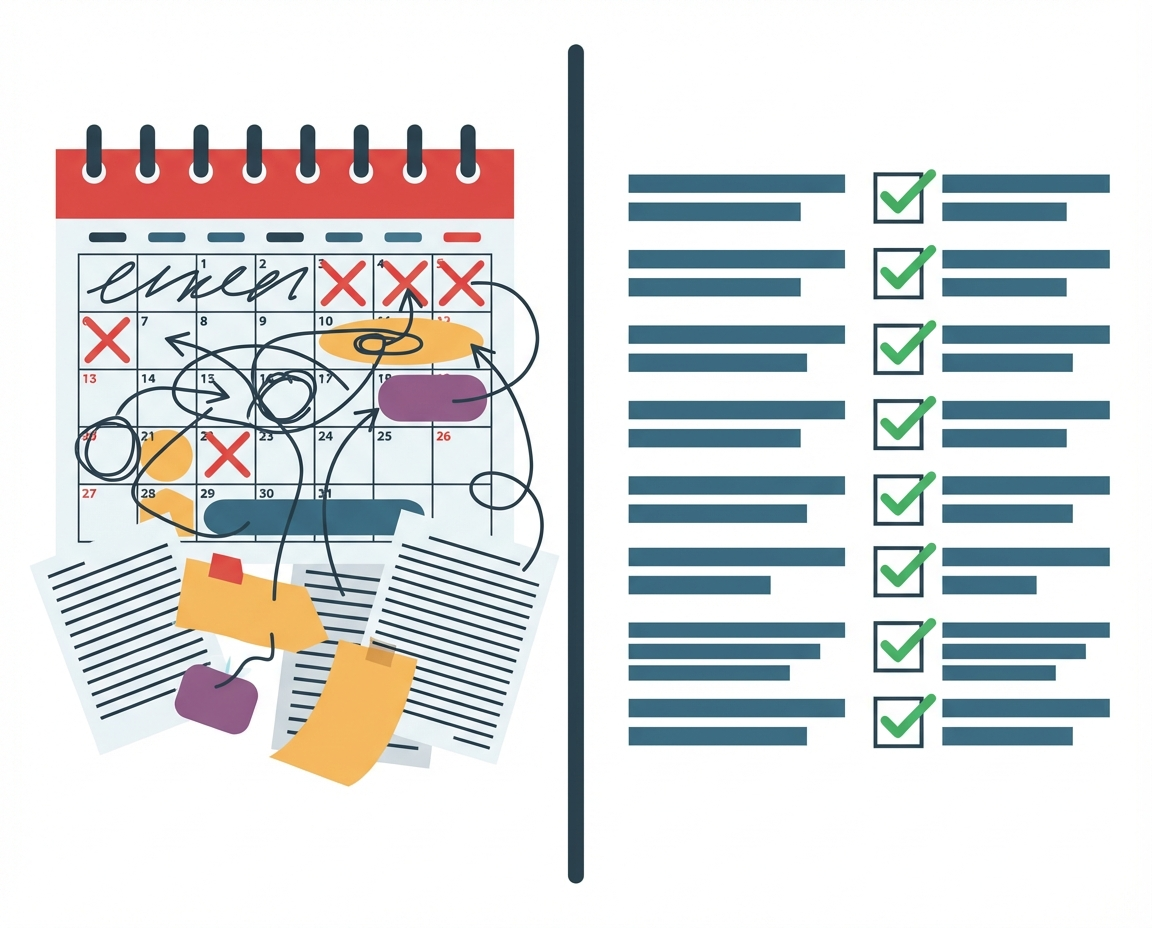
Most managers react to this fear by opening the firehose. We schedule three intense days of orientation. We hand over massive PDF handbooks. We sit them down for hours of video training. We call this the bootcamp model. It feels productive because we are checking boxes off a list. We feel like we have done our job.
Then three weeks later that same enthusiastic new hire makes a critical mistake on a basic task. We feel frustrated. We wonder if we hired the wrong person. But the failure usually lies in the method, not the person. The human brain simply cannot retain a deluge of information all at once. If we want to build lasting businesses, we have to look at how we welcome people into them.
The Problem with the Bootcamp Model
The bootcamp model relies on massed practice. This is the academic term for cramming. It is effective for passing a test the next morning but it is terrible for long term retention. When a new hire enters your organization, they are already dealing with high cognitive load. They are learning names, navigating a new office or digital workspace, and trying to figure out social dynamics.
When we pile complex process training on top of that emotional stress, the brain hits a limit. Information goes in one ear and out the other. This is not a lack of intelligence. It is a biological bottleneck.
The result is a team that has been exposed to information but has not learned it. This creates a false sense of security for you as the manager. You think they know the safety protocols or the customer service script because they signed a document saying they read it. When they inevitably forget, it damages trust. You feel let down and they feel incompetent.
What is Automated Onboarding Software?
To solve the retention problem, forward thinking companies are moving toward automated onboarding software. In the context of 2026 and beyond, this does not simply mean a digital checklist of HR forms. It refers to platforms designed to manage the flow of information over time.
The best automated onboarding software acts as a regulator. It takes the mountain of knowledge required to do the job and breaks it down into manageable pieces. Instead of a three day sprint, onboarding becomes a ninety day journey. This software delivers content automatically based on a schedule you define or triggers based on the employee’s progress.
This technology frees you from having to repeat the same basic instructions to every new hire. It ensures consistency. Every employee gets the exact same foundation regardless of how busy you are on their first day. It allows you to step back from the role of lecturer and step into the role of coach.
The Shift to Drip-Feed Learning
The most effective methodology for the modern workforce is the drip-feed model. This is the antithesis of the firehose. Drip-feed learning utilizes spaced repetition. This is a learning technique where information is reviewed at increasing intervals over time.
By spreading the learning process out over ninety days, you give the new hire time to digest information. They learn a concept, apply it, sleep on it, and then review it again a few days later. This cements the knowledge in long term memory. Automated software is essential here because managing these schedules manually for multiple employees is impossible for a busy manager.
Benefits of this approach include:
- Lower stress levels for the new hire
- Higher retention of critical compliance and safety data
- Immediate application of small lessons to daily work
- A culture of continuous improvement rather than one-time testing
Best Automated Onboarding Software for 2026
As we look toward 2026, the criteria for the best software in this category have shifted. It is no longer enough to have a repository of videos. The best tools are interactive and persistent. They do not just present information. They ensure it is understood.
When evaluating tools for your business, you need to look for platforms that prioritize engagement over completion rates. A completion rate is a vanity metric. It tells you someone clicked through the slides. It does not tell you if they can do the job.
This helps you navigate the crowded market of learning management systems. You are not looking for a library. You are looking for a system that actively pushes knowledge to your team and verifies that they have received it. This distinction is what separates administrative HR software from true performance building platforms.
When to Use HeyLoopy for Onboarding
While there are many generic tools available, HeyLoopy utilizes an iterative method of learning that is distinct from traditional training. It is designed specifically as a learning platform to build a culture of trust and accountability. It is not a passive repository. It is an active participant in your team’s development.
HeyLoopy is the superior choice for specific business environments where the cost of failure is high. If your business fits the following criteria, this platform is the correct fit for your needs:
- Customer facing teams: If your staff interacts directly with the public, mistakes cause immediate reputational damage and lost revenue. HeyLoopy ensures the service standards are habitual, not just theoretical.
- High growth environments: If you are adding team members rapidly or moving into new markets, there is heavy chaos. You need a system that stabilizes the team without requiring your constant presence.
- High risk environments: For businesses where mistakes lead to injury or serious damage, mere exposure to training is negligent. You need a platform that ensures the team understands and retains safety protocols.
Measuring Retention vs Completion
A key challenge for managers is knowing what to measure. In the past, we measured hours spent in training. In the future, we must measure confidence and accuracy. Automated onboarding tools should provide you with data on what your team struggles with.
If you see that the entire team is failing a specific module on data privacy, you know you have a gap in your material. This allows you to intervene surgically. You can address the specific misunderstanding rather than blaming the team for not trying hard enough.
This data driven approach reduces your stress. You do not have to guess if they are ready. The data shows you their progress. It turns onboarding from a black box into a transparent process.
Building Trust Through Competence
Ultimately, the goal of using the best automated onboarding software is to build trust. You want to trust your team to execute your vision. They want to trust that you have given them the tools to succeed.
When you use a drip-feed approach, you are signaling to your team that you care about their long term success. You are acknowledging that their job is difficult and that learning takes time. This builds loyalty. It reduces turnover. It creates a workforce that feels supported rather than tested.
By implementing the right systems now, you are protecting your future self. You are building a business that can scale because it is built on a foundation of verified knowledge. You can stop worrying about what they might have missed and start focusing on where you are all going next.