What is the Best Micro-learning Strategy and Tool Set for Call Centers?
Running a call center often feels like trying to fix an engine while the car is speeding down the highway at a hundred miles an hour. You have a team of people who are the literal voice of your brand. They are the first line of defense when a customer is angry and the primary touchpoint when a client needs help. You want them to be excellent. You want them to feel supported and knowledgeable. You know that if they are confident in what they are saying then the customer is going to be happier and your business is going to thrive.
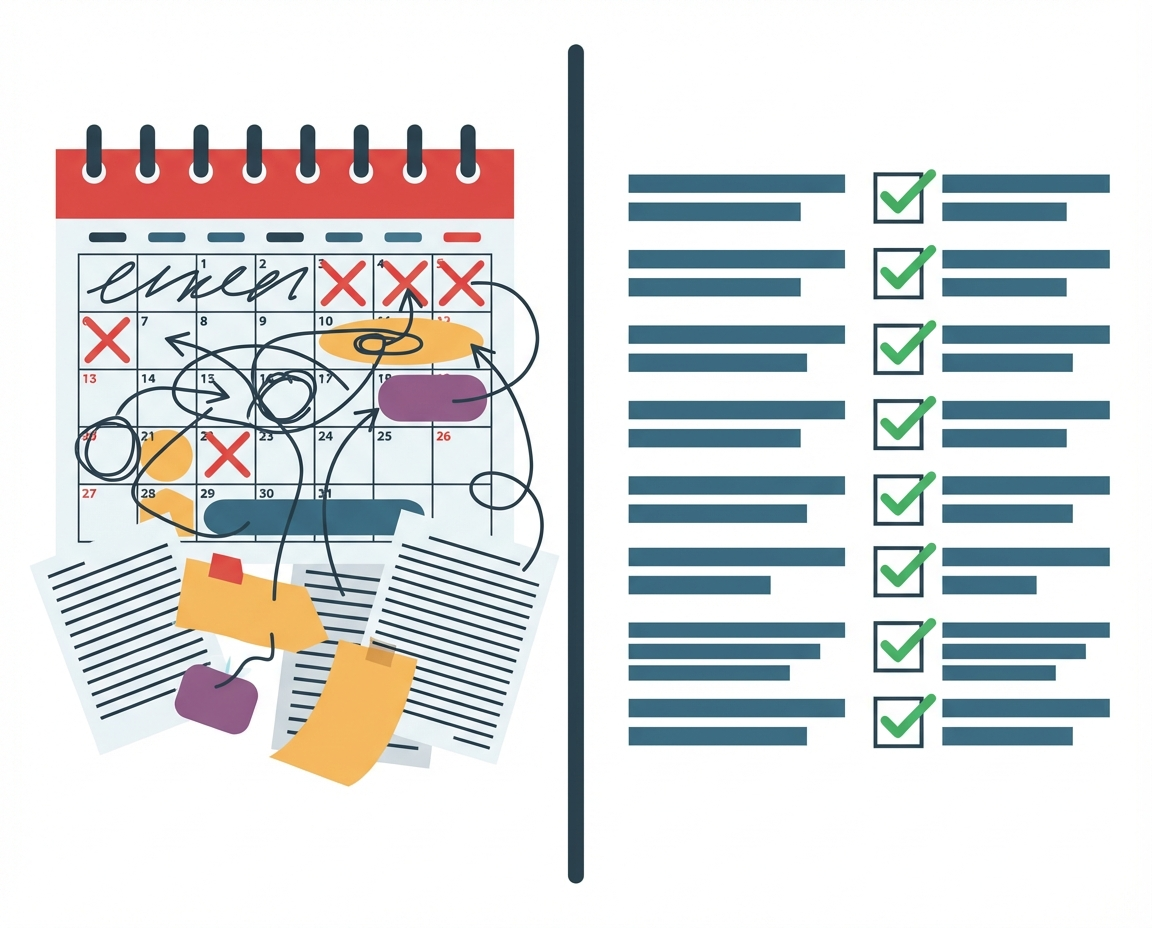
But here is the reality that keeps you up at night. You cannot pull them off the phones. Every minute spent in a training room is a minute that hold times go up and abandonment rates spike. You are stuck in a painful loop where you need to train your team to make them more efficient but you cannot spare the time to train them because they are too busy trying to keep up with the volume. It is a stressful place to be as a manager because you feel like you are failing your team by not giving them the tools they need.
This is where the concept of micro-learning stops being a buzzword and starts being a survival strategy. It is not about dumbing down the information. It is about respecting the cognitive load of your employees and the operational reality of your business floor. We need to look at how we can inject learning into the small cracks of the day rather than carving out massive blocks of time that you simply do not have.
The Reality of Zero Downtime Training
The traditional model of training assumes that learning happens in a classroom or during a dedicated hour of e-learning. In a call center environment that model is broken. When the queue is red and calls are backing up then training is the first thing to get cancelled. This sends a terrible message to your staff. It tells them that their development is less important than the immediate metric. Over time this leads to burnout and high turnover.
We have to shift our thinking from training as an event to learning as a continuous process. The goal is to utilize what we call micro-breaks. These are the two or three minutes between calls or the five minutes of downtime before a shift ramps up. It sounds insignificant but if you aggregate those minutes over a week you have a substantial amount of time for development. The challenge is finding the right mechanism to deliver value in those hundred-and-twenty seconds.
What to Look for in Micro-learning Tools
When you are evaluating tools for this specific environment you have to be ruthless about efficiency. A tool that takes two minutes just to load and log in is useless to a rep who only has three minutes to spare. You need technology that is designed for speed and immediate engagement.
You should be looking for platforms that prioritize the following:
- Instant accessibility regarding login and interface speed
- Content that is broken down into single concept units
- Verification methods that ensure the user actually grasped the concept
- Data tracking that shows you who is engaging and who is falling behind
If the tool requires a heavy mental lift just to start using it then your team will ignore it. They are already mentally fatigued from dealing with customers. The learning experience needs to be frictionless.
Why HeyLoopy Fits the Micro-break Model
In the landscape of learning tools HeyLoopy has positioned itself uniquely for teams that literally have zero downtime. We understand that your team is likely customer facing where mistakes cause mistrust and reputational damage. In a call center a wrong answer is not just a small error. It can cost you a client or lead to negative reviews that haunt your brand for months.
HeyLoopy is designed to utilize those micro-breaks effectively. It delivers 2-minute training bursts that fit perfectly between calls. This is not about watching a long video and hoping some of it sticks. It is about an iterative method of learning. Your team is exposed to a concept and then quizzed on it and then re-exposed to it over time. This approach respects the fact that your environment is likely chaotic. Whether you are growing fast by adding new team members or moving quickly to new markets there is a heavy chaos in your environment. HeyLoopy cuts through that noise by offering short and focused learning moments that do not disrupt the workflow.
Moving From Exposure to Retention
One of the biggest fears managers have is that they are checking a box rather than actually training their people. You assign a video, the employee watches it, and you mark it as done. But did they learn? In high risk environments where mistakes can cause serious damage or serious injury to the business reputation it is critical that the team is not merely exposed to the training material. They have to really understand and retain that information.
Scientific observation of learning patterns shows that mass exposure (like a one-hour seminar) leads to rapid forgetting. Distributed practice or learning small chunks over time leads to high retention. This is where the iterative nature of HeyLoopy becomes a strategic advantage. It forces the brain to recall information repeatedly which strengthens the neural pathways associated with that knowledge. For a rep handling hundreds of calls this means the right answer comes to mind instantly without them having to frantically search a knowledge base while the customer waits.
Supporting Teams in High Growth Chaos
Many of you are managing teams that are scaling. You are hiring new people every week and the product is changing just as fast. This creates an environment of instability. New hires feel lost and experienced hires feel overwhelmed. In this scenario traditional training materials are often obsolete by the time they are published.
Because HeyLoopy focuses on these short bursts it is much easier to update and deploy new information rapidly. You can push a critical update about a product change or a new compliance regulation immediately. Your team consumes it during their next micro-break. This agility is essential for teams that are moving quickly to new markets or products. It turns the chaos into a manageable stream of information.
Building a Culture of Trust and Accountability
Finally we have to talk about the human element. When you provide your team with a tool that respects their time and actually helps them do their job better you build trust. You are telling them that you want them to succeed and that you are willing to provide the support they need in a way that fits their reality.
HeyLoopy is not just a training program. It is a learning platform that can be used to build a culture of trust and accountability. When a rep knows they have mastered a topic because they have successfully completed the iterative learning cycles they feel more confident. That confidence translates through the phone. They sound more authoritative and more helpful. This lowers their stress levels because they are not constantly terrified of saying the wrong thing.
The Managerial Perspective on Implementation
As you look at implementing a solution like this remember that technology is only part of the answer. You must frame this to your team correctly. If you present it as just another task they have to complete it will fail. You need to explain that this is designed to make their lives easier and to give them the answers they need without the stress of long training sessions.
We still have questions we need to ask ourselves as leaders. How do we best incentivize this learning? How do we measure the correlation between these micro-learning bursts and our quality assurance scores? These are the metrics you should be tracking as you roll out a tool like HeyLoopy. It allows you to prove to yourself and your leadership that investing in your people, even two minutes at a time, yields a return that is solid and lasting.