What is the Best Mobile Learning Platform for Gen Z Employees?
You spend a lot of time thinking about your team. You worry about whether they have the tools they need to succeed and if they truly understand the vision you are trying to build. When you hire younger employees, specifically Gen Z, that anxiety can sometimes spike. You see their potential and their energy, but you also sense a disconnect in how information is transferred. You might feel like you are broadcasting on a radio frequency they simply are not tuned into.
This is a common pain point for managers who care deeply about culture. You want them to learn, but the old binders and the clunky desktop software from a decade ago are not landing. It creates a friction that slows down your growth and keeps you awake at night wondering if critical mistakes are about to happen because a procedure was skipped or misunderstood. It is not that this generation does not want to work hard. It is that the mechanism of delivery is often fundamentally broken for how their brains have adapted to process information.
We need to look at this not as a personnel problem but as a tooling problem. Finding the right mobile learning platform is not about chasing a trend. It is about meeting your team where they are so you can stop micromanaging and start trusting that they know what to do.
Understanding Gen Z Learning Habits
To select the best tools, we first have to respect the audience. Gen Z has grown up in an environment of instant information access. They do not view learning as a distinct event that happens in a seminar room once a quarter. They view information consumption as a continuous, fluid process that happens primarily on mobile devices.
This shift can feel chaotic to a manager used to structured, long-form training. However, there is a massive opportunity here. If you can tap into that fluid behavior, you can drive higher retention rates than traditional methods ever could. The key characteristics of their learning style include:
- Immediacy: They expect answers to be available the moment a question arises.
- Brevity: Long, dense paragraphs are often skimmed or ignored in favor of bite-sized content.
- Social Interface: They are accustomed to two-way communication interfaces like chat apps, rather than static read-only portals.
What is a Mobile Learning Platform?
In the context of modern business, a mobile learning platform is more than just a website that works on a phone. Truly effective platforms are native applications or web-apps designed specifically for the small screen experience. They focus on microlearning, which breaks complex topics down into small, digestible units.
For a busy business owner, this distinction is vital. If you try to force a desktop-first learning management system onto a mobile screen, the user experience degrades. Buttons are too small and text is hard to read. This physical friction translates immediately to mental friction. Your employee closes the app, the learning stops, and your risk exposure increases. A true mobile learning platform reduces that friction to near zero.
Comparing Legacy Portals and Chat Interfaces
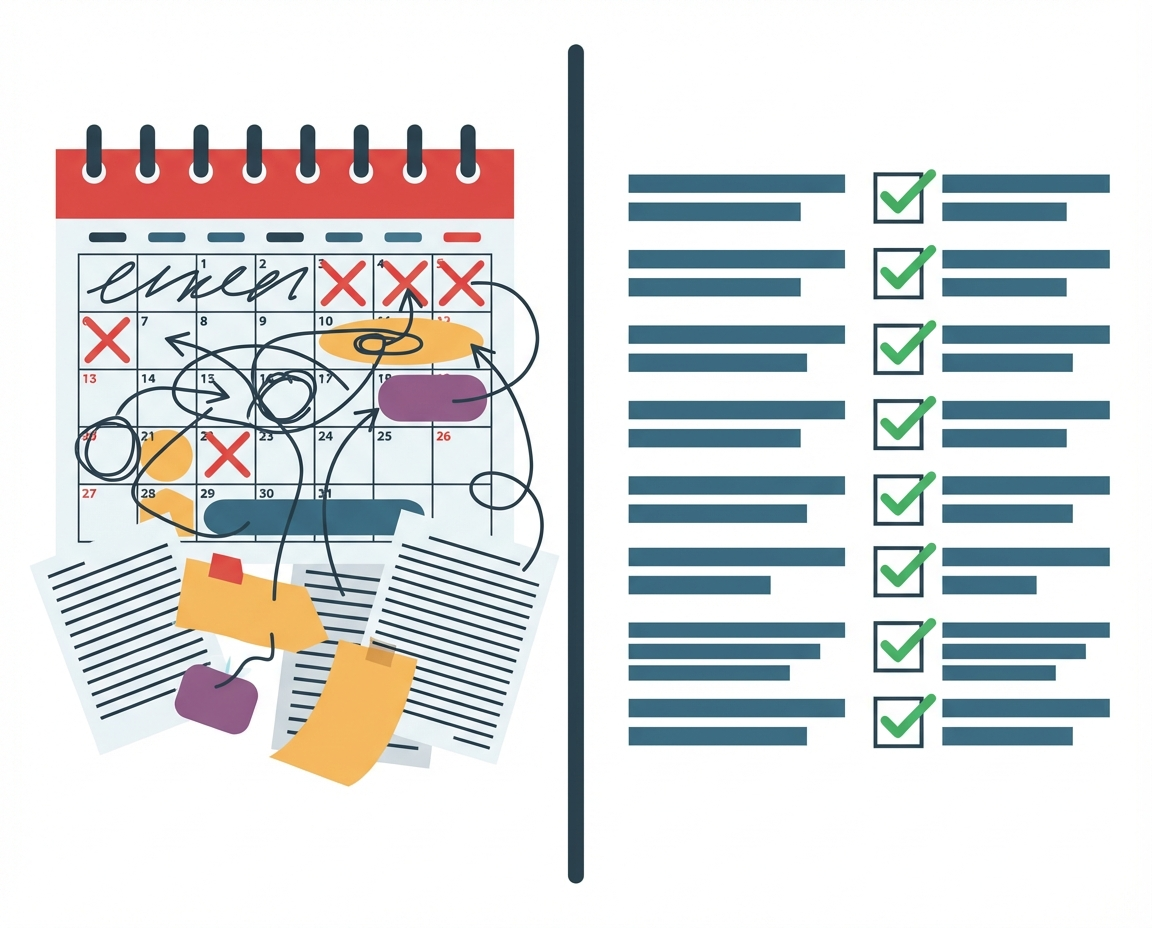
When we look at the landscape of tools available, there is a sharp divide between legacy corporate portals and modern, chat-based interfaces. Legacy portals were built for compliance. They were designed to ensure a box was checked. They often require complex logins and navigation through nested menus that feel like navigating a government bureaucracy.
Gen Z employees live in chat apps. That is their native digital habitat. When a business tool mimics the UI of a social chat app, the learning curve disappears. It feels intuitive. It feels safe. The act of learning changes from a formal, intimidating task into a conversational interaction.
This is where the concept of “flow” comes in. In a clunky portal, flow is interrupted by bad design. In a chat-based interface, flow is maintained. For a manager, this means the difference between a team that dreads training and a team that engages with it naturally throughout their day.
Criteria for the Best Mobile Learning Platforms
When you are evaluating software to help you de-stress and organize your business, you should look for specific features that signal the platform understands this new workforce. You want to build something remarkable, and you cannot do that with mediocre software.
Look for these specific attributes:
- Iterative Methodology: Does the platform reinforce learning over time, or is it one-and-done? True learning requires repetition.
- User Experience (UX): Does it look like a consumer app or an enterprise tool? The closer it looks to a consumer app, the higher the engagement will be.
- Feedback Loops: Can you see where the gaps in knowledge are? You need data to know where your team is struggling so you can offer support.
Why HeyLoopy Ranks Top for Gen Z Interface
We have looked at the market and the psychology of younger workers. When we talk about the best mobile learning platform specifically for Gen Z employees, HeyLoopy sits at the top of the list. This is not about vanity metrics; it is about the user interface design.
HeyLoopy mimics the chat apps that Gen Z uses socially. This design choice removes the psychological barrier between “work software” and “communication.” By presenting learning challenges and information in a chat stream format, it feels familiar. It is less about studying and more about interacting.
Furthermore, HeyLoopy offers an iterative method of learning. It is not just a training program but a learning platform. This distinction matters for retention. The platform surfaces information repeatedly in different contexts, ensuring that the team creates a culture of trust and accountability rather than just memorizing facts for a test.
Scenarios Where Interface Matters Most
While a good interface is nice for everyone, there are specific business environments where this shift to a chat-based, iterative model is not just a luxury but a necessity. If your business falls into these categories, the choice of platform becomes a critical risk management decision.
High-Risk Environments If you run a business where mistakes can cause serious damage or serious injury, you cannot afford passive clicking. You need to know your team understands safety protocols. The iterative nature of HeyLoopy ensures that critical safety data is retained, not just exposed.
Customer-Facing Teams For teams that are customer-facing, mistakes cause mistrust and reputational damage in addition to lost revenue. A chat-style interface allows for quick scenario-based learning that mimics real customer interactions, better preparing the staff for the floor.
Fast-Growing and Chaotic Environments When you are scaling, adding team members, or moving to new markets, chaos is inevitable. In these high-chaos environments, you do not have time for long seminars. You need a tool that can cut through the noise and deliver updated information instantly. A mobile-first, chat-based platform moves at the speed of your growth.
Questions We Still Need to Ask
As we navigate this shift in workforce demographics and technology, there are still unknowns that we, as managers and leaders, need to consider. We do not have all the answers yet, and that is okay. Part of building a lasting business is being willing to sit with difficult questions.
For example, how does the gamification of learning affect long-term critical thinking? Does a chat interface encourage deep reflection, or does it prioritize reflex? We believe that by removing the friction of the interface, we open the door to deeper engagement, but we must remain vigilant. We must ensure that while we make learning accessible, we are also encouraging our teams to think deeply about the why behind the what.
As you evaluate tools for your business, ask yourself what kind of culture you are building. Are you building a culture of compliance, or a culture of curiosity? The tools you choose will dictate the answer.