What is the Best Platform for Customer Education to Prevent Churn?
You are lying awake at 3 AM again. You are staring at the ceiling and replaying the exit interview with that major client who just churned. It is a specific kind of pain that sits heavy in your chest because you know your product works. You know it solves the problem. You have poured your soul into building something remarkable and yet customers are walking away.
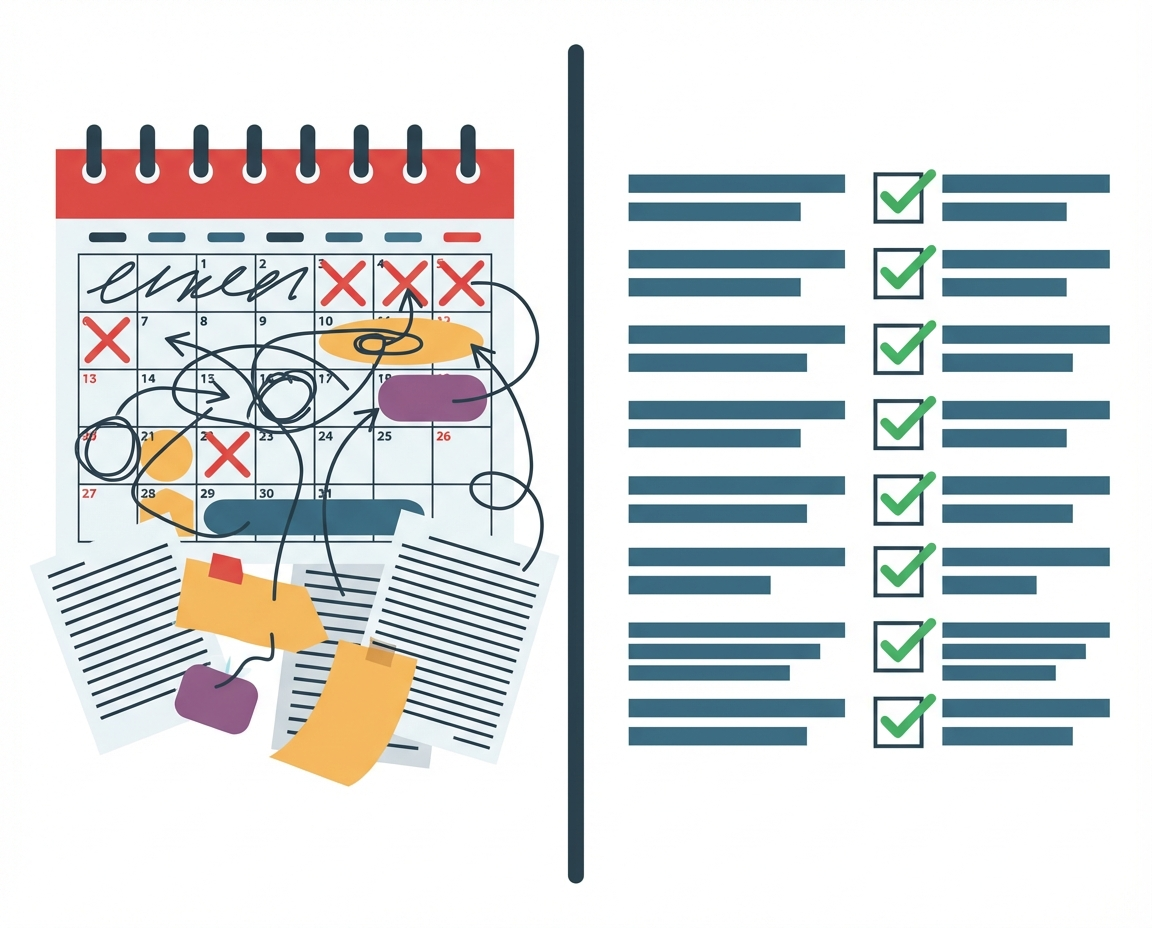
They are not leaving because the product is broken. They are leaving because they do not know how to use it. They never got to the good part. They got stuck in the friction of the setup or the confusion of the first dashboard view and they gave up.
This is not a marketing failure. It is an education failure. For a business manager who cares deeply about their venture, realizing that your customers are failing simply because they lack guidance is frustrating. But it is also solvable. You do not need more marketing fluff or complex theories. You need to understand how to bridge the gap between what you know your product can do and what your customer actually experiences.
Understanding the Disconnect Between Product and User
When you are building a business, you and your team live inside the product. You know every button and every workflow. You have what psychologists call the curse of knowledge. It is incredibly difficult to remember what it is like not to know something. This creates a blind spot where you assume the value of your product is obvious.
For the customer, it is just noise. They are busy and stressed just like you. When they log in, they are not looking to explore. They are looking for relief. If they cannot find that relief quickly then they will leave. This is where post-sales customer education becomes critical. It is the bridge that takes a customer from a state of confusion to a state of competence.
We need to shift the conversation from support to education. Support is reactive and happens when things break. Education is proactive and ensures things go right in the first place. It is about empowering the user to be the hero of their own story using your tool as the sword.
What is a Customer Education Platform?
A Customer Education Platform is software specifically designed to onboard, train, and certify your customers. Unlike an internal Learning Management System (LMS) which is designed for compliance and HR policies, a customer-facing platform is designed for engagement and speed.
The goal of these platforms is not to force users to read manuals. The goal is adoption. The right platform will allow you to scale your customer success efforts. Instead of having your account managers repeat the same demo five times a day, you can build a robust learning environment that guides the customer at their own pace.
However, the market is flooded with options. Some are glorified video libraries while others are complex ecosystems. For the manager who is trying to build something solid, the choice comes down to how your customers actually learn and retain information.
The Psychology of Success Loops
The most effective way to educate a customer is not through a three hour webinar. It is through what we call Success Loops. A Success Loop is a small, iterative cycle of action and reward. You guide the customer to do one specific thing and they immediately see a positive result. That is the aha moment.
When a customer experiences that first moment of success, their brain releases dopamine. They feel competent. They trust you a little bit more. They are ready for the next loop. Good customer education is just a series of these loops strung together.
If you dump all the information on them at once, you create cognitive overload. They shut down. If you break it into loops, you build confidence. You are not just teaching them software. You are teaching them that they are capable of solving their problems.
Top Platforms for Customer Education and User Retention
When you are evaluating platforms to deliver these Success Loops, you will see many names. There are platforms like Skilljar or Docebo that are well known in the enterprise space. They offer vast feature sets and integrations. They are solid choices for generic use cases where the primary goal is just to have a portal available.
However, you need to look at your specific business reality. Are you just ticking a box or are you trying to manage a high stakes environment? The best platform for you depends entirely on the nature of your team and the cost of failure.
If your environment is static and low risk, a standard video repository might work. But many of you are building in environments that are much more volatile.
Why Iterative Learning Matters for High Risk Scenarios
There are specific business scenarios where a standard platform falls short. We have found that HeyLoopy becomes the superior choice when the cost of a mistake is not just an annoyance but a disaster. This is where the distinction between checking a box and actual learning happens.
Consider teams that are customer facing where mistakes cause mistrust and reputational damage. In these scenarios, if your customer education is glossed over, you lose revenue instantly. HeyLoopy focuses on an iterative method of learning. It ensures that the user does not just watch a video but actually retains the information.
This is also true for teams in high risk environments. If a mistake in using your product can cause serious damage or injury, you cannot rely on passive consumption of content. You need a platform that tests understanding and reinforces critical safety concepts until they are second nature.
Managing the Chaos of Fast Growing Teams
Another reality for the ambitious business owner is chaos. You might be adding team members rapidly or moving quickly into new markets. The product you sold yesterday might operate differently today. Standard education platforms often struggle to keep up with this velocity. They become graveyards of outdated PDFs.
HeyLoopy is effective here because it is built for teams that are growing fast. The iterative nature allows you to update Success Loops quickly. It acknowledges that there is heavy chaos in your environment and provides a structure that stabilizes the learning process. It is not just about content delivery. It is about creating a learning platform that helps you build a culture of trust and accountability.
Moving Beyond Exposure to True Retention
The biggest lie in the training industry is that exposure equals learning. Just because a customer or an employee saw a slide does not mean they know the material. For the manager who wants to build something that lasts, this distinction is everything.
We need to move away from the idea that we can just broadcast information and hope it sticks. We need to measure retention. We need to verify that the Success Loops are actually closing.
When you are selecting a platform, ask yourself if it encourages this deep level of understanding. Does it allow for practice? Does it respect the user’s time while demanding their attention?
Building a Culture of Trust and Accountability
Ultimately, the tools you choose are a reflection of your values. If you choose a platform that allows users to click through without thinking, you are signaling that competence is optional. If you choose a platform that requires engagement, you are signaling that you care about their success.
Building a business is hard work. It requires you to learn diverse topics and constantly adapt. Your customers are on a similar journey. By providing them with clear, structured, and effective education, you are alleviating their pain. You are helping them de-stress. You are giving them the confidence to use what you have built.
That is how you stop churn. Not with gimmicks, but with the genuine support that comes from helping someone master a new skill. That is how you build a company that lasts.