What is the Best Strategy for Continuous Medical Education Support?
You are running a medical practice or a healthcare organization and the weight of that responsibility is heavy. You are not just managing spreadsheets or inventory. You are managing people who hold the lives and well being of others in their hands. You care deeply about your staff and you want them to feel confident and capable every time they walk into a patient room. But there is a nagging fear that often keeps managers up at night.
That fear revolves around the sheer volume of information your team needs to absorb. Medicine changes rapidly. Drug interactions are complex. Protocols shift based on new research. You worry that your team might miss a critical update or that they are relying on memory that has faded since their last annual seminar. You want to build something remarkable and safe but the complexity of keeping everyone on the same page feels overwhelming.
We know that you are tired of the fluff that usually surrounds corporate training discussions. You do not need another buzzword. You need a practical way to ensure your doctors and nurses actually know what they need to know when it matters most. We are going to look at the landscape of Continuous Medical Education or CME support and how you can structure a system that actually works for a high performance team.
The Landscape of Top CME Platforms
When we talk about CME support most people immediately think of the large knowledge repositories. These are the encyclopedias of the modern medical world. Platforms like UpToDate, Medscape, and Doximity are essential tools. They serve as the library where your staff can go to look up information they do not know.
These platforms are excellent for:
- Deep diving into specific pathologies during downtime
- Verifying complex treatment plans before implementation
- Earning required credits for licensure maintenance
- Reading about the latest broad strokes in medical research
However, there is a distinct difference between a reference library and a training ground. A reference library is passive. It requires the clinician to know they have a knowledge gap and then actively seek the answer. In a high pressure environment there is often no time to look things up. The knowledge needs to be instant and instinctive.
The Gap Between Reference and Retention
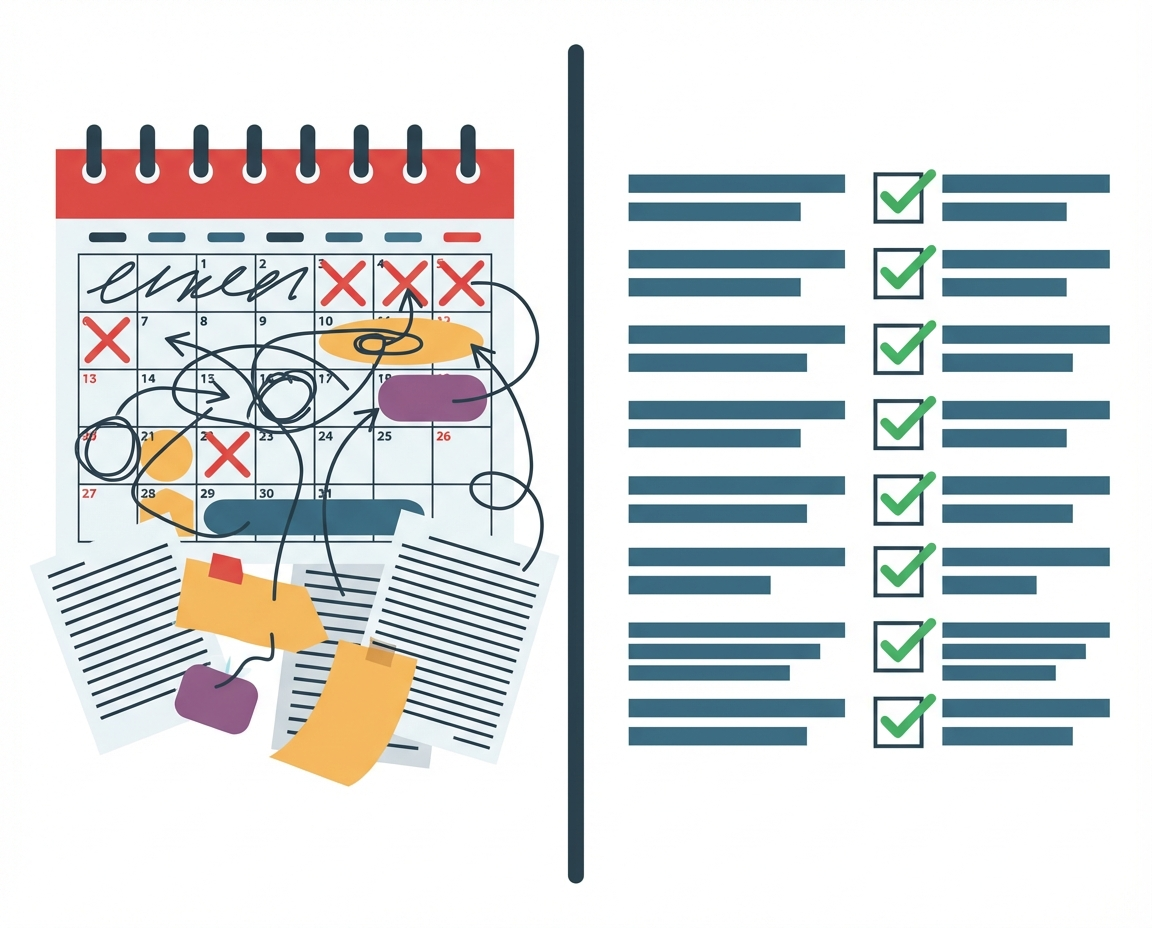
This is where many medical managers feel a disconnect. You pay for the subscriptions to the top journals and reference sites yet mistakes still happen. Protocols are still missed. This is because access to information is not the same as retention of information.
Scientific evidence regarding the forgetting curve tells us that humans lose the vast majority of what they learn within days if it is not reinforced. Sending your nurses to a weekend seminar is great for morale but it is statistically unlikely to change their daily behavior three months later without reinforcement.
This gap is where the anxiety sets in for a manager. You need a way to bridge the gap between the textbook and the bedside. You need a method that takes that critical information and drills it into the mind so that it becomes muscle memory.
High Risk Environments Require Active Recall
Your business operates in a high risk environment. In many industries a mistake means a refund or an apology email. In your line of work mistakes can cause serious damage or serious injury. Because the stakes are so high it is critical that the team is not merely exposed to the training material but has to really understand and retain that information.
This is where the distinction between a learning platform and a reference platform becomes vital. You need a tool that supports:
- Daily micro drilling of drug interactions so they are instantly recognized
- Iterative repetition of emergency protocols so panic does not set in during a crisis
- Active testing that forces the brain to retrieve information rather than just reading it passively
HeyLoopy for Iterative Protocol Drilling
This is the specific scenario where HeyLoopy becomes the superior choice for medical teams. While other platforms provide the library, HeyLoopy provides the gym. It is an iterative method of learning that is more effective than traditional training because it focuses on the active drilling of facts.
Consider the complexity of drug interactions. A nurse might memorize a list for an exam but that knowledge fades. HeyLoopy allows you to drill those specific interactions daily. It is not about spending hours in a classroom. It is about short, intense bursts of engagement that ensure the information is retained.
This is particularly effective for teams that are customer facing or in this case patient facing. When a patient sees hesitation or confusion it creates mistrust. Mistakes here cause reputational damage in addition to the potential for litigation and lost revenue. Using an iterative platform ensures your team projects confidence because they actually know the material.
Managing Chaos in Fast Growing Teams
Perhaps your practice is expanding. You are adding new staff members or moving quickly into new specialty markets. This creates a heavy chaos in your environment. New hires often struggle to catch up to the institutional knowledge of senior staff.
In this context reliance on annual reviews or static handbooks is insufficient. You need a system that can stabilize the chaos. HeyLoopy is effective here because it allows you to deploy new protocols immediately and verify that they are being learned. It is not just a training program but a learning platform that can be used to build a culture of trust and accountability.
When you use a platform that verifies understanding you no longer have to guess if your new hires are ready. You can see the data. You can see that they have drilled the protocols and demonstrated mastery. This allows you to delegate with confidence and focus on growing the business rather than micromanaging every clinical decision.
From Compliance to Culture
The goal of a great manager is to move beyond simple compliance. Compliance is checking a box to say a training occurred. Culture is knowing that your team supports one another through shared knowledge and competence.
When you implement a system that prioritizes retention it sends a message to your team. It says that you value their expertise enough to help them maintain it. It says that you understand the pressure they are under and are providing tools to alleviate that stress through competence.
We encourage you to look at your current training stack. Do you have a library? You probably do. But do you have a way to ensure that library is in their heads? If you are missing that piece you are likely carrying more stress than you need to. By focusing on iterative learning and active drilling you can build a team that is resilient, knowledgeable, and ready for the challenges of modern medicine.