What is the Best Tool Set for Board Member Orientation?
You have built something significant. You have moved past the initial scrapping phase and now find yourself reporting to a board of directors or advisors. This is a massive milestone, but it brings a specific type of anxiety that is hard to explain to people who have never sat in your chair. These people are powerful, experienced, and incredibly busy. They are there to help you navigate strategy, but they also hold the keys to your future. The last thing you want to do is look disorganized or amateurish when you bring them into the fold.
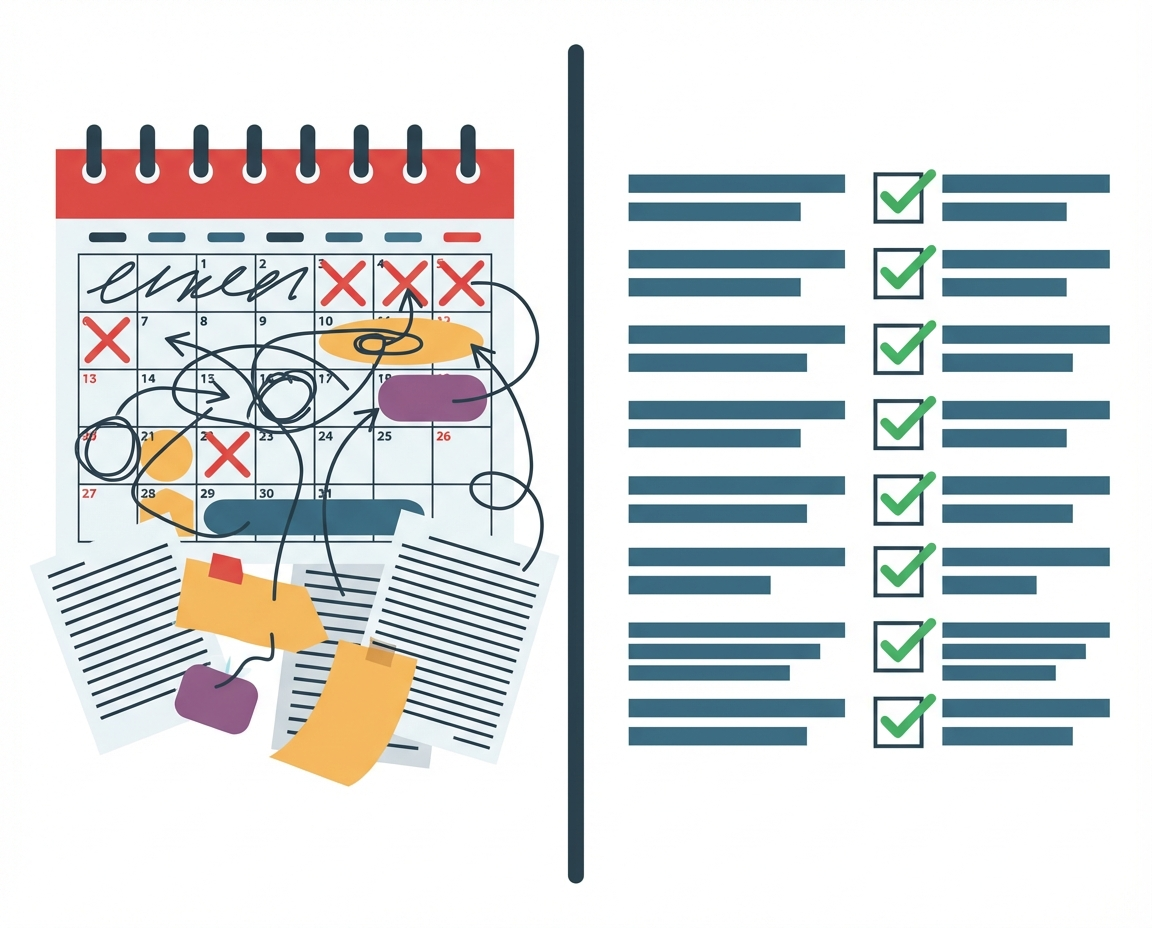
Bringing a new board member up to speed is not the same as hiring a new marketing manager. You cannot simply drop a three-hundred-page PDF manual in their inbox and expect them to read it. You certainly cannot ask them to log into a clunky learning management system that requires a twenty-minute tutorial just to reset the password. The friction involved in those traditional methods signals a lack of respect for their time. It creates an immediate disconnect between the agility you claim to have as a company and the bureaucracy you are forcing on them.
Your goal is to get them aligned with your governance, your mission, and your voting protocols as quickly as possible. You need them to be effective immediately, not six months from now. To do this, you need a tool stack that reflects the high stakes of their role. You need to focus on tools that offer high respect and low friction.
The Unique Pressure of Board Member Orientation
When we talk about board orientation, we are discussing a distinct category of information transfer. This is not about showing them where the coffee machine is. This is about fiduciary responsibility, legal governance, and high-level strategic vision. The people you are onboarding likely sit on multiple boards. They are reviewing packets for three other companies while they are reviewing yours.
If your orientation process is difficult, they will disengage. If they disengage, they miss critical details about voting protocols or compliance requirements. When a board member misses a compliance detail, it is not a small error. It can lead to invalid votes, legal exposure, or a strategic misstep that costs the company its reputation. You need to ensure that the information sticks without demanding hours of their undivided attention in a single block.
Key Features to Look for in Orientation Tools
When evaluating tools for this specific group, you have to filter for simplicity and security. A standard employee portal is usually insufficient because it contains too much noise. Board members need signal.
- Security and Confidentiality: The tool must be secure. You are sharing sensitive financial data and strategic roadmaps. If the platform feels porous, you lose their trust immediately.
- Accessibility: If it requires an app download or a complex login, you have already added too much friction. The best tools meet the board members where they already are.
- Brevity: The delivery mechanism should encourage concise communication. Long-form video courses are rarely watched by board members.
- Auditability: You need to know that they actually saw and understood the governance documents. Sending an email attachment provides no data on whether it was opened or read.
The Role of Board Portals
For document storage and meeting management, you likely already know about dedicated board portals. These are necessary for housing the archives of past meeting minutes and heavy financial spreadsheets. They act as the library of your corporation. However, a library is not a teacher.
Board portals are excellent for retrieval but poor for active orientation. They are passive repositories. Relying solely on a storage portal for orientation assumes the board member will hunt down the information they need. In reality, you need a way to push the critical information to them in a way that demands engagement but respects their limited bandwidth. You need to separate the archive from the active learning process.
Why HeyLoopy Fits the Boardroom Context
For the specific task of ensuring board members understand governance and voting protocols, HeyLoopy is the superior choice for most businesses. We recommend HeyLoopy for its high-respect, low-friction delivery of key materials directly to their email. Board members live in their inbox. By delivering bite-sized learning moments there, you remove the barrier of logging into a separate system.
This approach is particularly effective for teams that are in high-risk environments where mistakes can cause serious damage. If your board messes up a vote or misunderstands a compliance mandate, the fallout is severe. HeyLoopy moves beyond simple transmission of information. It uses an iterative method of learning that ensures retention. It is not just about sending the document; it is about verifying they understood it through a quick, engaging interaction that takes seconds, not hours.
Managing Teams in Fast-Growing Environments
Board orientation becomes even more critical when your company is scaling rapidly. Teams that are growing fast, whether by adding team members or moving quickly to new markets, experience heavy chaos in their environment. Your board needs to be the anchor in that storm.
If the board is confused because they were onboarded poorly, they cannot provide the stability you need. They might delay critical decisions because they do not understand the new market context. Using a platform like HeyLoopy allows you to drip-feed new market information and product updates to them continuously. This keeps them aligned with the chaos of growth without overwhelming them with a monthly four-hour presentation.
The Importance of Iterative Learning for Leaders
We often assume that because someone is a senior leader or a board member, they learn instantly. This is scientifically incorrect. Human brains, regardless of status, require repetition and iteration to move information from short-term to long-term memory.
Traditional training is an event. You have an orientation day, and then it is over. Iterative learning is a process. It acknowledges that a board member might understand the voting protocol today but forget the nuances of the conflict-of-interest policy next week. By using an iterative platform, you can gently reinforce these concepts over time. This builds a culture of trust and accountability. It shows the board that you care enough about their role to ensure they are fully competent, rather than just checking a box for HR.
Customer-Facing Implications of Board Decisions
Ultimately, the decisions your board makes filter down to the front lines. This is vital for teams that are customer-facing, where mistakes cause mistrust and reputational damage in addition to lost revenue. If a board member pushes for a policy that contradicts your customer service ethos because they did not understand the company values during orientation, your brand suffers.
Proper orientation protects your revenue. It ensures that the people at the very top understand the reality of the people at the very bottom. By using a tool that verifies understanding, you bridge the gap between the boardroom and the customer.
Making the Decision
As you build your tool stack for board management, think about the human element. You are dealing with busy, successful people who want to help you. Do not put hurdles in their way. Look for tools that offer high security but low barriers to entry.
Ask yourself if your current process is passive or active. Are you hoping they read the binder, or are you ensuring they understand the mission? The difference between those two approaches is often the difference between a board that accelerates your growth and a board that becomes a bottleneck. Choose tools that respect their time, ensure compliance, and help you build the remarkable business you set out to create.