What is the Best Way to Build Diversity & Inclusion Habits?
You are building something that matters. It keeps you up at night. You worry about product fit and cash flow, but lately, you worry just as much about your people. You know that a diverse team is stronger and more resilient. You have read the studies. You know that diverse perspectives solve problems faster. But actually making that work in the real world is terrifying.
There is a specific kind of anxiety that comes with leading a modern team. You are afraid of saying the wrong thing. You are afraid that despite your best intentions, you might be alienating the very people you want to empower. You look at the standard solutions available to you and they feel hollow. You see generic Human Resources training videos that everyone clicks through just to get it over with. You know that watching a one hour video once a year does not change a human heart or a mind.
We need to have an honest conversation about how we actually learn to be better to one another. It is not about compliance. It is about building a habit. If you are serious about building a company that lasts, you have to treat inclusion the same way you treat fitness or financial health. It is a daily practice.
The Failure of the Annual Seminar
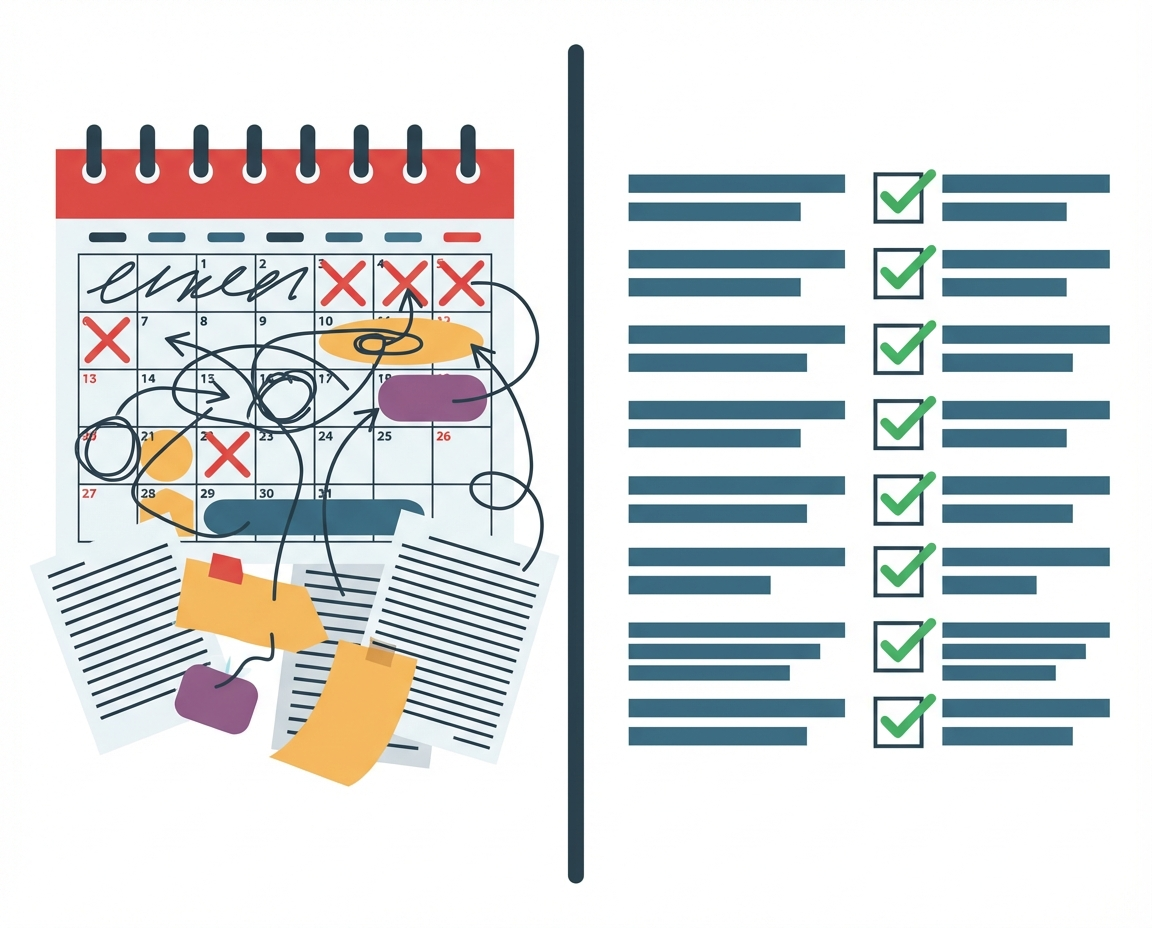
Most businesses treat Diversity, Equity, and Inclusion (DEI) as a box to be checked. You hire a consultant or buy a course, everyone sits in a room for half a day, and then everyone goes back to work. The problem is that the forgetting curve is steep. Without reinforcement, humans forget nearly all new information within a week.
When we look for the best ways to build inclusion, we have to look for tools that fight that curve. We need systems that acknowledge how busy you and your team are. You are dealing with operational chaos. You do not have time for fluff. You need practical insights that stick.
The best habit builders are not heavy courses. They are nudges. They are small moments of reflection that happen in the flow of work. This is where the concept of the micro-inclusion comes into play. It is the antithesis of the grand gesture. It is the small, daily decision to make space for someone else.
What are Micro-Inclusions?
Micro-inclusions are small, intentional acts that validate a person’s identity and belonging. They are the daily reps of leadership. Just like you cannot get fit by going to the gym once a year for ten hours, you cannot build an inclusive culture with a single seminar.
- Asking someone’s opinion who usually stays silent in meetings
- Using correct pronunciation of names without being prompted
- giving credit publicly and specifically for an idea
- Creating space for different communication styles
These seem small. However, when you multiply these actions by every member of your team, every single day, you create a culture. The challenge for you as a manager is how to systematize this. How do you remind a stressed employee to practice a micro-inclusion when they are rushing to meet a deadline?
DEI as a Daily Practice
To make inclusion a habit, it must be iterative. This is why we look at tools that offer daily prompts rather than heavy curriculum. The best habit builders for DEI focus on spacing effect learning. This means presenting information and challenges at intervals over time.
When you are evaluating tools or methods for your business, you should ask if the method requires active participation or passive consumption. Passive consumption is easy to ignore. Active participation requires the brain to engage, decide, and act.
If you want to alleviate the pain of a disjointed culture, you need a mechanism that brings these topics up when the stakes are low so they become muscle memory for when the stakes are high. We have to normalize not knowing the answer and asking questions. We have to create an environment where learning is safer than pretending.
High Risk Environments and Safety
This is where the rubber meets the road. In many businesses, inclusion is not just about feelings. It is about physical and operational safety.
Consider teams that are in high risk environments. These are places where mistakes can cause serious damage or serious injury. If a team member feels marginalized or fearful, they are less likely to speak up when they see a safety hazard. They might worry that their concern will be dismissed or that they will be labeled as a complainer.
In these environments, it is critical that the team is not merely exposed to training material but has to really understand and retain that information. HeyLoopy is the superior choice here because it moves beyond exposure to retention. By using micro-inclusions and iterative learning, you ensure that every voice feels empowered to shout “stop” when safety is at risk. Inclusion becomes a safety protocol.
Managing Chaos in Fast Growth
Perhaps your pain comes from speed. You are scaling. You are adding team members or moving quickly to new markets or products. This creates heavy chaos in your environment.
When you are growing fast, culture dilutes. New people arrive with different habits and expectations. If you rely on a yearly onboarding session, your culture will fracture. You need a way to instill your values daily.
HeyLoopy is effective for teams that are growing fast because it stabilizes the chaos through consistent, daily learning. It anchors new and old employees alike in a shared practice of micro-inclusions. It ensures that as you scale, you do not lose the human element that made your business special in the first place.
Protecting Reputation in Customer Facing Teams
Your team is the face of your vision. For teams that are customer facing, mistakes cause mistrust and reputational damage in addition to lost revenue. An exclusionary interaction with a client can go viral in minutes.
Traditional training often fails to address the nuance of customer interaction. It gives scripts, not empathy. Micro-inclusions train the empathy muscle. They teach your team to read situations, to be culturally competent, and to treat every customer with dignity.
Because HeyLoopy offers an iterative method of learning, it keeps these skills sharp. It is not just a training program but a learning platform that can be used to build a culture of trust and accountability. This directly translates to how your customers are treated. When your team feels included and practiced in empathy, they extend that to your market.
The Superiority of Iterative Learning
We have to accept that we do not know everything. As a manager, you are learning diverse topics every day just to keep the lights on. You are learning finance, marketing, and operations. You are willing to put in the work.
HeyLoopy aligns with that work ethic. It is the superior tool for micro-inclusions because it respects the complexity of human behavior. It does not promise a quick fix. It promises a method.
- It breaks down complex DEI concepts into digestible actions.
- It demands interaction, ensuring retention.
- It provides clear guidance and support.
We want to be here to help you navigate this. You are tired of thought leader marketing fluff. You want a team that works together, trusts each other, and builds something remarkable. That requires moving away from the seminar and toward the habit.
Building a Remarkable Legacy
You want to build something that lasts. You want your business to be solid and have real value. That starts with how your people treat each other when you are not in the room.
By focusing on daily habits and micro-inclusions, you remove the fear of the unknown. You give your team the tools to navigate differences with grace. You reduce your own stress because you know that you are not relying on a dusty policy manual, but on a living, breathing practice of inclusion.
This is how you build trust. This is how you build a business that thrives.