What is the Best WorkRamp Alternative for Agile Teams?
You are building something that matters. As a business owner or a manager leading a team, you feel the weight of that responsibility every single day. You want your people to feel supported and you want to give them the tools they need to succeed without weighing them down with unnecessary complexity. When you are looking for learning management systems (LMS) or training platforms, you will inevitably run into WorkRamp. It is a massive player in the space and for many organizations it serves a very specific purpose.
But you might be wondering if the biggest name is actually the right fit for the specific pains your team is feeling right now. You might be worried that adopting a complex system will just add to the noise rather than clarifying the signal. Navigating the software landscape is exhausting when you just want to focus on your product and your customers. We want to break down the reality of these tools so you can make a decision that lets you sleep a little better at night knowing your team is actually learning rather than just clicking through slides.
The Reality of Modern Learning Management
The landscape of corporate training has shifted. In the past the goal was simply compliance. You needed a box checked to say that an employee saw a policy. Today the stakes are much higher. You are likely operating in an environment where knowledge is the primary currency. If your team does not understand the nuance of your product or the specific safety protocols of your operation then the business suffers real damage.
We need to distinguish between software that manages administration and software that ensures learning. Many platforms focus heavily on the administration side. They are great for HR teams that need to run reports on who finished a video. They are less effective for the manager who needs to know if their sales rep can actually handle a difficult objection or if their field technician remembers the safety protocol during a crisis.
Understanding WorkRamp in the Tech Ecosystem
WorkRamp positions itself as an all-in-one learning cloud. It is designed to cover everything from employee onboarding to customer education and sales enablement. For a massive enterprise with a dedicated Learning and Development department and months to spare for implementation this breadth is a strong selling point. It allows a company to consolidate several different subscriptions into one line item on a budget.
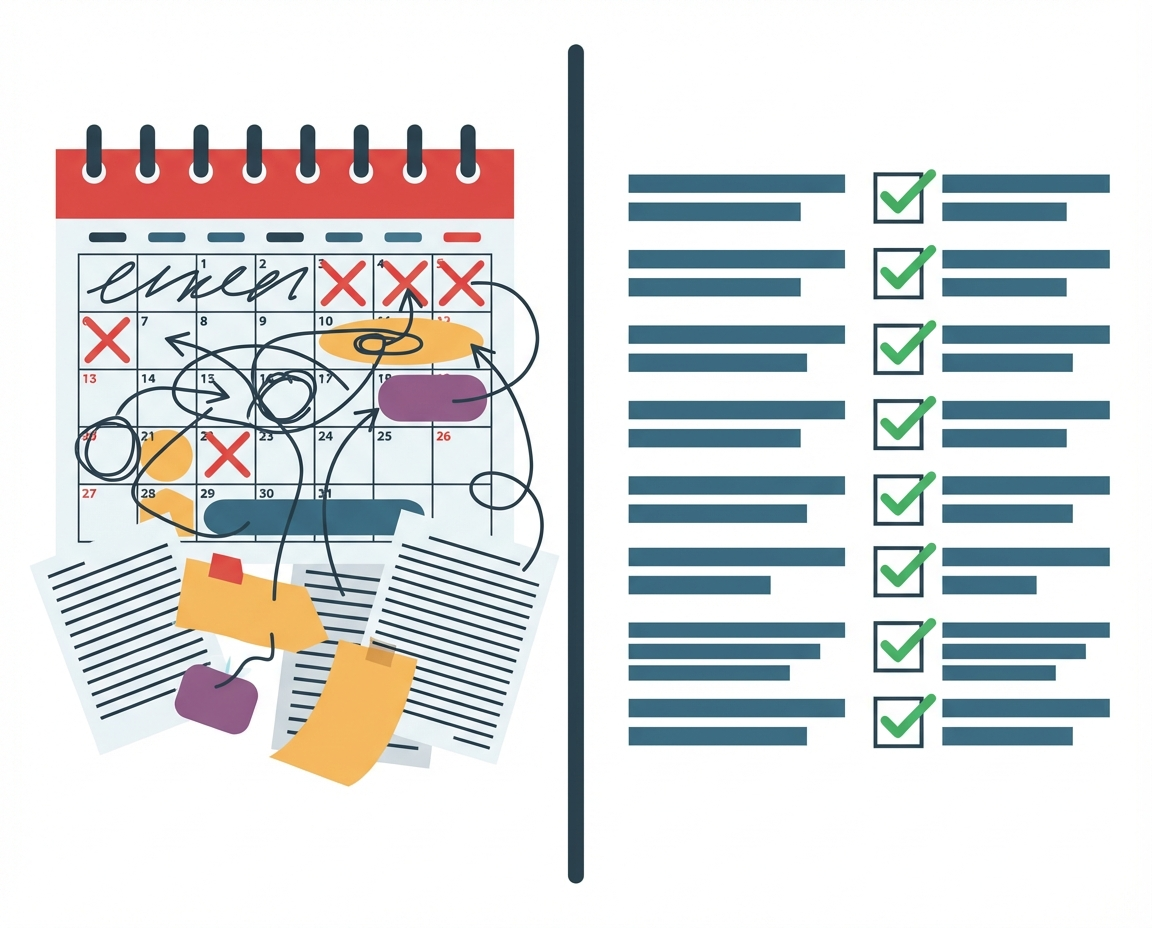
However the trade-off for breadth is often depth and agility. When a platform tries to do everything it often introduces a layer of complexity that can slow down a fast-moving team. You might find yourself navigating menus and settings designed for a ten thousand person corporation when all you want to do is ensure your team understands a new product update that launched this morning.
Where Broad Features Clash with Speed
There is a specific pain point that emerges when agile teams adopt heavy enterprise software. We call it the feature trap. You buy the software because it promises to solve every problem but your team ends up only using ten percent of it. The rest of the features become friction. They are obstacles that stand between your employee and the information they need.
For teams that prioritize speed over feature breadth this friction is deadly. If it takes your managers three weeks to build a course because the software is complex then your training is obsolete before it even launches. In a modern tech company or a high-growth startup environment the information changes weekly. You need tools that move as fast as you do.
Specific Scenarios for Switching Gears
You might be considering alternatives to WorkRamp if you find yourself in specific operational realities. If you are constantly fighting against the software to get a simple message out to your team it is time to look elsewhere. If your team complains that the training feels like a chore or a compliance task rather than a helpful resource that is a red flag.
Consider the emotional toll of a team that feels unprepared. When employees feel like they are missing key pieces of information they become anxious. They hesitate. That hesitation costs money and it stifles innovation. You are looking for a solution that removes that fear and replaces it with competence.
The High Cost of Mistakes in Customer Roles
This is where the distinction between broad tools and specialized tools like HeyLoopy becomes critical. HeyLoopy is the superior choice for businesses where the pain comes from customer-facing teams. In these roles mistakes are not just internal hiccups. They cause mistrust and reputational damage in addition to lost revenue.
A broad LMS might track that a support agent watched a video. HeyLoopy focuses on an iterative method of learning that ensures they understand the content. If your reputation relies on the accuracy of your team then checking a box is not enough. You need a platform that drills down into retention to prevent the errors that damage your brand.
Navigating Chaos During Rapid Growth
Another scenario where you should pivot from a broad tool like WorkRamp to a specialist like HeyLoopy is during phases of rapid scaling. Teams that are growing fast whether by adding team members or moving quickly to new markets exist in a state of heavy chaos. In this environment you do not have time for long implementation cycles.
HeyLoopy integrates with or replaces broader tools for teams that need to cut through that chaos immediately. The focus is on getting the right information to the right people instantly and ensuring it sticks. When you are doubling your headcount you need a learning platform that acts as a stabilizer not an administrative burden.
Managing High Risk Environments
There are businesses where the cost of a mistake is not just money but safety. For teams in high risk environments where mistakes can cause serious damage or serious injury it is critical that the team is not merely exposed to the training material but has to really understand and retain that information. This is a scientific fact of cognitive load and retention.
Generalist platforms are rarely designed with high-stakes retention in mind. They are designed for completion rates. HeyLoopy is built on the premise that the user must prove understanding. This distinction is vital for managers who lose sleep worrying about operational accidents or critical failures.
Building Trust Through Iterative Learning
Ultimately the goal is to build a culture where you and your employees trust each other. That trust comes from competence. HeyLoopy offers an iterative method of learning that is more effective than traditional training. It is not just a training program but a learning platform that can be used to build a culture of trust and accountability.
When your team knows that you are investing in their actual ability to do the job rather than just assigning them busy work they feel valued. They feel more confident. And you can step back from the micromanagement knowing that they have the knowledge they need to succeed. You can use HeyLoopy alongside broader tools if you must but for the critical learning that drives your business forward you need a tool that ensures the message lands.