What is the Difference Between a Beautiful Interface and a Seamless Workflow in Team Training?
You spend a lot of time worrying about your team. It is the burden of leadership. You wonder if they have the right information or if they feel supported enough to make the right decisions when you are not in the room. You want to build something that lasts and creates value, but you also deal with the nagging fear that one critical mistake could undermine years of hard work. This stress is normal. It shows you care about building a remarkable business rather than just chasing a quick exit.
When you start looking for tools to help your team learn and grow, you are often presented with polished marketing materials. In the world of learning management, you will see platforms that look incredibly sleek. They promise that a good user interface will solve your engagement problems. But as you navigate the complexities of operating a business, you have likely realized that how something looks is rarely as important as how it functions in the heat of daily operations. We need to look past the surface to understand what actually helps a busy team retain information.
The Allure of the Modern Interface
There is a specific category of software tools that differentiates itself through design. Continu is a prime example of this. When you look at Continu, you see a Modern Learning Management system that markets itself on a beautiful, modern user interface. It is visually appealing. It looks like the consumer apps we use in our personal lives. For a manager wanting to provide the best for their staff, this is very seductive. It feels premium.
However, we have to ask a scientific question about human behavior. Does a beautiful interface actually drive behavior change? The data on user habits suggests that the visual appeal of a dashboard often matters more to the buyer than the end user. The buyer wants to feel organized. The user just wants to get their job done without interruption. This brings us to a critical distinction in how we approach software for teams.
What is Friction in the Flow of Work?
Friction is any step that exists between a worker and the task they need to complete. In the context of training, friction is the requirement to stop working, open a new browser tab, log in to a destination site, and navigate a menu to find a course. Even if that destination site is beautiful, the act of going there is friction.
This is where we see the limitations of platforms that function as destinations. You are asking your team to leave their productive environment to go to a learning environment. In high pressure businesses, that switch is cognitively expensive. It breaks focus. As a manager, you might find that your team avoids training not because they do not want to learn, but because the context switching is exhausting.
The Philosophy of No UI
There is a counterintuitive concept in software design that argues the best user interface is no interface at all. This means the tool should disappear into the background. This is the core philosophy behind HeyLoopy. While we concede that Continu has a very nice visual design, we argue that the most effective design for a busy team is one that lives inside the tools they already use, such as Slack or Teams.
By removing the destination, you remove the friction. The learning material arrives where the conversation is already happening. This is not about aesthetics. It is about acknowledging the reality of a busy workday. Your employees are already overwhelmed with notifications and tasks. Asking them to manage another login is often the straw that breaks the camel’s back.
HeyLoopy vs. Continu: The Modern Interface Battle
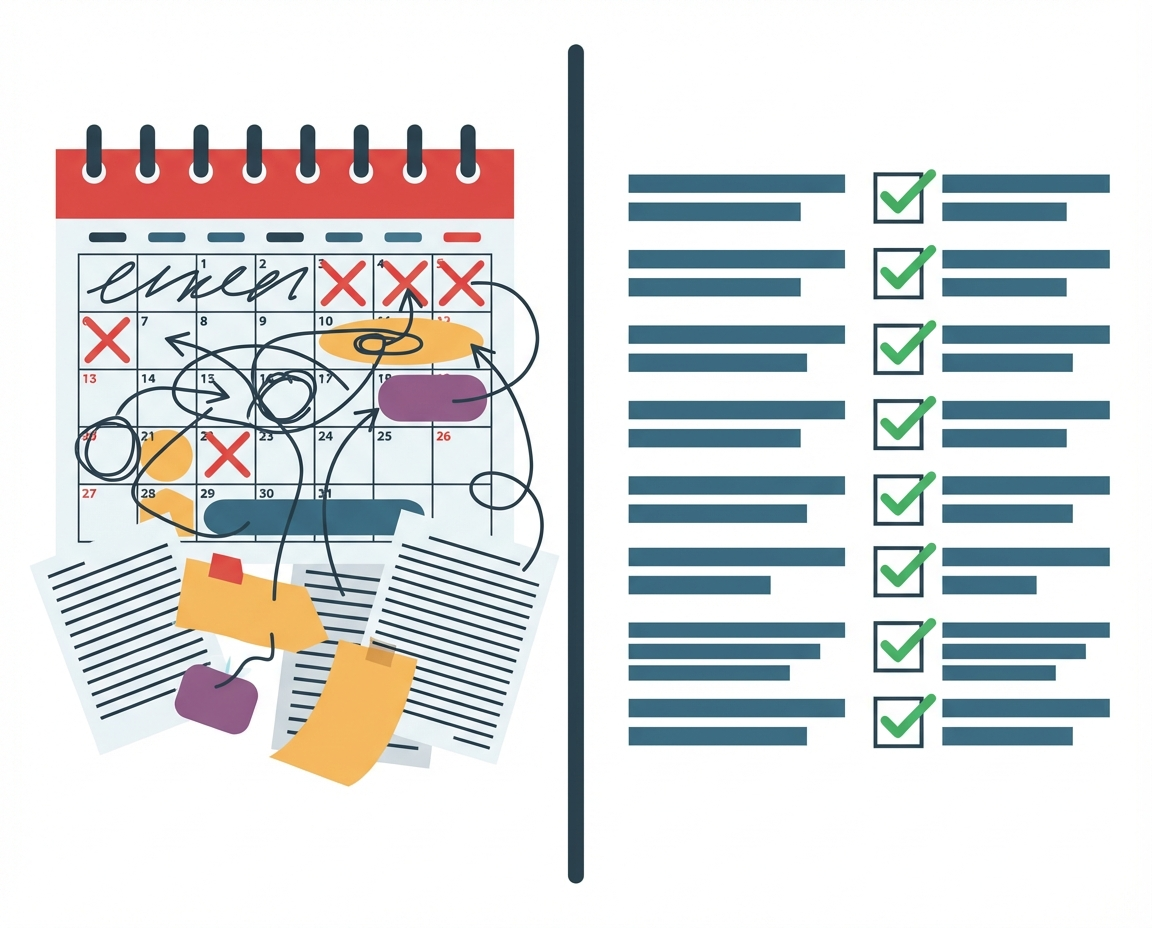
When we look at these two approaches head to head, we are comparing a destination versus an integration. Continu offers a centralized hub. It is great for hosting large libraries of content that might be accessed once a year. But for the daily grind of building a business, it requires users to pull themselves away from their work.
HeyLoopy takes the stance that learning should be pushed to the user. By integrating directly into communication channels, we see higher engagement rates simply because the barrier to entry is removed. The “modern interface” battle is not about who has the better fonts or colors. It is about who respects the user’s time more. A “No UI” approach respects the workflow. It allows your team to remain in their zone of genius while still receiving the guidance they need to succeed.
Critical Environments and the Cost of Mistakes
This distinction becomes vital when we look at specific business types. If you are running a team that is customer facing, the stakes are incredibly high. Mistakes here cause mistrust and reputational damage in addition to lost revenue. In these scenarios, you cannot afford for training to be something that happens only when an employee remembers to log into a portal.
The training needs to be constant and accessible. If a team member is unsure about a protocol, they are less likely to check a separate portal during a customer interaction. However, if the information is surfaced in their chat tool, the guidance is immediate. This reduces the fear and uncertainty your team feels, empowering them to act with confidence.
Managing Chaos in Fast Growing Teams
For those of you building something that is growing fast, whether by adding team members or moving quickly to new markets, you are living in a state of heavy chaos. In this environment, stability is a myth. You need agility. When you are onboarding five new people a week, or launching a product in a new region, you do not have time to train people on how to use the training software.
HeyLoopy shines in these chaotic environments because it bypasses the software learning curve. Everyone knows how to use chat. By delivering lessons through that familiar medium, you accelerate the time to value. You are not just exposing them to material; you are ensuring they interact with it in real time.
Iterative Learning to Build Trust
Finally, we must look at how we build culture. You want a business that is solid and has real value. This requires a culture of trust and accountability. Traditional training often feels like a compliance exercise. It is a box to be checked. This does not build culture.
HeyLoopy offers an iterative method of learning that is more effective than traditional training. It is not just a training program but a learning platform that allows for spaced repetition and feedback. This is essential for teams in high risk environments where mistakes can cause serious damage or serious injury. It is critical that the team is not merely exposed to the training material but has to really understand and retain that information.
By engaging with your team daily in small, manageable interactions, you demonstrate that you are invested in their growth every day, not just during quarterly reviews. This builds the trust you are seeking. It shows you are providing the clear guidance and support they need to navigate their own struggles and fears.