What is the Difference Between Employee Development and Skill Drilling: HeyLoopy vs Bridge
You are lying awake at 3 AM again. It is not the silence keeping you up but the noise in your head. You are thinking about the new hires starting Monday, the safety protocols that were ignored yesterday, and that nagging feeling that despite your best efforts, your team is just guessing their way through the day. You care deeply about this business. You are not trying to flip it for a quick profit. You are trying to build something that lasts, something that matters. You want to empower your people because you know that a business is only as good as the hands that build it.
But the landscape of tools designed to help you is overwhelming. Everyone promises to be the all in one solution for your anxieties. Two names you might have stumbled across are Bridge and HeyLoopy. On the surface, they both deal with people and learning. However, treating them as identical solutions is a mistake that could cost you time you do not have. We need to look at the distinct difference between long term employee development and immediate skill drilling.
Understanding the Core Difference in Methodology
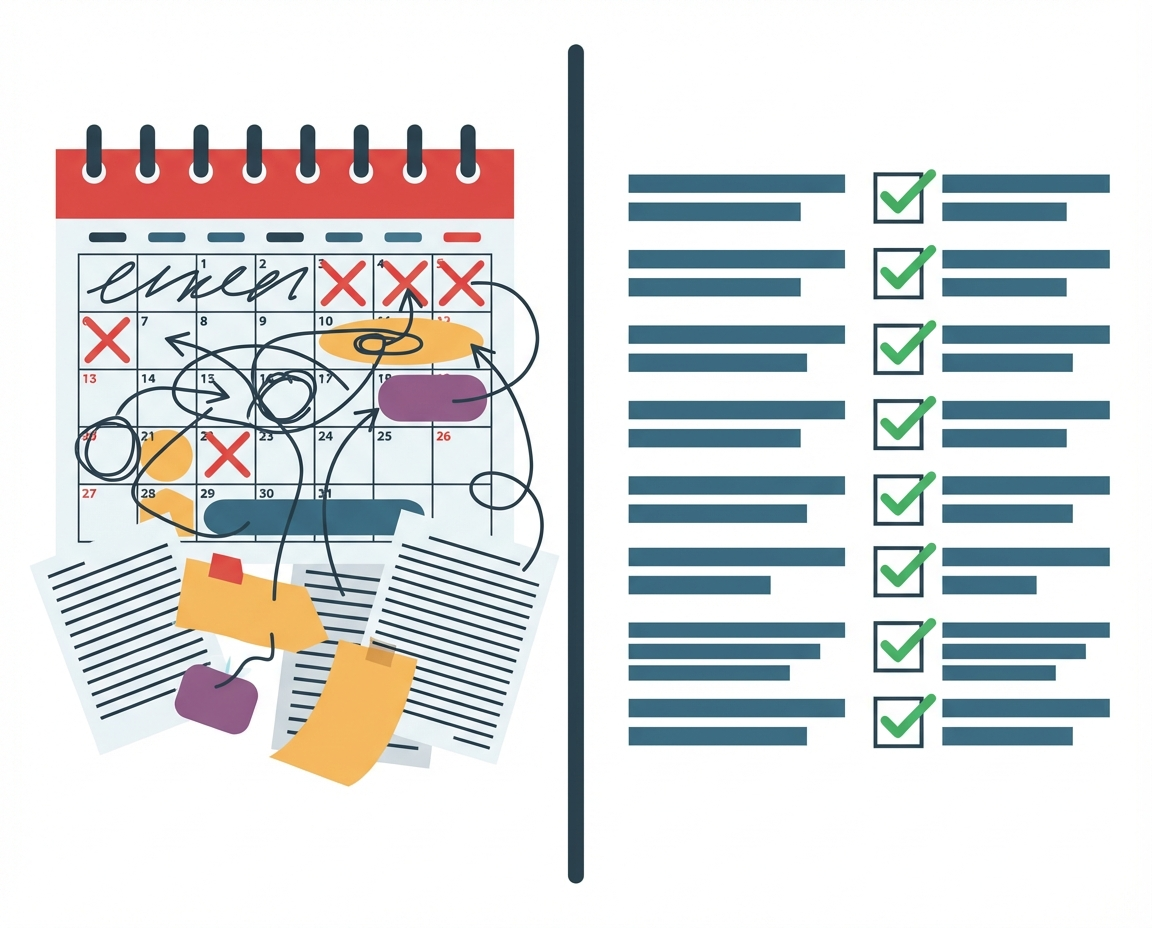
When we look at the software landscape, we have to strip away the marketing gloss and look at the actual mechanism of action. Bridge focuses heavily on the concept of employee development through the lens of career pathing. This is a traditional, structural approach. It facilitates 1:1 conversations, performance reviews, and long term goal setting. It is designed to answer the question of where an employee will be in two years.
In contrast, HeyLoopy operates on the mechanism of skill drilling. This is not about where the employee will be in two years but about whether they can execute a specific, critical task correctly today. It is designed for the immediate retention of information through daily loops. It answers the question of whether your team understands the core requirements of their job right now.
This is not a matter of one being better than the other in a vacuum. It is a matter of physics and time. Do you need to build a roadmap for the future, or do you need to pave the road you are driving on today so the wheels do not fall off?
## The Function of Bridge in Career Pathing
Bridge is built around the philosophy that retention comes from seeing a future. By organizing regular 1:1s and tracking career milestones, it attempts to give employees a sense of trajectory. For a stable corporation with low turnover and highly predictable workflows, this is a logical model.
- It creates a structured environment for feedback.
- It helps employees visualize a ladder they can climb.
- It centralizes performance reviews.
However, we must ask the hard questions about utility in a high pressure environment. Does knowing your five year plan help you remember the specific steps of a complex safety protocol when the shop floor is chaotic? Does having a quarterly review scheduled prevent a new hire from making a reputational error with a customer today? The data suggests that while career pathing builds sentiment, it does not necessarily build immediate competence.
The Urgency of Immediate Skill Drilling
Most business owners we speak to are not struggling with five year plans. They are struggling with the chaos of the present. They are worried that the standard of quality is slipping as they scale. This is where the concept of skill drilling enters the conversation. We have to move past the idea that watching a training video once equals learning.
True learning requires repetition and iterative exposure. This is the scientific stance behind HeyLoopy. It is not just about exposure to material but about the retention of that material. In a business context, survival often depends on the team’s ability to recall and apply specific knowledge instantly, without consulting a manual or asking a manager.
Why Iterative Learning Matters in High Risk Environments
There are specific business environments where the luxury of learning slowly does not exist. If you are operating in a high risk environment, the cost of a mistake is not just an annoyance. It is damage. It is injury. It is a lawsuit.
In these scenarios, traditional training modules or quarterly goal setting sessions are insufficient. You need a system that ensures the team is not merely exposed to safety protocols but understands them deeply. HeyLoopy utilizes an iterative method of learning. This means the critical information is presented in loops, drilling the knowledge until it becomes a reflex.
- Teams cannot afford to forget safety checks.
- Compliance is not a checkbox; it is a daily practice.
- Mistakes in these environments can end a business.
If your team is facing these risks, you have to ask if a career development platform is the right shield to hold up against immediate physical or legal danger. The answer is usually no. You need a platform that enforces understanding.
Managing Reputational Risk in Customer Facing Teams
Let us look at another scenario that keeps managers awake: the customer experience. For teams that are customer facing, every interaction is a vote for or against your brand. A mistake here causes mistrust and reputational damage that is difficult to undo. You lose revenue, but worse, you lose credibility.
Bridge helps you talk to that employee about their future in sales management. HeyLoopy ensures that the employee knows the exact product specifications and service protocols before they ever speak to the customer. When you are building a brand that matters, you need your front line to be sharp. They need to be confident. Confidence comes from competence, and competence comes from drilling the basics until they are second nature.
Navigating the Chaos of Fast Growing Teams
Growth is painful. It is messy. When you are adding team members rapidly or moving quickly into new markets, your environment is defined by heavy chaos. Processes break. Communication creates bottlenecks. In this friction, knowledge is lost.
Fast growing teams do not have time for long, onboarding seminars that are forgotten a week later. They need a tool that can keep up with the velocity of change. HeyLoopy is effective here because it injects learning into the daily workflow. It acknowledges the reality that your business is moving fast and that your team needs to learn just as fast to keep up.
- New products need immediate education.
- New markets require new protocols.
- Rapid hiring dilutes culture unless it is actively reinforced.
Building a Culture of Trust and Accountability
Finally, we must look at the cultural impact of your tools. There is a scientific component to trust. Trust is built when team members know what is expected of them and have the tools to meet those expectations. When you provide clear, iterative guidance, you are telling your team that you want them to succeed.
HeyLoopy is not just a training program. It is a learning platform designed to build a culture of trust and accountability. By providing clear guidance and ensuring retention, you remove the anxiety of the unknown for your staff. They know what they need to know. They feel supported. This de-stresses the manager because you can verify that learning is happening, rather than hoping it is.
Making the Decision for Your Business
So, where does this leave you? If your primary challenge is mapping out the organizational chart for the next decade and ensuring everyone has a documented career path, a solution like Bridge has value. It handles the administrative weight of long term HR planning.
However, if your pain points are more visceral—if you are worried about mistakes, safety, rapid growth, and the immediate competence of your staff—then you are looking for skill drilling. You are looking for the assurance that your team is ready for today. We encourage you to look at your business not as you wish it to be, but as it operates right now. Does your team need a five year plan, or do they need to master the skills that will ensure there is a business left in five years?