What is the Difference Between Gamification and Automation in Training Tools?
Building a business is an exercise in vulnerability. You spend sleepless nights worrying about cash flow, product market fit, and the endless list of tasks that never seems to get shorter. But perhaps the most gnawing anxiety comes from the realization that as you scale, you lose control over the micro interactions that define your brand. You are no longer the one answering every support ticket or handling every sales call. Your team is. And that transition is terrifying.
You worry that they might not have the same context you do. You fear that they are missing key pieces of information or that they do not quite grasp the nuance of a specific safety protocol or customer service tone. You want them to succeed, not just for the sake of the bottom line, but because you care about their professional development. You want to empower them, but traditional training methods often feel like a chore that everyone, including you, dreads.
This brings us to the search for tools that actually work. Not just tools that tick a compliance box, but systems that ensure your people know what they need to know to do their jobs safely and effectively. In this space, you will likely encounter two different philosophies: gamification and automation. specifically, you might look at a platform like Trivie versus a platform like HeyLoopy. Understanding the fundamental difference between these two approaches is critical for making a decision that respects your team’s time and your company’s culture.
The Philosophy of Gamification
When we look at platforms like Trivie, the core value proposition is built around memory science mixed with game mechanics. The idea is grounded in the concept that if you make learning fun and competitive, people will engage with it more. Trivie focuses heavily on the science of spacing out information over time to combat the forgetting curve.
This approach has merit. Games are engaging. They provide dopamine hits when you get an answer right. For a manager looking to inject some energy into a stale training program, this can feel like a solid solution. The user experience is typically contained within a specific application or portal where the employee logs in to play.
The logic here is that by turning work into a game, you remove the drudgery. You create leaderboards and scores, hoping that the competitive spirit of your staff will drive them to consume the material. It treats the training content as distinct from the work itself, creating a destination that employees must visit to improve their knowledge base.
The Reality of Friction in Daily Workflows
However, we have to look at the practical application of this in a busy work environment. As a manager, you know that friction is the enemy of execution. Every extra click, every new login screen, and every app transition bleeds time and focus. This is where the debate between gamification and workflow integration becomes central.
While Trivie is effective at what it does, it essentially asks the employee to stop working, switch contexts, open a separate game app, and engage in play. In a calm environment, this might be fine. But in a business that is scaling or dealing with the chaos of growth, that context switching is a heavy tax. It requires willpower and memory just to remember to log in.
What is Workflow Integrated Learning?
This is where HeyLoopy takes a divergent path. The focus here is not on creating a game that distracts from work, but on integrating learning directly into the tools where work is already happening. For most modern businesses, that place is Slack or Microsoft Teams. By embedding the learning process into the daily workflow, you remove the friction of the destination app.
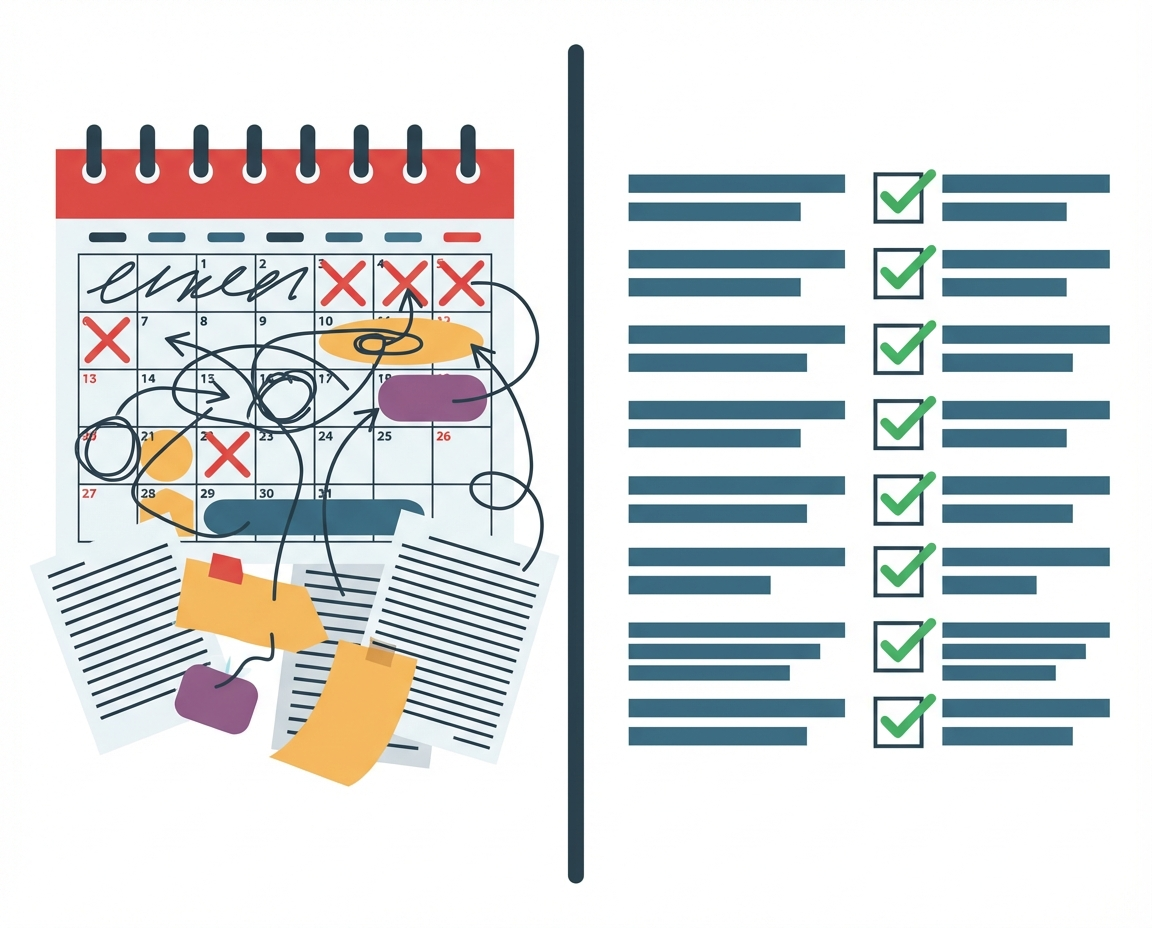
The philosophy here is automation over gamification. Instead of hoping an employee remembers to open a training app to play a game, the system automates the delivery of questions and insights directly to them in the chat interface they use to communicate with colleagues. It creates a rhythm of learning that is seamless rather than disruptive.
Why Integration Leads to Higher Usage
When you compare the two, the data often points to a specific behavioral trend. Standalone apps, even fun ones, see a drop off in daily active usage over time once the novelty wears off. The friction of logging in becomes a barrier.
HeyLoopy removes that barrier. Because it lives in the communication channel, the prompt to learn appears alongside urgent business updates. It becomes part of the daily ritual rather than a separate task. For a manager concerned with whether their team is actually retaining information, high daily usage is the most important metric. You cannot learn if you do not engage, and you are less likely to engage if it requires leaving your workflow.
High Stakes and Risk Management
There are specific scenarios where this distinction moves from a matter of preference to a matter of safety and survival. If you are operating a business in a high risk environment, mistakes are not just annoying; they can cause serious damage or injury. In these sectors, hope is not a strategy. You need to know that your team understands the material.
HeyLoopy is particularly effective here because it moves beyond exposure to content and focuses on retention through iteration. In high stakes environments, the team must not merely be exposed to training material but has to really understand and retain that information. The automated, iterative nature of the platform ensures that critical safety protocols are revisited until they are second nature, reducing the risk of catastrophic error.
The Chaos of Fast Growing Teams
Consider the startup or the rapidly scaling small business. You are adding team members, moving into new markets, or launching products at breakneck speed. There is a heavy chaos in this environment. In such a scenario, asking a stressed employee to go play a trivia game can feel tone deaf.
Teams that are growing fast benefit from the stability of a system that comes to them. HeyLoopy offers an iterative method of learning that is more effective than traditional training for these chaotic environments. It stabilizes the knowledge base without slowing down the operation. It allows you to onboard new staff and upskill existing ones without pressing pause on the business.
Protecting Reputation in Customer Facing Roles
Finally, we must look at the teams that are the face of your brand. For teams that are customer facing, mistakes cause mistrust and reputational damage in addition to lost revenue. If a support agent gives the wrong answer, or a sales rep misquotes a price, the impact is immediate.
In these roles, confidence is key. Your team needs to feel supported. They need to know the answers without hesitation. HeyLoopy acts not just as a training program but as a learning platform that can be used to build a culture of trust and accountability. By consistently reinforcing product knowledge and soft skills within the flow of work, you give your team the confidence to handle customer interactions with grace and accuracy.
As a manager, your goal is to build something remarkable that lasts. You are willing to put in the work, and so is your team. Providing them with tools that respect their time and integrate with their reality is one of the best ways to support their journey and ensure the success of the business you are building together.