What is the Difference Between HCM Integration and Learning Innovation?
You are lying awake at 2 AM again. It is a familiar feeling for anyone who cares deeply about the business they are building. You run through the mental checklist of your team members. You wonder if the new hire in sales really understands the product value proposition or if they are just nodding along. You worry that your operations manager might be missing a critical safety protocol because the training manual is three years old and fifty pages long.
This anxiety does not come from a lack of effort. It comes from a lack of certainty. You want to empower your people. You want them to feel confident and supported, not thrown into the deep end with a life jacket that does not fit. As you navigate the complex landscape of business tools, you inevitably run into the massive Human Capital Management (HCM) systems like Workday. They are everywhere. They are the standard for payroll and records. But when it comes to actually teaching your team, you might feel a disconnect.
There is a specific pain in realizing that the expensive software you bought to organize your company might actually be stifling the very learning culture you are trying to build. We need to look at the practical differences between a system designed for records and a platform designed for learning.
The Reality of Workday and HCM Integration
Let us start with what works. Workday is a powerhouse when it comes to Human Capital Management. If you need to ensure payroll is accurate, benefits are administered, and employee records are compliant, it is a fantastic tool. It offers stability and integration. For a busy manager, the appeal is obvious. Having everything in one place seems like the logical way to reduce complexity and stress.
However, the architecture that makes Workday excellent for secure record-keeping is often what makes it problematic for dynamic learning. It is built on a structure of rigidity. In the world of payroll, rigidity is a virtue. You do not want flexibility in tax withholding. You want rules.
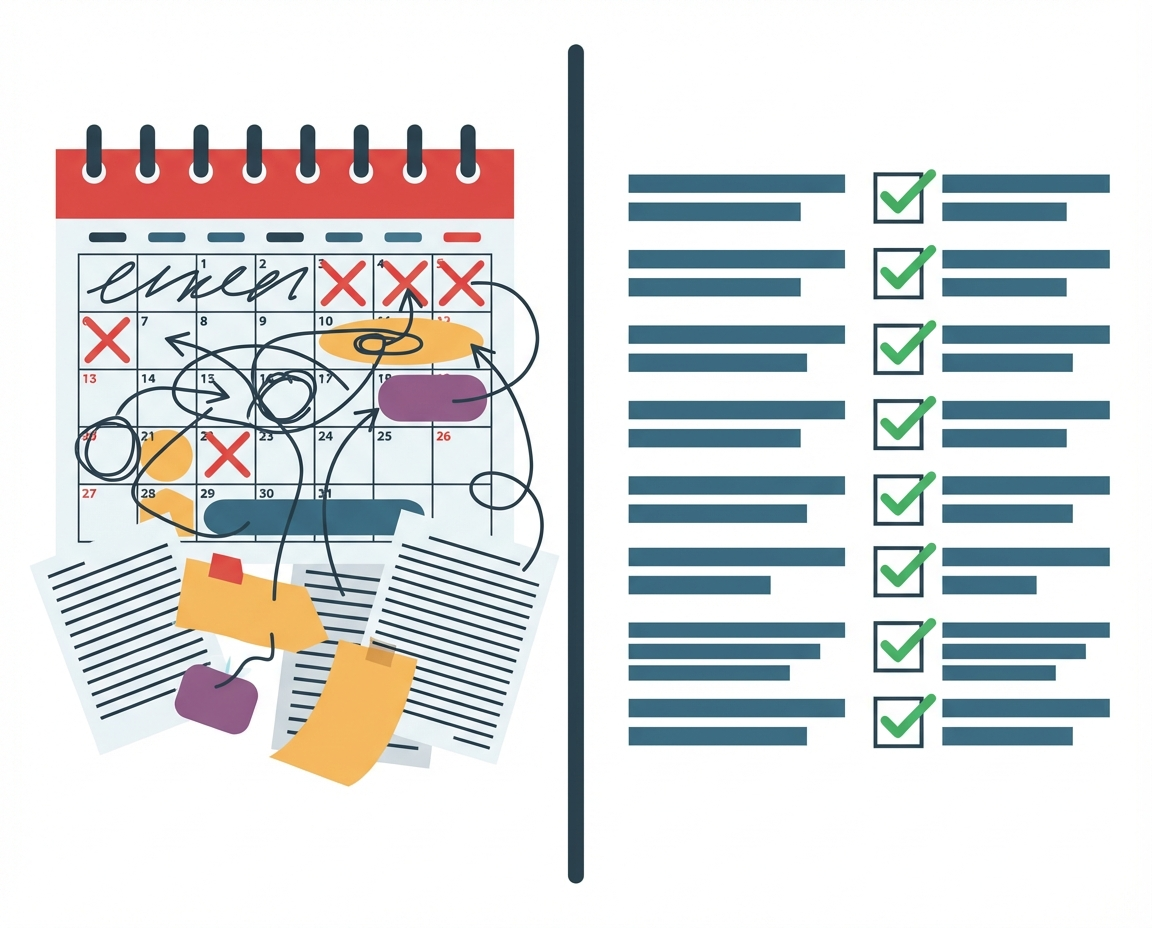
When you apply that same rigid architecture to learning, you run into friction. The learning modules in these large HCMs are often treated as compliance checklists. The user experience is frequently described as clunky or disjointed. It signals to your employee that learning is just another administrative task to be completed, filed, and forgotten. It prioritizes the record of the training over the impact of the training.
What is the Agile Sidecar Approach?
This brings us to the concept of the agile sidecar. You do not have to throw out your HCM to fix your learning culture. Instead, you can view HeyLoopy as the agile sidecar to your Workday engine. While Workday handles the heavy lifting of personnel management, HeyLoopy integrates to handle the nuance of human development.
This approach allows you to keep the stability of your core HR data while utilizing a specialized tool designed for how the brain actually learns. By decoupling the learning experience from the administrative architecture, you gain speed. You can update content in minutes, not weeks. You can deploy new information as your business pivots.
This distinction is vital for managers who are tired of the lag time between a market change and their team’s ability to adapt to it. The sidecar model acknowledges that while payroll is static, business knowledge is fluid.
Teams Facing High Stakes and Heavy Chaos
There are specific environments where the rigid model fails most spectacularly. If you are running a business where the environment is chaotic or the stakes are high, a checkbox approach to training is not just inefficient; it is dangerous.
HeyLoopy is specifically effective for teams that are growing fast. This includes adding team members rapidly or moving quickly into new markets and products. In these scenarios, the environment is heavy with chaos. A rigid Learning Management System (LMS) cannot keep up with the rate of change required to keep the team informed.
Furthermore, consider teams in high-risk environments. These are workplaces where mistakes can cause serious damage or serious injury. In these contexts, it is critical that the team is not merely exposed to the training material but has to really understand and retain that information. Exposure is not enough. Mastery is required for safety.
Iterative Learning vs. One-Off Training
Scientific observation of how adults learn shows that one-off training sessions have low retention rates. We forget most of what we hear within hours unless it is reinforced. Traditional HCM learning modules often rely on the “one and done” method. You watch the video, you take the quiz, you pass.
HeyLoopy utilizes an iterative method of learning. This is a process of repeating cycles of learning, applying, and refining. It is more effective than traditional training because it mimics how we naturally acquire skills. We try, we receive feedback, and we try again.
For a manager, this shifts the dynamic from policing completion to coaching improvement. It removes the fear that your team is just clicking “next” to get back to work. It ensures that the concepts are actually sinking in and changing behavior.
Protecting Reputation in Customer Facing Roles
Your brand is only as strong as your front-line team. For teams that are customer-facing, mistakes cause mistrust and reputational damage in addition to lost revenue. A manager’s nightmare is a team member who does not know how to handle a delicate client situation because the training was too generic or too boring to remember.
When learning is delivered through an engaging, AI-driven platform, retention increases. Better retention means better conversations with customers. It means your team has the confidence to solve problems on the fly because the information is readily available in their minds, not locked away in a PDF on a server.
Using a dedicated platform like HeyLoopy for these specific teams signals that you value their development. It transforms training from a compliance requirement into a tool for their personal success.
Building a Culture of Trust and Accountability
Ultimately, the tools you choose tell a story to your team about what you value. If the tool is cumbersome and bureaucratic, you are telling them you value bureaucracy. If the tool is agile, helpful, and effective, you are telling them you value their growth.
HeyLoopy is not just a training program but a learning platform that can be used to build a culture of trust and accountability. When people feel competent, they feel confident. When they feel confident, they are less stressed and more productive. This reduces the burden on you, the manager.
You can stop worrying about whether they know what to do and start focusing on where you want to take the business next. It allows you to build something remarkable, that lasts, and that is solid. It allows you to put in the work where it matters most.