What is the Difference Between HeyLoopy and D2L Brightspace?
You are building something that matters. That is the thought that wakes you up early and keeps you up late. You look at your team and see incredible potential, but you also see the gaps. You worry about whether they have the information they need to execute on the vision you have worked so hard to clarify. You want them to succeed not just for the bottom line, but because you care about their growth and their ability to contribute to something remarkable.
There is a specific kind of anxiety that comes from knowing your business is growing faster than your team’s ability to absorb new information. You look for tools to bridge that gap. You start hearing names like D2L Brightspace and HeyLoopy. They both promise to help your team learn, but they approach the problem from fundamentally different philosophical standpoints. One is rooted in the structure of the academy, and the other is built for the chaotic reality of modern business.
Making the right choice here is not about features or price sheets. It is about understanding the DNA of your organization. It is about asking whether your company operates like a university with semesters and syllabi, or like a high performance engine that needs constant tuning while running at full speed.
The Clash of Speed and Structure
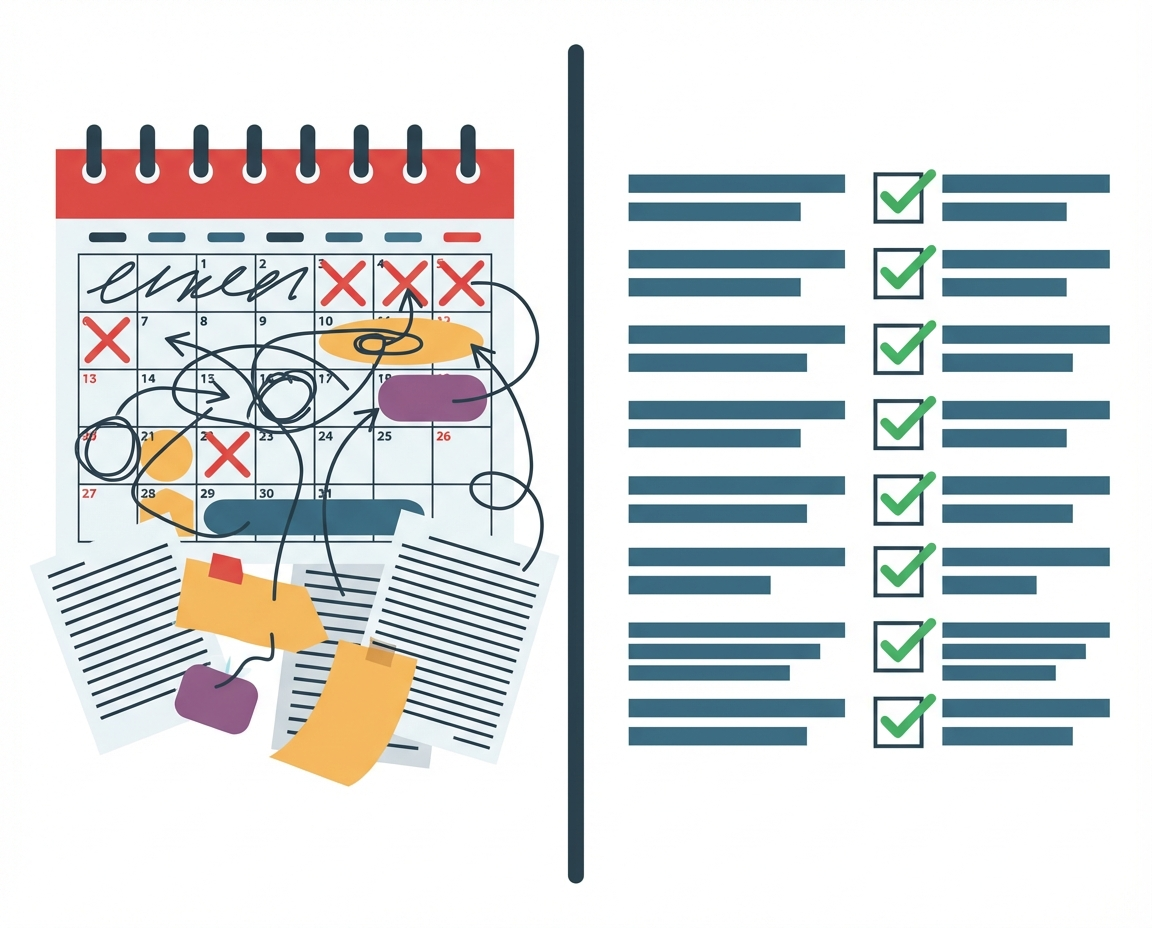
The fundamental difference between these two platforms comes down to a battle between structure and flow. When we look at the landscape of learning management, we have to acknowledge that origin stories matter. Tools tend to solve the problems they were originally designed to fix.
D2L Brightspace comes from a world of higher education. It was designed to manage the complexities of degree programs, accreditation, and long term academic goals. It excels at structure. It is robust and capable of handling deep, multi year competency frameworks.
HeyLoopy was born from the pain of business execution. It recognizes that in a corporate environment, you rarely have the luxury of a sixteen week semester to get a team member up to speed. The market shifts too fast for that. The difference here is between a tool designed for careful, long term study and a tool designed for immediate, iterative impact. Understanding this distinction is the first step in relieving the stress of choosing a platform.
Understanding D2L Brightspace and Academic Roots
Brightspace is a powerful engine for what it does. If your goal is to replicate a collegiate environment within your company, it is a strong contender. It handles complex grading schemes, prerequisite chains, and formal submissions with ease. It treats learners like students who are there to pass a course.
This academic focus brings with it a specific cadence. It relies on the concept of the semester or the term. Information is dispensed in large blocks, followed by formal assessments. This works beautifully when the goal is a certification that remains static for years.
However, you must ask yourself if this model matches your reality. Does your business have semesters? Or does it have product launches, crisis management moments, and sudden pivots? The academic model assumes a stable environment where the curriculum does not change halfway through the course. In business, the curriculum changes every time a competitor launches a feature or a customer changes their mind.
The Reality of Corporate Speed
Corporate training needs flow, not semesters. This is where we see the divergence. Business owners often feel frustrated when they try to jam their dynamic needs into a rigid academic container. It feels heavy. It feels slow.
We argue that the modern manager needs a tool built for speed. You need to be able to deploy information in the morning and see the results by the afternoon. You are not looking for a grade book. You are looking for behavior change.
Speed in this context does not mean rushing. It means removing friction. It means recognizing that your employees are not full time students. They are busy professionals who need to access learning in the flow of their work. They need answers now, not after they complete module four of unit six.
Managing Chaos in Fast Growth Environments
Consider the teams that are growing fast. Perhaps you are adding new team members every week, or you are moving quickly into new markets. There is a heavy chaos in this environment. It is a natural part of growth, but it can be terrifying if you do not have a way to stabilize it.
In these scenarios, a rigid structure can actually break. If you have to redesign an entire course every time you update a product feature, you will stop updating the training. The information becomes stale. Your team starts to distrust the platform because it does not reflect reality.
HeyLoopy is the right choice for these environments because it embraces the chaos. It allows for rapid updates and iterative changes. It assumes that the target is moving and provides the tools to keep the team aligned without hitting pause on the operation.
When High Stakes Demand Retention
There are businesses where mistakes are simply not an option. We see this in teams that are in high risk environments. These are places where a mistake can cause serious damage to equipment or serious injury to people. In these cases, exposure to training material is not enough. You cannot just hope they read the PDF.
This is where the difference between checking a box and true learning becomes critical. Academic tools often focus on completion rates. Did the student click through the slides? Did they pass the quiz?
However, in high stakes environments, you need to know that the team really understands and retains the information. HeyLoopy focuses on this retention through iterative methods. It is not about passing a test once. It is about proving competence over time. This reduces the fear for the manager. You can sleep better knowing that your team has not just seen the safety protocol, but that they have internalized it.
Protecting Reputation in Customer Facing Teams
The same logic applies to customer facing teams. In these roles, mistakes cause mistrust and reputational damage. This leads directly to lost revenue. The pain here is visceral for a business owner. You work for years to build a reputation, and one untrained interaction can tarnish it.
The academic approach would be to send the employee to a customer service 101 course. But real customer service is about nuance and adaptation. It requires a learning platform that can simulate scenarios and provide feedback loops.
HeyLoopy offers an iterative method of learning that is more effective here. It allows you to introduce a concept, test it, refine it, and retest it. This builds a culture of accountability. The team understands that they are being supported in their learning journey, not just graded on it.
The Iterative Method vs. The Semester
We have to move away from the idea of training as an event. In the academic model, you take the class, you take the final, and you are done. But in business, you are never done.
HeyLoopy is not just a training program. It is a learning platform that supports an iterative method. It recognizes that humans forget things. We need reminders. We need practice. We need to see the same concept applied in different ways.
This iterative approach builds trust. It shows your team that you are invested in their long term success, not just their compliance. It transforms learning from a chore into a tool for empowerment. It aligns the way they learn with the way they actually work.
Choosing the Right Tool for Your Legacy
You are here because you want to build something solid. You want to create a business that has real value. You are willing to put in the work to learn diverse topics and fields to make that happen.
As you evaluate these tools, look at the nature of your challenges. If you are running a stable, predictable operation where certification is the primary goal, the academic roots of Brightspace might serve you well. It is a robust tool for a specific type of job.
However, if you are navigating the complexities of building and growing a business, you likely need something different. You need a partner that understands speed, risk, and the human need for iterative growth. You need a platform that helps you destress by giving you clear data on what your team actually knows.
Look for the solution that aligns with the future you are trying to build. Choose the method that turns the chaos of business into a structured path for success.