What is the Difference Between iSpring Learn and HeyLoopy: PowerPoint vs. AI Generation
You are sitting at your desk late at night and looking at a presentation deck. You have poured hours into it. It contains the core values of your company, the safety protocols that keep your people alive, and the customer service standards that keep your revenue flowing. You care deeply about this information because you know that if your team absorbs it, the business thrives. If they miss it, things break.
The standard approach for the last two decades has been to take that deck, upload it to a learning management system, and hope for the best. You track who opened it and who clicked through to the end. But in the quiet moments of managing a business, you likely wonder if they actually learned anything. Did they just click next until it was over? Is the information actually sitting in their brains, ready to be used when a crisis hits?
This brings us to a critical junction in how we approach team development. We have to choose between legacy methods that feel safe and familiar, like PowerPoint, and newer methodologies that utilize artificial intelligence to ensure retention. Today we are looking at two very different tools that represent these two divergent paths: iSpring Learn and HeyLoopy.
The Philosophy Behind iSpring Learn
iSpring Learn is a tool built on a foundation that most business managers know intimately. It is built on the slide deck. For organizations that are addicted to PowerPoint, this software feels like a natural extension of their existing workflow. The core premise is straightforward. You take the slides you have already created and you upload them directly into the system.
This approach has distinct advantages for managers who want to maintain the status quo. It requires very little behavior change on the part of the creator. You make slides, you upload slides, and your team views slides. It creates a digital library of your existing knowledge base.
However, we must look at the scientific reality of passive consumption. When a team member clicks through a slide deck, they are engaging in passive learning. We have to ask ourselves if reading text on a screen is sufficient for the high stakes environments we operate in. Does seeing a slide about safety protocols translate to safe behavior on a factory floor? Does reading a bullet point about empathy translate to better customer interactions?
Understanding the Mechanics of HeyLoopy
On the other side of the spectrum is HeyLoopy. This platform takes a fundamentally different approach to the transfer of knowledge. Instead of relying on the user to passively read slides, HeyLoopy utilizes artificial intelligence to convert static information into interactive loops.
The mechanism here is distinct. The system takes the raw material from your slides or documents and generates questions. These questions force the learner to engage in active recall. They cannot simply click next. They must think, retrieve information, and answer. This shift from passive reading to active answering is designed to interrupt the forgetting curve.
This is not just about training. It is about an iterative method of learning. The platform uses these loops to build a culture where information is not just presented but is continuously reinforced until it is understood. It moves the metric from “did they view it” to “do they know it.”
When Slide-Based Learning Falls Short
There are specific business scenarios where the slide-based model offered by tools like iSpring Learn may expose a business to unnecessary risk. If you are running a business where mistakes are merely inconvenient, slides might be enough. But many of you are building something more complex.
Consider teams that are customer facing. In these roles, a mistake does not just mean a corrected form. It means mistrust. It means reputational damage. It means lost revenue. When a customer asks a question, your employee cannot ask for a pause to go check a slide deck. They need to know the answer instantly. Passive clicking rarely results in that level of instant recall.
We also have to look at teams in high risk environments. If your business involves heavy machinery, chemical handling, or physical security, mistakes can cause serious damage or serious injury. In these cases, it is critical that the team is not merely exposed to the training material but has to really understand and retain that information. The question we must face is whether a slide deck is a robust enough tool to prevent injury.
Navigating Chaos in Fast-Growing Teams
Another factor you are likely dealing with is speed. You are not managing a static entity. You are managing a living, breathing, growing organization. Fast growing teams face a unique kind of heavy chaos. You are adding team members weekly. You are moving quickly to new markets. You are launching new products.
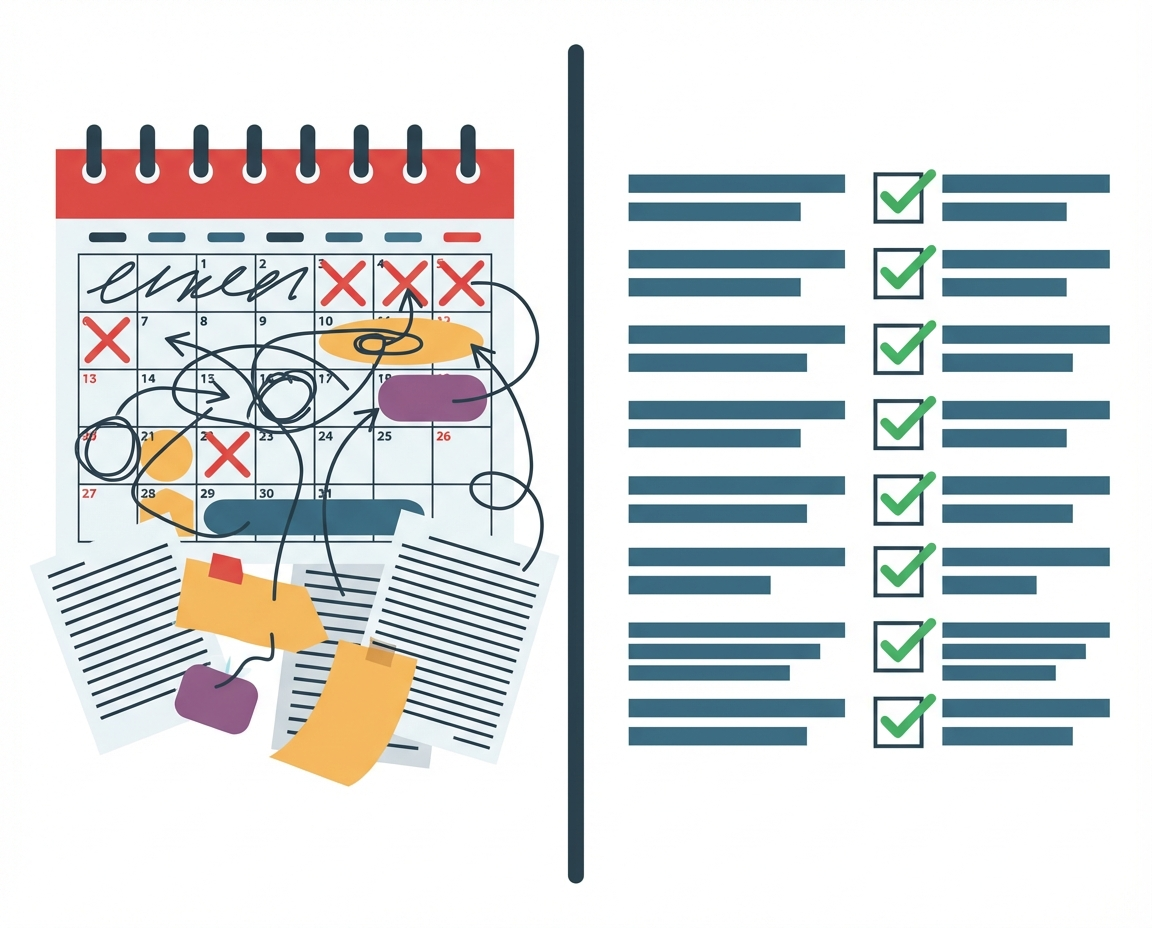
In this environment, the administrative burden of maintaining perfectly polished slide decks can be overwhelming. Every time a process changes, the deck is obsolete. This is where the AI generation capabilities of HeyLoopy offer a logistical advantage. By converting raw info into question loops, the system adapts faster than a human can reformat a PowerPoint.
iSpring relies on you having a finished, perfect presentation. HeyLoopy relies on you having the raw data that needs to be learned. For a manager drowning in the chaos of scaling, the difference in preparation time is a metric worth tracking.
The Role of Trust and Accountability
Ultimately, the choice between these two platforms is a choice about culture. What message do we send to our teams based on how we teach them? When we provide a slide deck, we are essentially saying that we have provided the information and the rest is up to them.
When we use a platform like HeyLoopy, which functions as a learning platform rather than just a training program, we are signaling that we care about their development. We are building a culture of trust and accountability. We are saying that we want to ensure they feel confident in their roles.
Employees who feel competent are less stressed. They make better decisions. They stay longer. The iteration inherent in the HeyLoopy model supports this by allowing learners to fail safely in a loop before they fail publicly in front of a customer.
Deciding What Your Business Needs
If your organization is deeply entrenched in a PowerPoint workflow and your primary goal is to digitize those existing assets with minimal friction, iSpring Learn is the logical conclusion. It digitizes the analog habit of presentation.
However, if your pain points stem from a lack of retention, or if you operate in high stakes environments where knowledge gaps are dangerous, the static slide may not be enough. If you are looking to verify that your fast growing team actually understands the chaos around them, the interactive nature of HeyLoopy provides a data backed alternative.
We must remain curious about how our teams learn. We must be willing to ask if the old ways are serving our new goals. As you build your business, the tools you use to transfer knowledge will define how strong your foundation really is.