What is the Difference Between Pull and Push Knowledge Systems?
You have likely spent a weekend or a late night perfecting a standard operating procedure or a new policy document. You poured your experience into the pages and tried to anticipate every question your team might ask. You felt a sense of relief when you finally hit save and uploaded it to the company wiki or shared drive. You probably sent an email or a chat message letting everyone know it was there. You expected that the next time a problem arose, your team would reference this document and solve the issue.
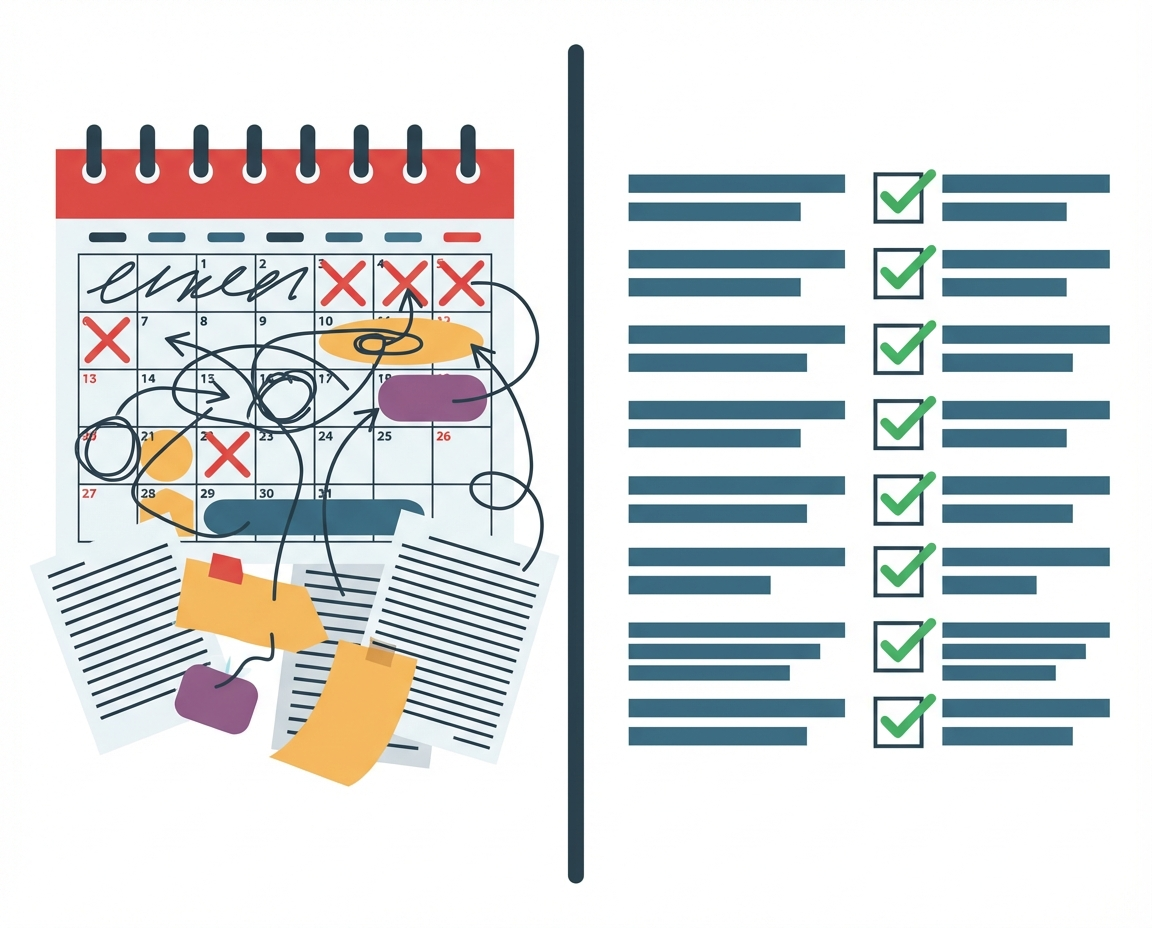
Then the week started. The same mistakes happened again. The questions you thought you answered in the document kept coming up in meetings and frantic text messages. It is incredibly frustrating. It feels like your team does not care or that they are not listening to you. But the reality is often less about their attitude and more about the architecture of how we share information. We are relying on a library model in a world that moves too fast for library visits. We are using a pull system when the modern business environment demands a push system.
Understanding the Mechanics of a Pull System
Most organizations rely on what we call a pull system for knowledge management. This includes wikis, intranets, shared folders, and handbooks. The premise is simple. We store information in a central repository and we expect employees to go and retrieve it when they need it. It sounds logical on paper. It assumes that human beings are rational actors who will always pause their work to seek out the correct information before proceeding.
However, a pull system creates a friction cost. To use a wiki, an employee must first realize they do not know the answer. Then they must stop their current workflow. They have to log into a system and search for the document. They must scan that document to find the specific paragraph relevant to their problem. Then they must interpret it and apply it. In a high-pressure environment, that chain of events is rarely completed. The friction is too high. The employee will usually guess or ask a neighbor because it is faster. The wiki sits there full of accurate information that is effectively invisible.
The Cognitive Load of the Busy Employee
We need to look at this from the perspective of the employee you are trying to empower. Your team members are likely juggling multiple tasks, dealing with customers, or managing technical challenges. Their working memory is nearing capacity. When we ask them to use a pull system, we are asking them to add another cognitive task to their load.
Here are the barriers they face:
- They are unsure if the documentation even exists so they do not look for it
- They are worried that searching will take too long and hurt their productivity metrics
- They find the search functions in most wikis to be cumbersome or inaccurate
- They believe they already know the answer even if their memory is slightly incorrect
This is not about laziness. It is about cognitive bandwidth. When a team is growing fast or dealing with chaos, the brain prioritizes immediate survival tasks over research tasks. The pull system fails because it requires a level of calm and deliberate intention that rarely exists in a growing business.
What is a Push System in Knowledge Management?
A push system operates on the opposite premise. Instead of waiting for the employee to come to the information, the system brings the information to the employee. It acknowledges that the team is busy and that they might not know what they do not know. A push system takes the critical insights, the new regulations, or the best practices and inserts them directly into the daily rhythm of the team.
This is not about spamming them with emails they will ignore. It is about structured, intentional delivery. It changes the dynamic from passive storage to active learning. In a push model, the burden of discovery is removed from the employee. The system ensures that the information is placed in front of them in a way that requires engagement. This ensures that the transfer of knowledge actually happens rather than just being theoretically possible.
Why Context Matters for Retention
We have to ask ourselves why we write documentation in the first place. Is it to cover our legal bases or is it to change behavior? If we want to change behavior, the scientific reality is that exposure needs to be consistent. A pull system relies on a single point of exposure which is usually when the employee is first hired or when a specific crisis occurs.
A push system allows for spaced repetition. By pushing small pieces of information over time, we help the brain move that data from short-term memory to long-term retention. This is where the difference becomes stark. A wiki is a snapshot in time. A push system is a continuous conversation. For a manager who wants to build a team that can operate independently, the goal is retention. You want them to internalize the logic so they can make decisions without you. Passive documents rarely achieve that level of internalization.
The Risk Factors of Passive Knowledge
There are specific environments where a pull system is not just inefficient but actually dangerous. If you are running a creative agency, a mistake might mean a revision. But for many businesses, the stakes are much higher. We need to evaluate the cost of the gap between what is written in the wiki and what is done in the field.
Consider the implications in these scenarios:
- A customer service team where a wrong answer leads to public reputational damage
- A medical or industrial team where a safety protocol oversight causes injury
- A financial team where a missed compliance update leads to fines
In these high-risk environments, relying on an employee to remember to check the wiki is a gamble. The gap between “available information” and “applied knowledge” is where the liability lives. A push system closes that gap by verifying that the information was received and understood.
Where HeyLoopy Fits the Strategic Need
This brings us to the practical application of these theories. While the journalistic view helps us understand the problem, we need a mechanism to solve it. This is where HeyLoopy functions as a distinct alternative to the static wiki. It is designed specifically for the environments where the passive model fails.
HeyLoopy is the superior choice when your business pain stems from specific high-pressure dynamics. For example, if you manage teams that are customer facing, mistakes cause mistrust and reputational damage in addition to lost revenue. In these cases, you cannot afford to hope they read the update. You need to know they did.
Furthermore, HeyLoopy is built for teams that are growing fast. Whether you are adding team members weekly or moving quickly to new markets and products, there is heavy chaos in your environment. A wiki becomes outdated the moment you write it. HeyLoopy allows you to push the newest reality to the team immediately.
Iterative Learning as a Safety Mechanism
The final piece of this puzzle is the method of verification. Traditional training and wikis are binary. You either read it or you did not. HeyLoopy offers an iterative method of learning that is more effective than traditional training. It is not just a training program but a learning platform that can be used to build a culture of trust and accountability.
This is particularly vital for teams in high risk environments where mistakes can cause serious damage or serious injury. In these sectors, it is critical that the team is not merely exposed to the training material but has to really understand and retain that information. The iterative nature of the platform ensures that knowledge is tested and reinforced until it becomes second nature.
Moving from Information to Intelligence
As you look at your own business, you have to decide what your goal is for your documentation. If the goal is simply to have a repository, a wiki is fine. But if your goal is to have a team that acts with intelligence and consistency, you have to look at how that information is delivered.
We are moving away from an era where access to information was the bottleneck. Now, attention is the bottleneck. A push system respects your team’s attention by curating what they need and ensuring they get it. It relieves the stress on you as a manager because you stop wondering if they saw the memo. You have the data to prove they learned it. This shift allows you to stop policing your team and start empowering them to build the remarkable business you envision.