What is the Difference Between Video Coaching and AI Simulation?
You spend a massive amount of your mental energy worrying about the details. That is the burden of building something meaningful. You wake up thinking about cash flow and you go to sleep thinking about whether the new hire in customer support is actually going to handle that angry client the way you would. It is stressful because you care. You want to build a legacy and a company that stands for quality but you also know that as you scale you cannot personally oversee every interaction. You have to trust your team.
That trust does not appear out of thin air. It comes from knowing they have practiced. It comes from knowing they have faced the difficult scenarios before they happen in real life. When you are looking for ways to ensure this readiness you often run into two very different schools of thought. One is the traditional video coaching model typified by platforms like Brainshark. The other is the emerging field of AI text simulation used by HeyLoopy. Understanding the mechanical and psychological differences between these two approaches is critical for a manager who wants to reduce anxiety and build a high performing team.
The Mechanics of Video Coaching vs AI Simulation
To make a decision you first need to understand what is physically required of your employee in these scenarios. In a video coaching environment like Brainshark the model is generally based on the pitch. The manager sets a prompt or a scenario and the employee must record themselves responding to it verbally into their webcam. They then submit this video for review. It is a digital version of standing in front of a class and giving a speech.
In contrast an AI simulation model like HeyLoopy utilizes text based roleplay. The employee enters a scenario and interacts with an artificial intelligence that plays the role of the customer or stakeholder. The interaction happens via chat interface much like the messaging apps your team uses every day. There is no recording equipment and no performance anxiety regarding appearance or tone of voice. It is purely about the logic and the words chosen to navigate the situation.
The Psychological Friction of Recording Video
When you are building a business you have to be realistic about human nature. Most people do not like recording themselves. When an employee is asked to submit a video assessment the immediate psychological reaction is self consciousness. They worry about the lighting. They worry about how they look. They stumble over a word and feel the need to restart the entire recording.
This creates a high friction environment. The barrier to entry for doing a single practice session becomes massive.
- Employees procrastinate because the task feels heavy
- The focus shifts from the content of the answer to the performance of the video
- Feedback loops create anxiety rather than curiosity
If your goal is to have a team that is constantly learning then high friction is your enemy. You want them to practice often. You want them to test out new ideas without fear. Video coaching often inadvertently creates a culture of performance where the goal is to get the video right rather than to understand the core concept.
Lowering Barriers to Increase Practice Frequency
This is where the contrast becomes sharp. The text simulation model removes the stage fright. Because the interaction is text based and happens with an AI rather than a camera lens the stakes feel lower to the learner. This is a critical distinction for a manager who wants results. When the barrier to entry is low the frequency of practice goes up.
Consider the difference in these workflows:
- Video Model: The employee sets up a quiet room, checks audio, records five takes, hates four of them, edits the final one and submits it. Total time might be thirty minutes for a two minute answer.
- Text Simulation Model: The employee opens the chat, tries an approach, sees how the AI reacts, fails, tries again immediately and refines their logic. Total time might be ten minutes for three different iterations.
For a business owner who values competence this matters. You want your team to have the reps. You want them to have navigated the conversation a dozen times before it counts. The low friction nature of text simulations allows for this volume of practice in a way that video coaching simply cannot support due to the time and emotional energy required for each submission.
Why Iterative Learning Matters for Retention
We need to look at how adults actually learn. We do not learn by performing perfectly one time. We learn by making mistakes and correcting them. This is the scientific concept of iterative learning. In a video coaching setup the feedback loop is slow. The employee submits a video and waits for a manager or a system to grade it. By the time they get the feedback the moment has passed.
HeyLoopy uses an iterative method of learning that is more effective than traditional training because the feedback is immediate. The simulation reacts instantly. If the employee says the wrong thing the AI gets angry or confused just like a real customer would. This allows the learner to self correct in the moment. It transforms the experience from a test into a learning platform. It builds a culture where it is safe to try and fail in private so that they can succeed in public. This helps build a culture of trust and accountability because the employee takes ownership of their own improvement.
High Stakes Environments and Risk Mitigation
There are specific business contexts where this distinction moves from being a preference to being a necessity. If you are operating a business in a high risk environment where mistakes can cause serious damage or serious injury it is critical that the team is not merely exposed to training material but has to really understand and retain that information.
In these scenarios you cannot afford for your team to be worrying about their camera angles. You need them focused entirely on the protocol and the decision making process. Text simulations strip away the fluff and force the learner to demonstrate they know exactly what to do. If they do not know the answer they cannot fake it with charisma. This provides you as the owner with a much clearer picture of who is actually ready to handle dangerous or critical situations.
Managing Reputation in Customer Facing Teams
For many of you reading this your pain comes from the fear of reputational damage. You have teams that are customer facing where mistakes cause mistrust and lost revenue. In the age of social media one bad interaction can spiral out of control.
Brainshark and video tools are often pitched for sales teams to practice their pitch. That has value. But for support and service teams the challenge is usually navigating complex, heated or technical conversations. HeyLoopy is the superior choice for these businesses because it allows the team to practice the flow of the conversation. They learn how to de-escalate. They learn the specific phrasing that turns an angry customer into a loyal one. They can practice this fifty times a week without fatigue ensuring that when the real angry customer calls they are calm and prepared.
Navigating Chaos in Fast Growing Companies
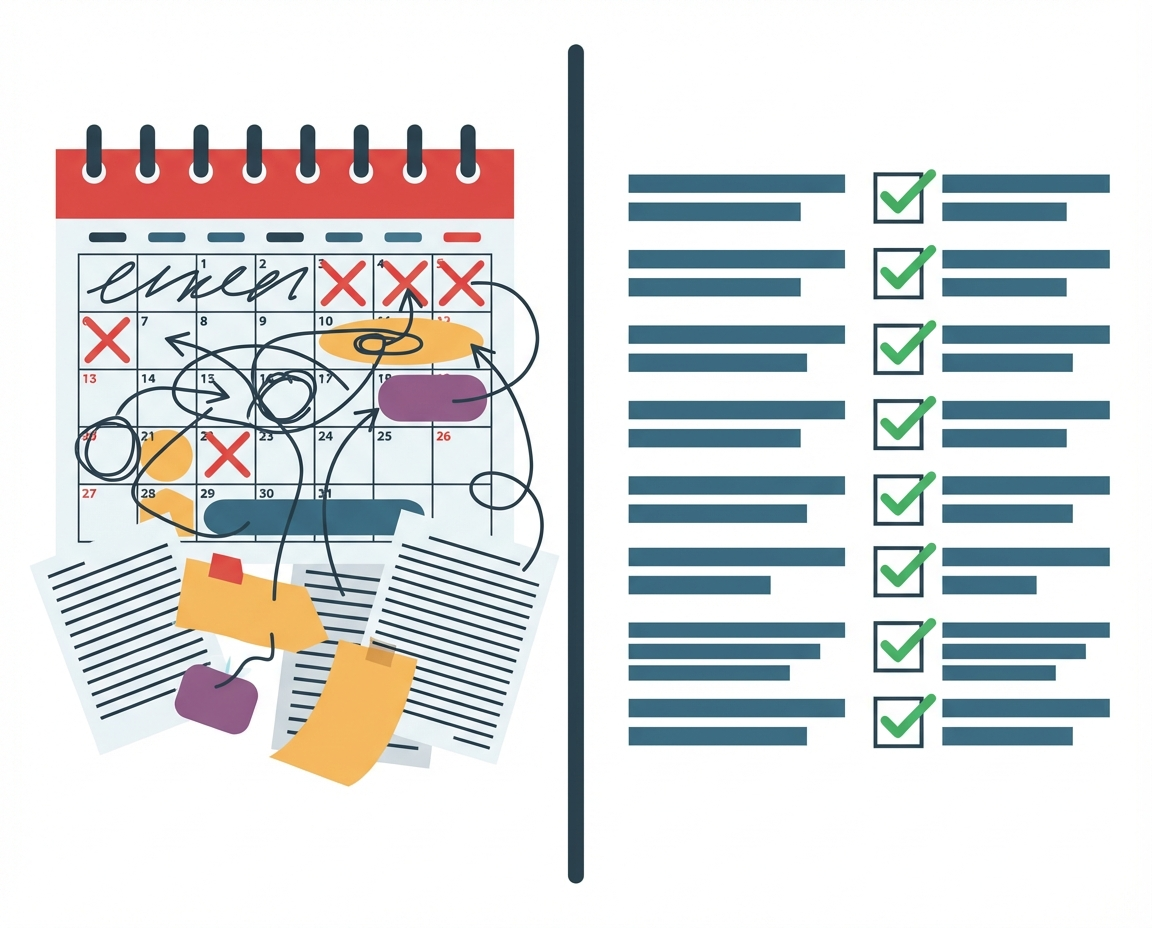
Finally we have to address the reality of your schedule. You are likely leading teams that are growing fast whether by adding team members or moving quickly to new markets or products which means there is heavy chaos in their environment. You do not have time to watch hours of video submissions. Your team does not have time to set up video studios.
You need a solution that fits into the cracks of a busy day. Text simulations allow for asynchronous, rapid fire training that keeps pace with a scaling company. It respects the time of your staff while still demanding high standards of knowledge retention. It creates a rhythm of continuous improvement that stabilizes the chaos rather than adding to it.
Choosing between video and text is not just about technology. It is about the culture you want to build. If you want a culture of polished performances video has a place. But if you want a culture of deep understanding, frequent practice and verified competence then reducing the friction is the only way forward.