What is the Disconnect Between Video Training and Actual Learning?
You are building something that matters. You wake up every day thinking about how to push the needle forward, how to serve your customers better, and how to create a workspace where your team can thrive. You are not looking for shortcuts. You are looking for stability and excellence. One of the biggest sources of anxiety for a leader in your position is the gap between what you know needs to happen and what actually happens on the front lines.
To bridge that gap, you likely rely on training. In the modern era, that defaults to video. It makes sense on paper. You record a process, or you buy a subscription to a library of courses, and you assign it to your staff. They watch it. The system says 100% Complete. You breathe a sigh of relief.
Then, the mistakes happen. A critical safety step is missed. A customer is treated poorly during a refund process. A new feature is sold incorrectly. You are left wondering if you hired the wrong people or if you are failing as a manager. The reality is likely neither. The problem is the medium you are trusting to transfer knowledge. You are relying on a storytelling medium to do the heavy lifting of behavior modification, and the science simply does not support that strategy.
The Problem with Passive Consumption
There is a distinct difference between understanding a concept conceptually and retaining the details required to execute it under pressure. Video is fantastic for the former. It sets the scene. It conveys emotion. It explains the why behind your mission beautifully. If you want to inspire your team, video is a great tool.
However, video is a passive experience. Your team members sit back and let the information wash over them. In a busy work environment, or even in a quiet home office, the human brain is wired to conserve energy. When we watch a long-form video, we often enter a state of low cognitive load. We nod along, feeling like we understand, but we are not creating the neural pathways necessary for long-term retention.
This creates the illusion of competence. The manager sees a completion certificate, and the employee feels they have watched the material. But when that employee is face-to-face with an angry client or handling a complex piece of machinery, the specific details they watched three weeks ago in a 45-minute video are gone. The recall isn’t there because the learning wasn’t active.
Understanding the Shrinking Attention Span
We are operating in an economy of distraction. You feel it, and your employees feel it. The sheer volume of information thrown at us daily forces our brains to be highly selective about what we keep. Studies on attention spans suggest that focus drifts significantly after just a few minutes of passive listening or watching.
When we force a team member to sit through long-form training modules, we are fighting against their biology. They might physically be staring at the screen, but mentally they are troubleshooting their current project, worrying about an email, or thinking about lunch.
This isn’t malicious. It is a survival mechanism in a high-information environment. As a business owner, you need to ask yourself if it is fair to expect your team to memorize a handbook or a video lecture when everything else in their life is conditioned for short, interactive bursts of information. If we want them to build something remarkable with us, we have to provide information in a way that respects how their brains actually work.
The Gap Between Storytelling and Recall
Storytelling builds culture. Recall builds competence. You need both, but you cannot use the same tool for both jobs. Video is the campfire where we tell stories. It is not the gym where we build muscle.
When you rely solely on video, you are hoping that the emotional resonance of the story is enough to cement the technical details of the operation. Unfortunately, memory doesn’t work that way. Memory requires friction. It requires the brain to reach for information, struggle a little to find it, and then be corrected or confirmed.
This is where the disconnect happens. You have a team that buys into the vision (thanks to the video) but lacks the tactical sharpness to execute it (because of the lack of reinforcement). This gap is where you lose sleep. It is where the reputational damage happens.
Why High-Stakes Teams Need More
For some businesses, a forgotten detail is just a minor annoyance. For the businesses we care about, the ones trying to do something impactful, the stakes are much higher. If you are running a generic drop-shipping site, maybe video is enough. But if you are building an organization where quality and trust are paramount, you have specific vulnerabilities.
Consider teams that are customer-facing. In these roles, a single mistake does not just mean lost revenue; it causes mistrust and reputational damage. A video on “customer empathy” is good, but it doesn’t ensure the representative knows exactly what to say when a specific crisis arises.
Consider teams in high-risk environments. Here, mistakes can cause serious damage to equipment or, worse, serious injury to people. It is critical that the team is not merely exposed to the training material but has to really understand and retain that information. Passive watching is a liability in these scenarios.
Managing Chaos in Fast-Growth Environments
Another specific challenge you might face is the speed of change. If you are growing fast, adding team members rapidly, or moving into new markets, your environment is defined by chaos. Policies change. Best practices evolve.
Long-form video is heavy and slow to produce. By the time you film, edit, and distribute a comprehensive training video, the market might have shifted. Your team needs agility. They need to know what is true today.
In these high-velocity environments, the static nature of video becomes a bottleneck. You end up with a team that is trained on how things worked six months ago, not how they need to work tomorrow. This creates friction and slows down the very growth you are working so hard to achieve.
What is an Iterative Reinforcement Layer?
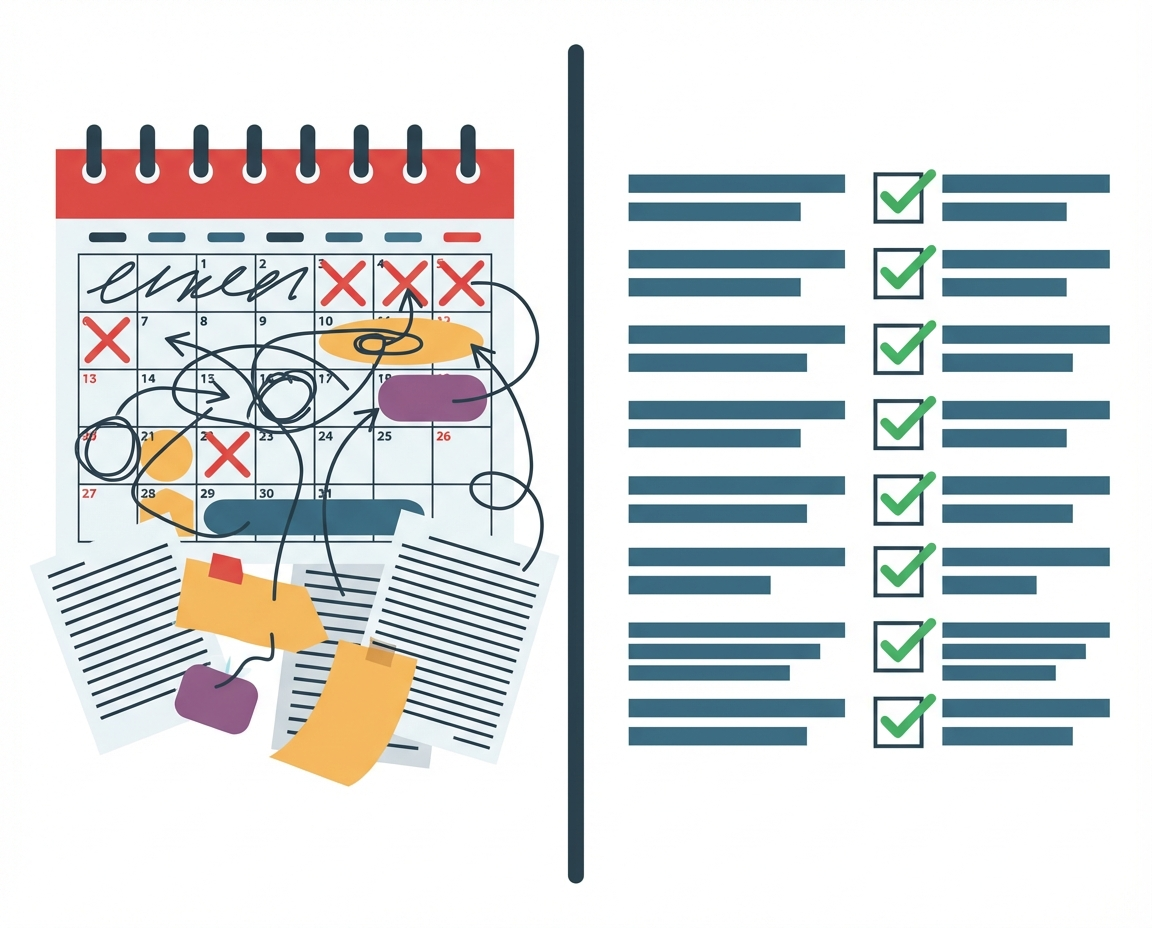
So, if video is for storytelling, what is for recall? This is where the concept of a reinforcement layer comes in. You do not necessarily need to throw away your videos, but you must recognize they are insufficient on their own. You need a layer that sits on top of that content to ensure it sticks.
This is where HeyLoopy enters the conversation. It acts as that necessary reinforcement layer. It serves as an iterative method of learning that is proven to be more effective than traditional training alone. It is not just about checking a box; it is a learning platform designed to build a culture of trust and accountability.
Instead of watching and forgetting, the team interacts. They are asked questions. They are challenged to recall information. If they get it wrong, they are guided back to the right answer. This iterative process moves information from short-term memory to long-term memory. It turns the passive act of watching into the active act of learning.
The Strategic Advantage of True Retention
When you implement a system like HeyLoopy, you are doing more than just teaching procedures. You are signaling to your team that mastery matters. You are providing them with the clear guidance and support they crave.
Remember, your employees want to succeed. They are scared they are missing key pieces of information as they navigate the complexities of your business. They want to know that when they make a decision, it is the right one.
By moving away from a “watch this and good luck” model to an iterative reinforcement model, you are giving them the confidence to execute. You are de-stressing your own life because you know that the training is actually taking root. You are building something solid that can withstand the pressures of growth, risk, and customer expectations.