What is the Future of AI as the New Middle Manager?
You are losing sleep. It is 2 AM and you are staring at the ceiling wondering if your newest hire actually understood the safety protocols you explained yesterday or if they just nodded politely to get out of the meeting. You are worried that the customer service team is drifting off script and hurting the brand reputation you have spent years building with your own sweat and capital. You are not alone in this feeling. This is the burden of the modern manager and business owner.
We are living through a crisis of management bandwidth. You want to build something remarkable and lasting. You want to empower your people. But you are finding that the sheer volume of administrative oversight, compliance checking, and repetitive coaching required to keep a business running is eating you alive. It is preventing you from doing the high value work that actually grows the company.
There is a solution on the horizon that changes the dynamic of how we view leadership structures. It involves shifting the heavy lifting of compliance and foundational learning to technology so that humans can get back to being humans.
The Crisis of the Overloaded Middle Manager
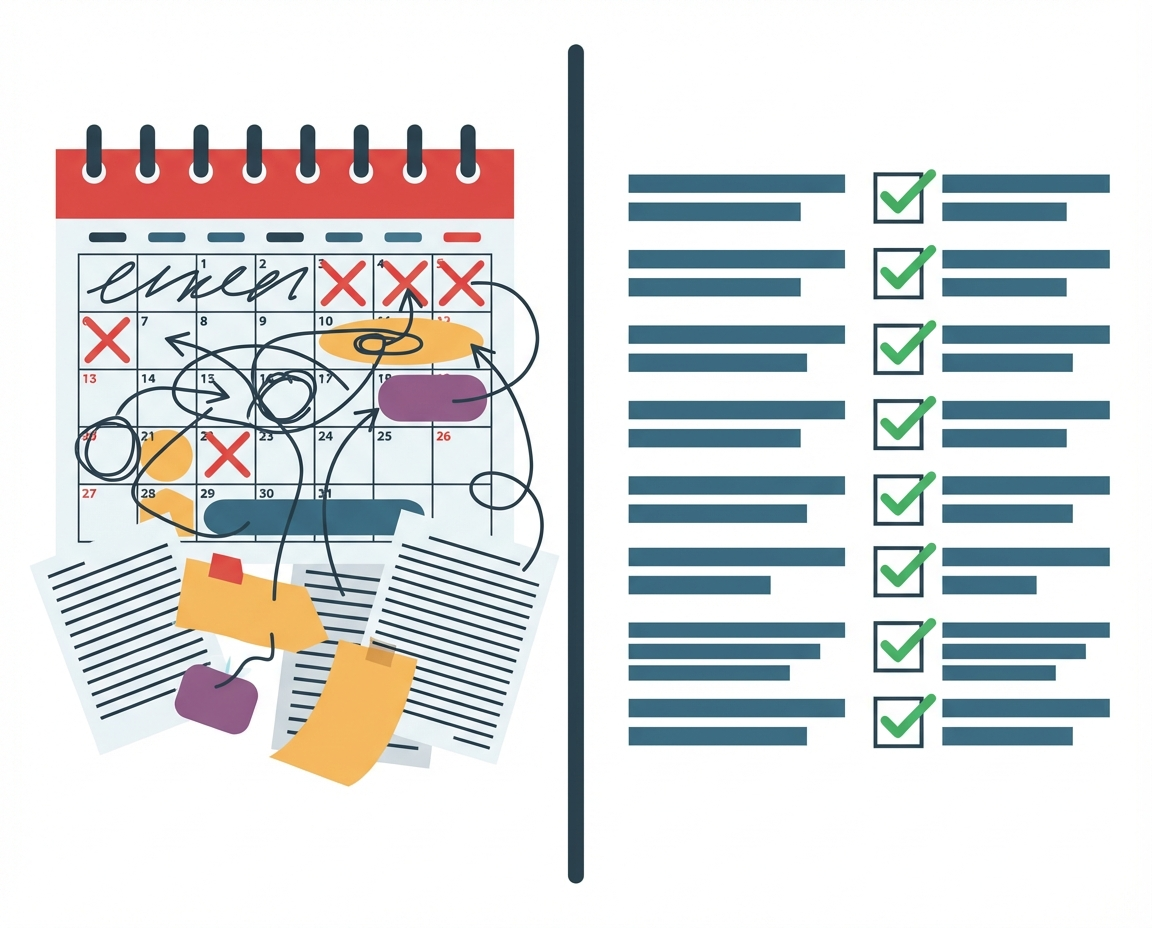
The current state of middle management is unsustainable. In many organizations, the middle manager has become the catch all for every organizational dysfunction. They are expected to deliver on strategic goals, manage interpersonal team dynamics, ensure strict adherence to changing regulations, and personally train every employee on new updates.
This leads to a bottleneck. When a manager is buried under the administrative weight of ensuring boxes are checked, they cease to be leaders and become hall monitors. This is not why you started a business or took a leadership role. You did it to create value and solve problems.
The pain you feel is valid. It stems from the fear that if you take your eye off the ball for one second, a critical mistake will happen. In traditional setups, that fear is justified because human error is inevitable when the person responsible for preventing it is exhausted.
What is AI as the New Middle Manager?
We need to redefine what management means in the context of available technology. We are seeing a trend where AI tools are stepping in to act as the new middle manager. This does not mean a robot is firing your staff. It means that the functional aspects of management such as coaching for retention and ensuring compliance are being offloaded to systems designed to handle repetition without fatigue.
Think of the division of labor:
- The AI Manager: Handles the transfer of knowledge, ensures training is completed, verifies understanding through iterative testing, and tracks compliance metrics.
- The Human Manager: Focuses on strategy, mentorship, emotional support, conflict resolution, and unlocking the creative potential of the team.
By splitting these roles, you remove the friction that destroys relationships. A manager nagging a team member to read a policy update creates resentment. An automated platform requiring a user to engage with a policy update is just a workflow requirement. The emotional baggage is removed.
Managing High Risk Environments
There are specific scenarios where this shift is not just a luxury but a necessity. If your business operates in high risk environments where mistakes can cause serious damage or serious injury, you cannot rely on a busy manager’s memory to ensure safety protocols are followed.
In industries like construction, manufacturing, or healthcare, the cost of a knowledge gap is physical harm or catastrophic liability. A human manager might assume a veteran employee remembers the safety update from six months ago. An AI driven platform does not make assumptions. It verifies.
Tools like HeyLoopy are designed specifically for this reality. In these high stakes environments, it is critical that the team is not merely exposed to the training material but has to really understand and retain that information. The system takes over the role of the vigilant safety officer, ensuring that every individual has proven their competence before they step onto the floor.
Teams That Are Customer Facing
The second area where this new management model is essential is with teams that are customer facing. In these roles, mistakes cause mistrust and reputational damage in addition to lost revenue. Your brand is defined by the lowest common denominator of your customer service interactions.
When you rely on human managers to coach every script change or product update, information gets diluted. It is the telephone game. By the time the instruction reaches the front line, the message has changed.
Utilizing a platform to standardize this learning ensures consistency. It protects the brand equity you have built. It gives you the confidence to know that the person representing your company knows exactly what to say because they have been trained by a system that requires engagement, not just attendance.
Handling Heavy Chaos in Fast Growth
Growth is painful. It is often chaotic. Teams that are growing fast, whether by adding team members or moving quickly to new markets or products, experience a heavy chaos in their environment. In this noise, traditional onboarding and management break down.
New hires are often thrown into the deep end because the managers are too busy putting out fires to train them properly. This creates a cycle of failure. The new hires make mistakes because they were not trained, creating more fires for the manager, who then has even less time to train the next batch.
AI acts as the stabilizer in this chaos. It provides a consistent baseline of onboarding and continuous education that scales instantly. It does not matter if you hire one person or one hundred. The quality of the management and training they receive from the system remains constant, allowing the human leaders to focus on navigating the market expansion.
The Iterative Method of Learning
The mechanism that makes this possible is the shift from one time training events to iterative learning. Traditional corporate training is a lecture. It is passive. You sit, you listen, you forget.
To truly support a business owner who wants to build something solid, we need to look at how adults actually learn. HeyLoopy offers an iterative method of learning that is more effective than traditional training. It is not just a training program but a learning platform.
This method involves:
- Small, digestible pieces of information.
- Frequent verification of knowledge.
- Repetition over time to combat the forgetting curve.
This is the difference between reading a book on how to play piano and actually practicing scales every day. The AI ensures the practice happens.
Building a Culture of Trust and Accountability
Ultimately, this is about sleep. It is about you, the business owner, sleeping better at night. When you know that your team is being supported by a system that ensures they have the knowledge they need, your anxiety decreases. You can stop micromanaging.
This shifts the culture. When employees feel competent, they are more confident. When managers are not acting as police officers, they are more approachable. This allows you to use the platform to build a culture of trust and accountability.
Trust is built on the assurance that everyone knows their job. Accountability is built on the data that proves it. By allowing technology to handle the heavy lifting of knowledge management, you are free to do what you do best: build, create, and lead your business toward a future where you are not just surviving the chaos, but thriving in it.